I Debt To You In Minnesota
Description
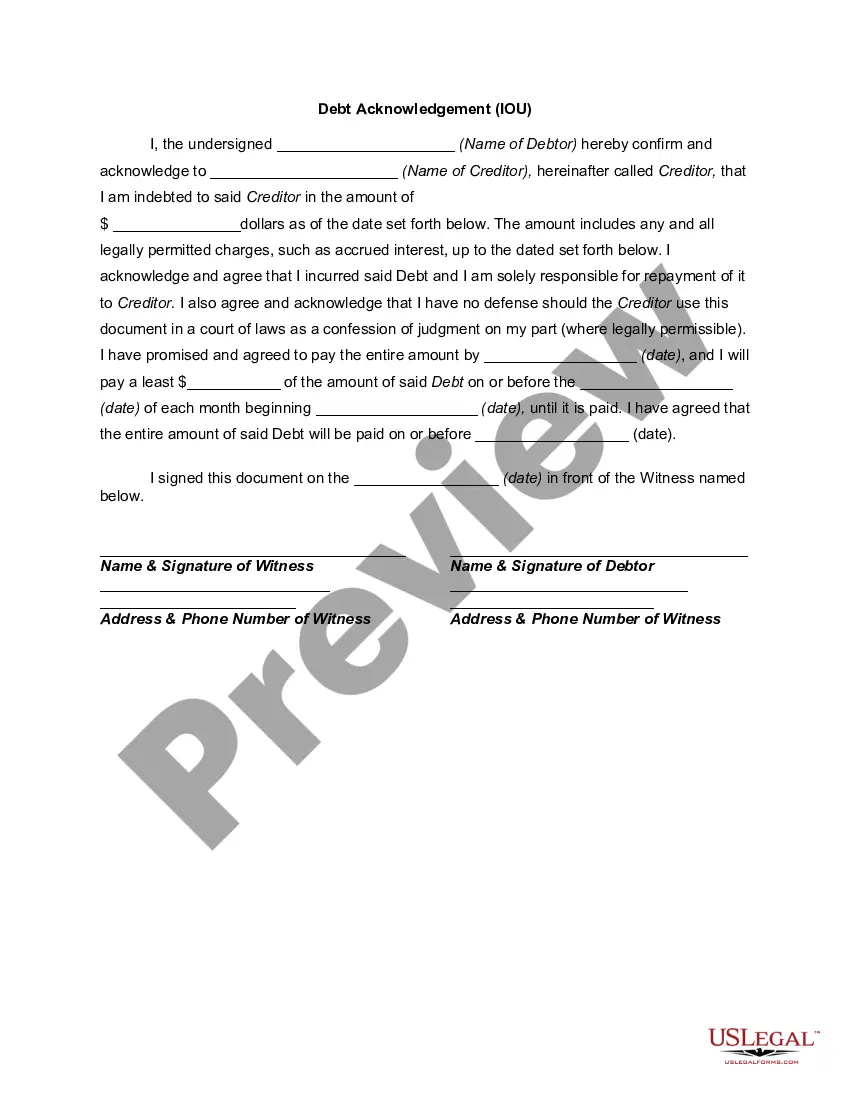
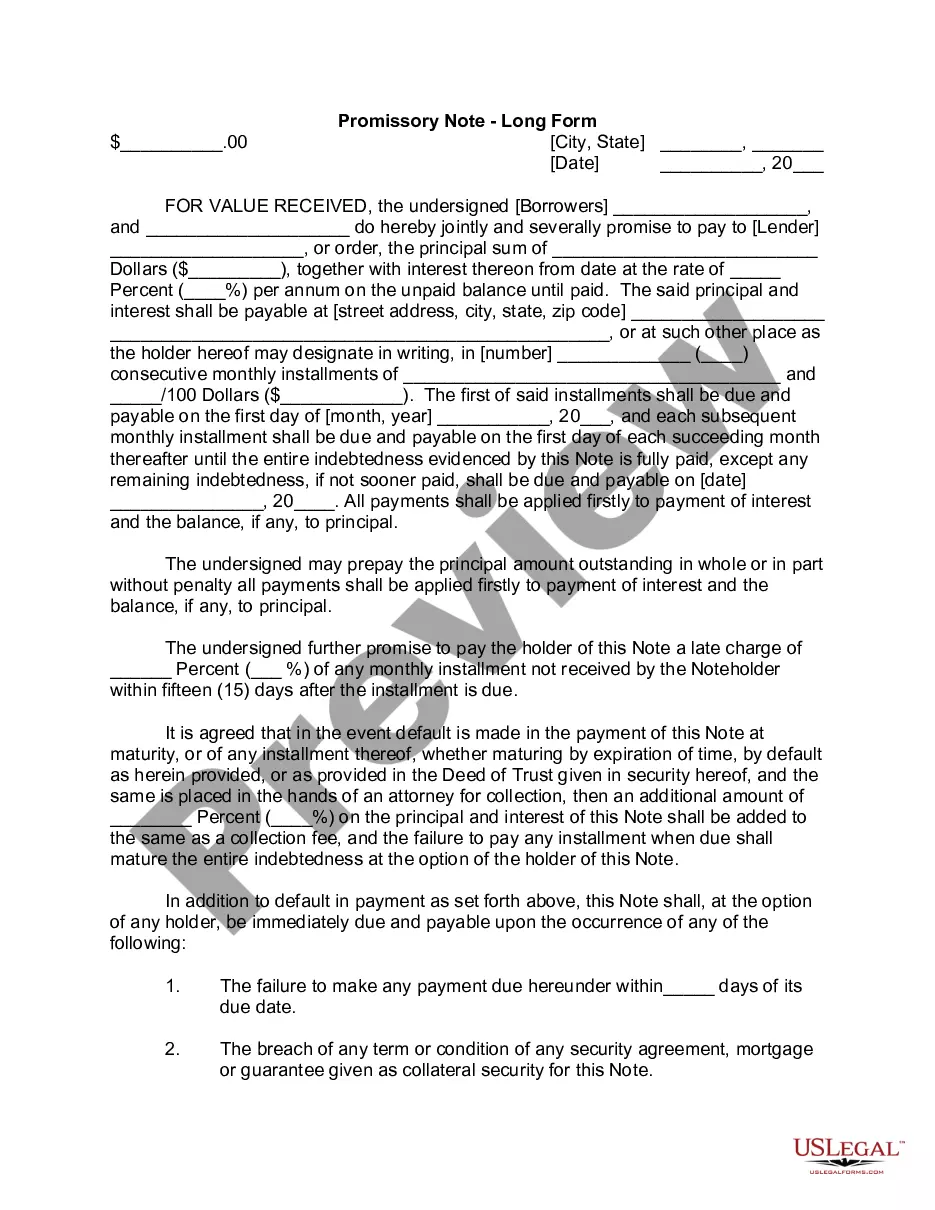
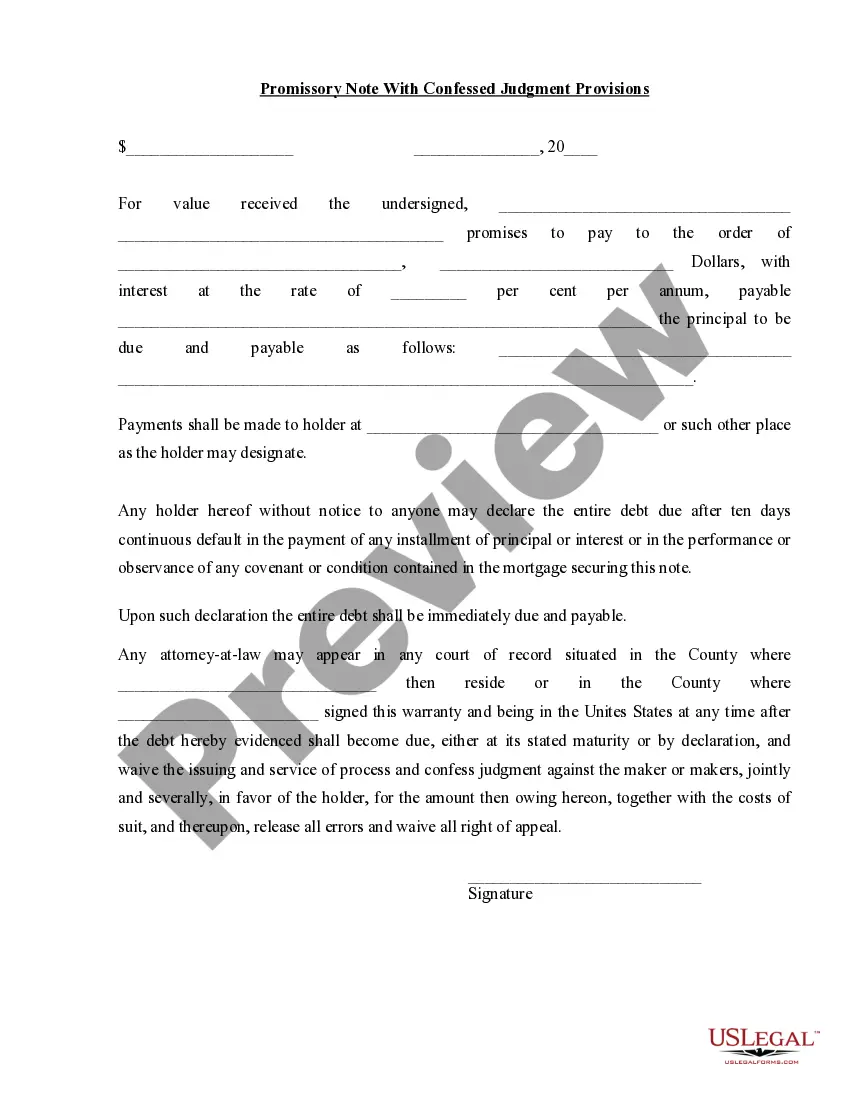
Get your form ready online
Our built-in tools help you complete, sign, share, and store your documents in one place.
Make edits, fill in missing information, and update formatting in US Legal Forms—just like you would in MS Word.
Download a copy, print it, send it by email, or mail it via USPS—whatever works best for your next step.
Sign and collect signatures with our SignNow integration. Send to multiple recipients, set reminders, and more. Go Premium to unlock E-Sign.
If this form requires notarization, complete it online through a secure video call—no need to meet a notary in person or wait for an appointment.
We protect your documents and personal data by following strict security and privacy standards.

Make edits, fill in missing information, and update formatting in US Legal Forms—just like you would in MS Word.

Download a copy, print it, send it by email, or mail it via USPS—whatever works best for your next step.

Sign and collect signatures with our SignNow integration. Send to multiple recipients, set reminders, and more. Go Premium to unlock E-Sign.

If this form requires notarization, complete it online through a secure video call—no need to meet a notary in person or wait for an appointment.

We protect your documents and personal data by following strict security and privacy standards.
Looking for another form?









Form popularity
FAQ
Most states or jurisdictions have statutes of limitations between three and six years for debts, but some may be longer. This may also vary depending, for instance, on the: Type of debt. State where you live.
In most states, the statute of limitations for collecting on credit card debt is between three and 10 years, but a few states allow for longer periods, extending up to 15 years.
(a) A spouse is not liable to a creditor for any debts of the other spouse. Where husband and wife are living together, they shall be jointly and severally liable for necessary medical services that have been furnished to either spouse, including any claims arising under section 246.53, 256B.
In Minnesota, a mechanics lien must generally be filed with the county recorder. However, if the lien is claimed against registered land, it must be recorded with the Registrar of Titles (in some counties, the Registrar and Recorder are the same person).
No, you aren't legally responsible for your partner's debt unless you guarantee it or if it is a joint credit card account. Debt entirely in the name of your spouse, you are not responsible for.
Can Your Debt Be Sent To Collections Without Notice? Yes, your debt can be sent to collections without notice. Creditors aren't legally required to inform you before they send your account to a debt collection agency.
Debts either spouse incurred during marriage Property acquired during marriage is liable for the debts of either spouse. So, a creditor whose claim arose during the marriage can collect your spouse's unpaid credit card debt from both halves of the community property, including your wages.
Yes. They can also pursue a law suit and once they have a judgment, the creditor can begin garnishment and/or collection remedies. Some creditors are very aggressive and have been known to pursue wage garnishment simultaneously against both parties.
What to Include in a Debt Verification Letter Details about the original creditor. The original loan agreement that proves your obligation to repay. Documentation showing the age of the debt and the original delinquency date. A comprehensive itemization including dates for added fees and interest.

