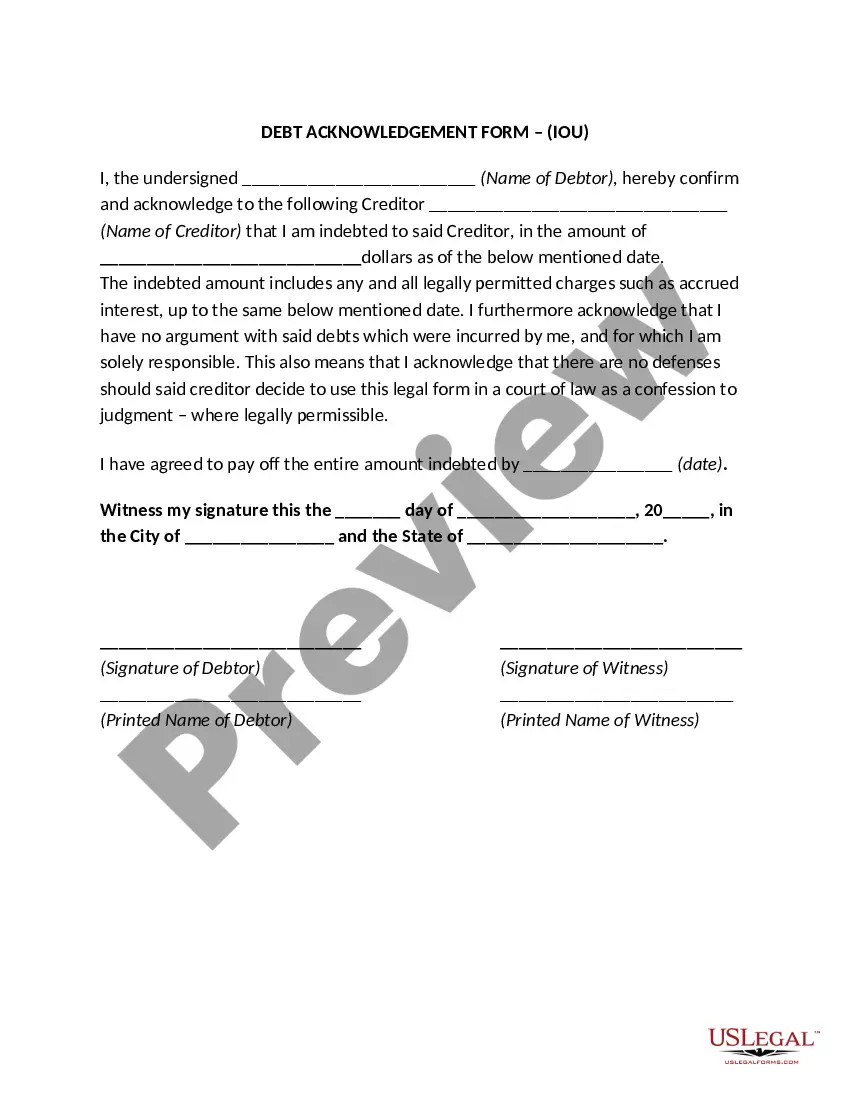
You And I With Lyrics In Franklin
Description
Get your form ready online
Our built-in tools help you complete, sign, share, and store your documents in one place.
Make edits, fill in missing information, and update formatting in US Legal Forms—just like you would in MS Word.
Download a copy, print it, send it by email, or mail it via USPS—whatever works best for your next step.
Sign and collect signatures with our SignNow integration. Send to multiple recipients, set reminders, and more. Go Premium to unlock E-Sign.
If this form requires notarization, complete it online through a secure video call—no need to meet a notary in person or wait for an appointment.
We protect your documents and personal data by following strict security and privacy standards.

Make edits, fill in missing information, and update formatting in US Legal Forms—just like you would in MS Word.

Download a copy, print it, send it by email, or mail it via USPS—whatever works best for your next step.

Sign and collect signatures with our SignNow integration. Send to multiple recipients, set reminders, and more. Go Premium to unlock E-Sign.

If this form requires notarization, complete it online through a secure video call—no need to meet a notary in person or wait for an appointment.

We protect your documents and personal data by following strict security and privacy standards.
Looking for another form?










Form popularity
FAQ
Although Goffin's lyrics could be interpreted as describing a woman being validated by a man, the song has come to be seen as a celebration of womanhood and as an anthem for female empowerment.
The story has it: Aretha's producer saw Carole King and Gerry Goffin while driving and yelled to them, “Hey, Aretha needs a new song…and it's called Natural Woman.” In a single night of creative magic, King and Goffin crafted this timeless anthem, capturing the essence of female empowerment and confidence.
Carole King and Gerry Goffin wrote “(You Make Me Feel Like a) Natural Woman” for Aretha Franklin in 1967. In 2015, Franklin gave King a gift back, by singing “Natural Woman” for her when she was being celebrated at the Kennedy Center Honors.
The lyrics were written by Gerry Goffin from an idea by Atlantic producer Jerry Wexler, and the music was composed by Carole King.
For others, it may simply mean being true to themselves and not conforming to rigid societal expectations. Ultimately, being a natural woman is about personal authenticity and self-acceptance.
"You Don't Own Me" is a pop song written by Philadelphia songwriters John Madara and David White and recorded by Lesley Gore in 1963, when she was 17 years old.
The 1962 song was written by Atlantic Records co-founder Ahmet Ertegun and Betty Nelson, the wife of Ben E. King. The original rendition was released by King on his 1962 LP Don't Play That Song!, but the most memorable rendition arrived in 1970 when Aretha Franklin covered it on her album Spirit in the Dark.
Identifying a Song Use Shazam or Music ID if the song is playing nearby. Record the song and upload it to Audiotag. Hum the song's melody into the Soundhound app. Play the song on Musipedia's virtual keyboard. Type any lyrics you remember into Google. Search the context of the song, such as the TV show you heard it in.
Her most famous songs include “Respect” (1967), “I Say a Little Prayer” (1968), “Chain of Fools” (1967), and “Until You Come Back to Me (That's What I'm Gonna Do)” (1973).
King. The original rendition was released by King on his 1962 LP Don't Play That Song!, but the most memorable rendition arrived in 1970 when Aretha Franklin covered it on her album Spirit in the Dark. It's also been recorded by Mariah Carey, Sam Moore, Keith Locke, and the Quests.