Entertainment Contract Form With Two Points In Orange
Description

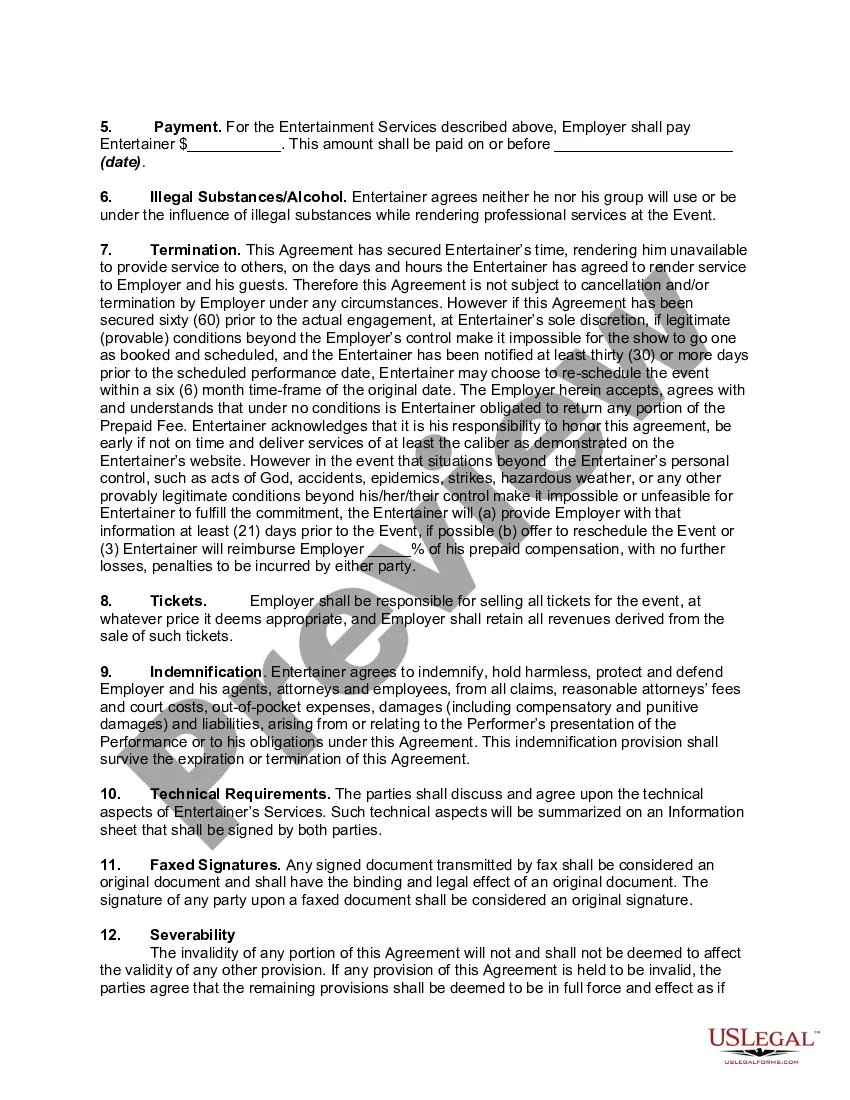
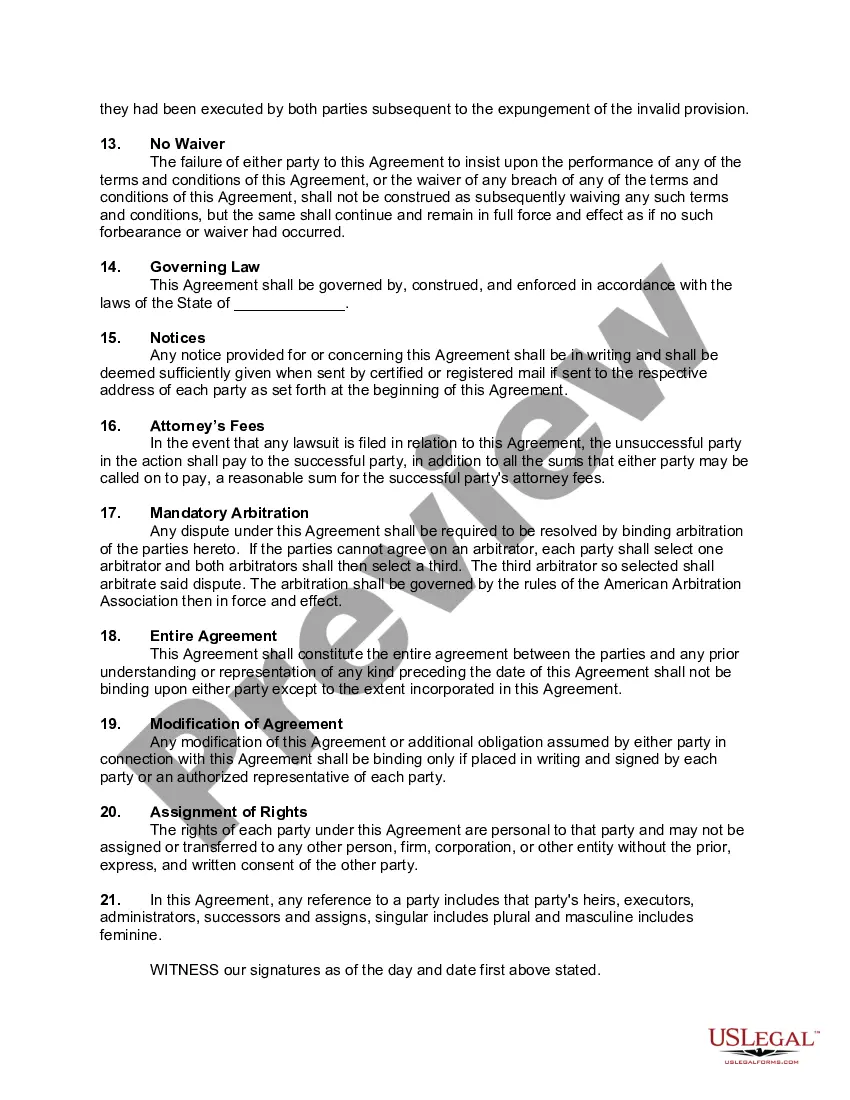

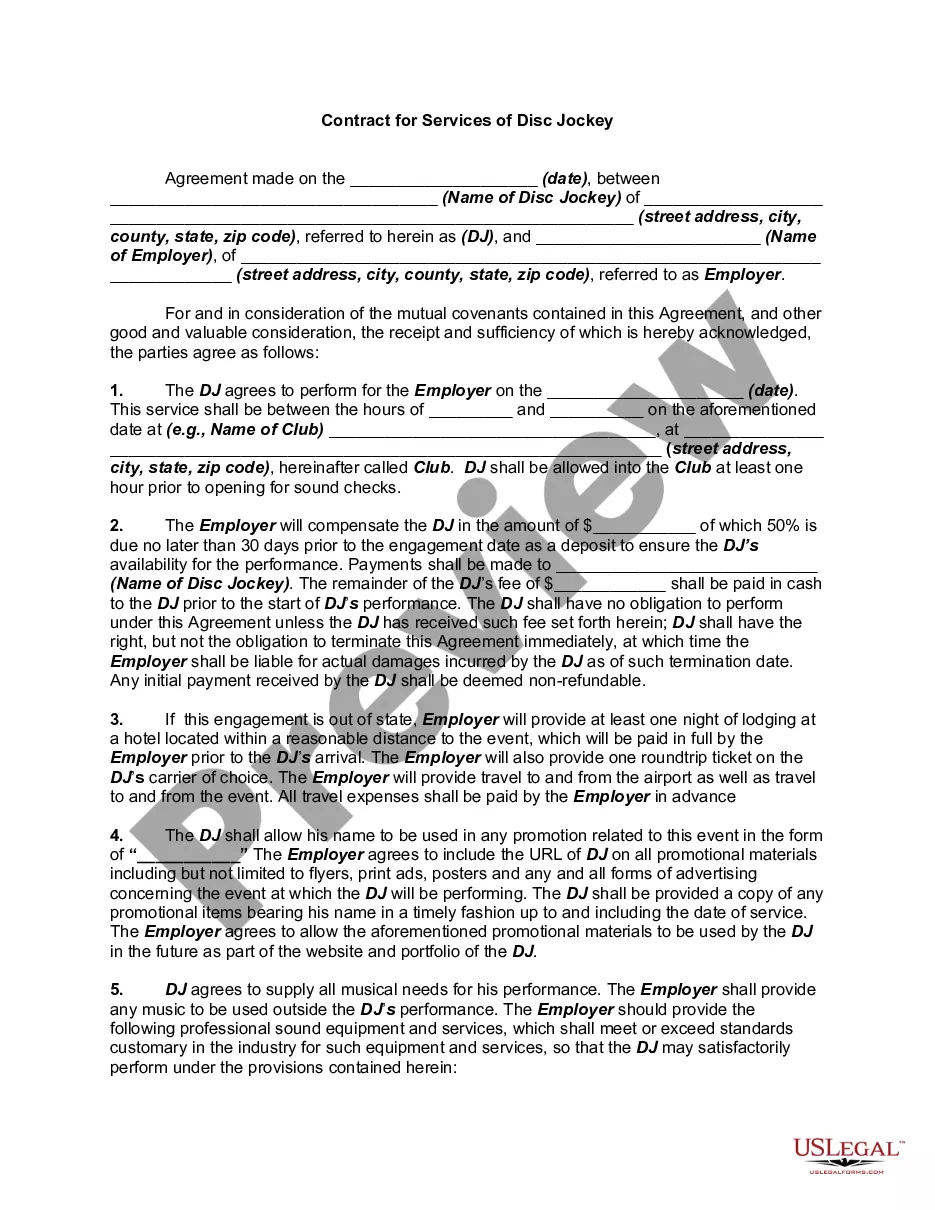
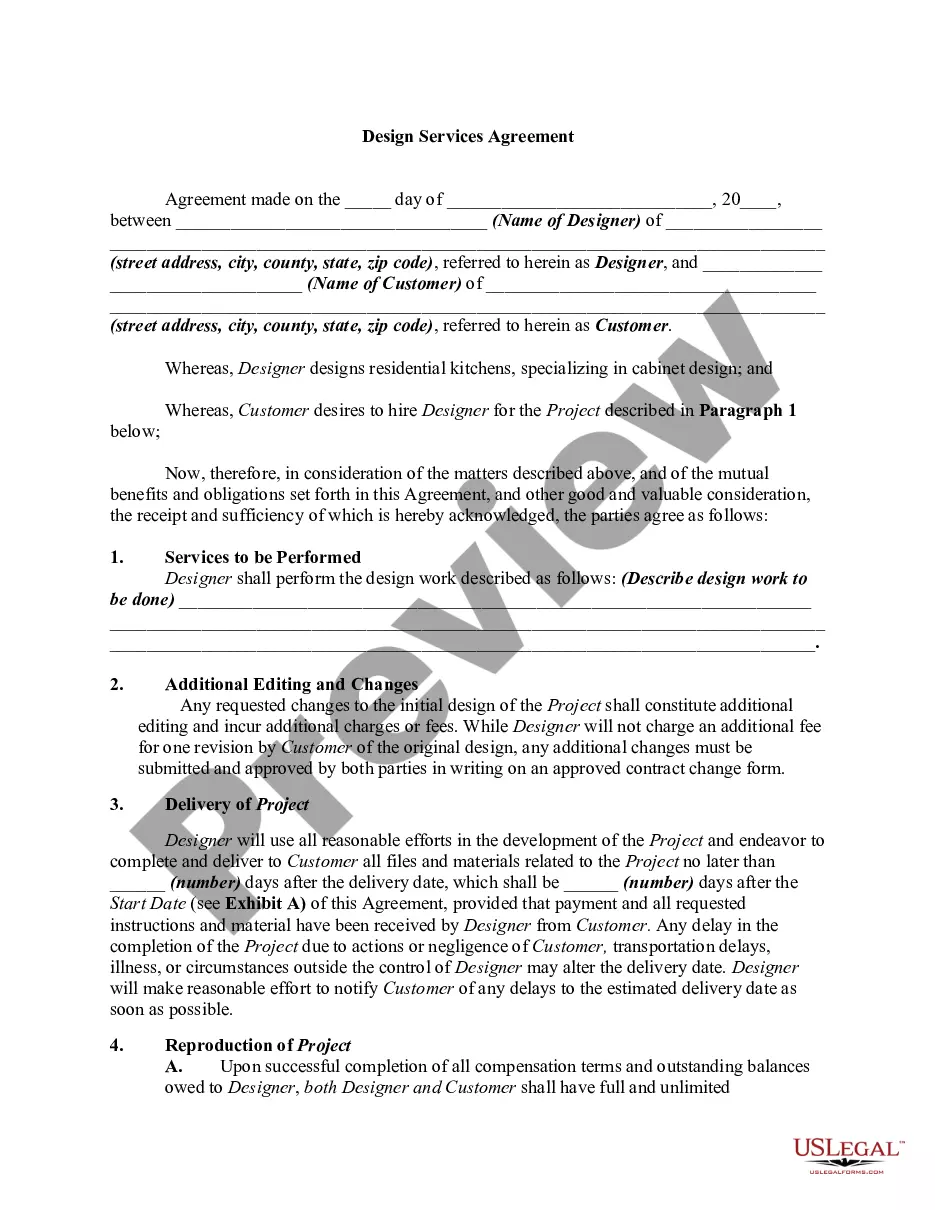

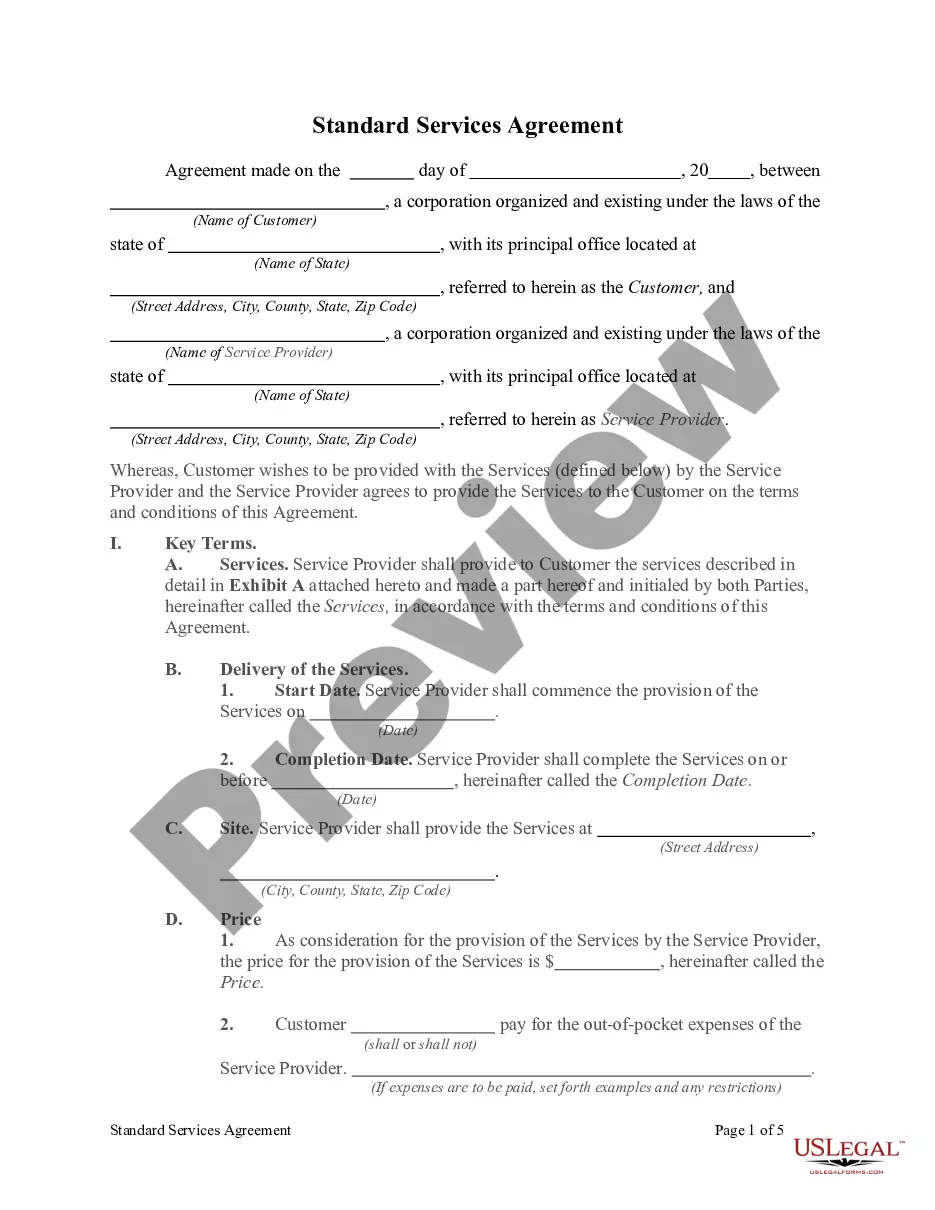
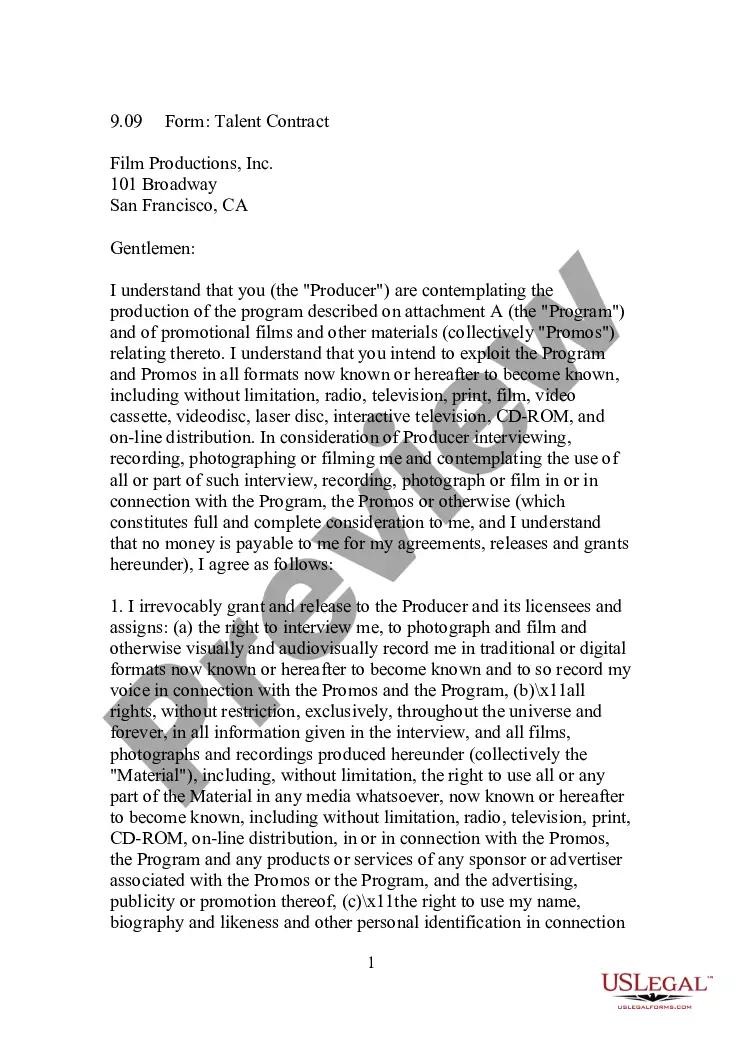
Get your form ready online
Our built-in tools help you complete, sign, share, and store your documents in one place.
Make edits, fill in missing information, and update formatting in US Legal Forms—just like you would in MS Word.
Download a copy, print it, send it by email, or mail it via USPS—whatever works best for your next step.
Sign and collect signatures with our SignNow integration. Send to multiple recipients, set reminders, and more. Go Premium to unlock E-Sign.
If this form requires notarization, complete it online through a secure video call—no need to meet a notary in person or wait for an appointment.
We protect your documents and personal data by following strict security and privacy standards.

Make edits, fill in missing information, and update formatting in US Legal Forms—just like you would in MS Word.

Download a copy, print it, send it by email, or mail it via USPS—whatever works best for your next step.

Sign and collect signatures with our SignNow integration. Send to multiple recipients, set reminders, and more. Go Premium to unlock E-Sign.

If this form requires notarization, complete it online through a secure video call—no need to meet a notary in person or wait for an appointment.

We protect your documents and personal data by following strict security and privacy standards.
Looking for another form?







Form popularity
FAQ
To refer to a contract party in the agreement, either use the functional reference (e.g. Seller, Licensee, Service Provider, Lender) or the short name of the party (e.g. Weagree, Shell, Philips, Sony). It is appropriate to refer to your own party by its short name and to the other by a functional reference.
On face value, there are two main parties, the promisor, who makes a promise, and the promisee, who receives the benefits of a contract. Both parties also hold an obligation to the contract. Sometimes, a third-party beneficiary benefits from a contract.
For individuals, insert their name into the preamble (the opening paragraph of the contract). It's best to use their formal legal name (ie, Christopher rather than Chris), although that isn't necessarily required in most situations.
A written contract that requires both parties' signature is called a “bilateral” contract, while one that requires only one party's signature is a “unilateral” contract.
How do you list parties in a contract? Whether a party is an individual or business entity, they should be listed in the same area. The very top of your contract, often called the 'preamble,' is where the names and details of all relevant parties should be listed.
How to write a contract agreement in 7 steps. Determine the type of contract required. Confirm the necessary parties. Choose someone to draft the contract. Write the contract with the proper formatting. Review the written contract with a lawyer. Send the contract agreement for review or revisions.
Key elements of an entertainment contract Parties involved. Clearly identify all parties involved in the contract. Scope of work. Detail the specific services or performances expected. Compensation. Duration of contract. Intellectual property rights. Confidentiality. Termination clauses. Indemnity and liability.
Write the contract in six steps Start with a contract template. Open with the basic information. Describe in detail what you have agreed to. Include a description of how the contract will be ended. Write into the contract which laws apply and how disputes will be resolved. Include space for signatures.
Types of Contracts – Based on Validity Valid Contracts. The Valid Contract as discussed in the topic on “Essentials of a Contract” is an agreement that is legally binding and enforceable. Void Contract Or Agreement. Voidable Contract. Illegal Contract. Unenforceable Contracts.
