Entertainment Contract Document For Construction In Franklin
Description

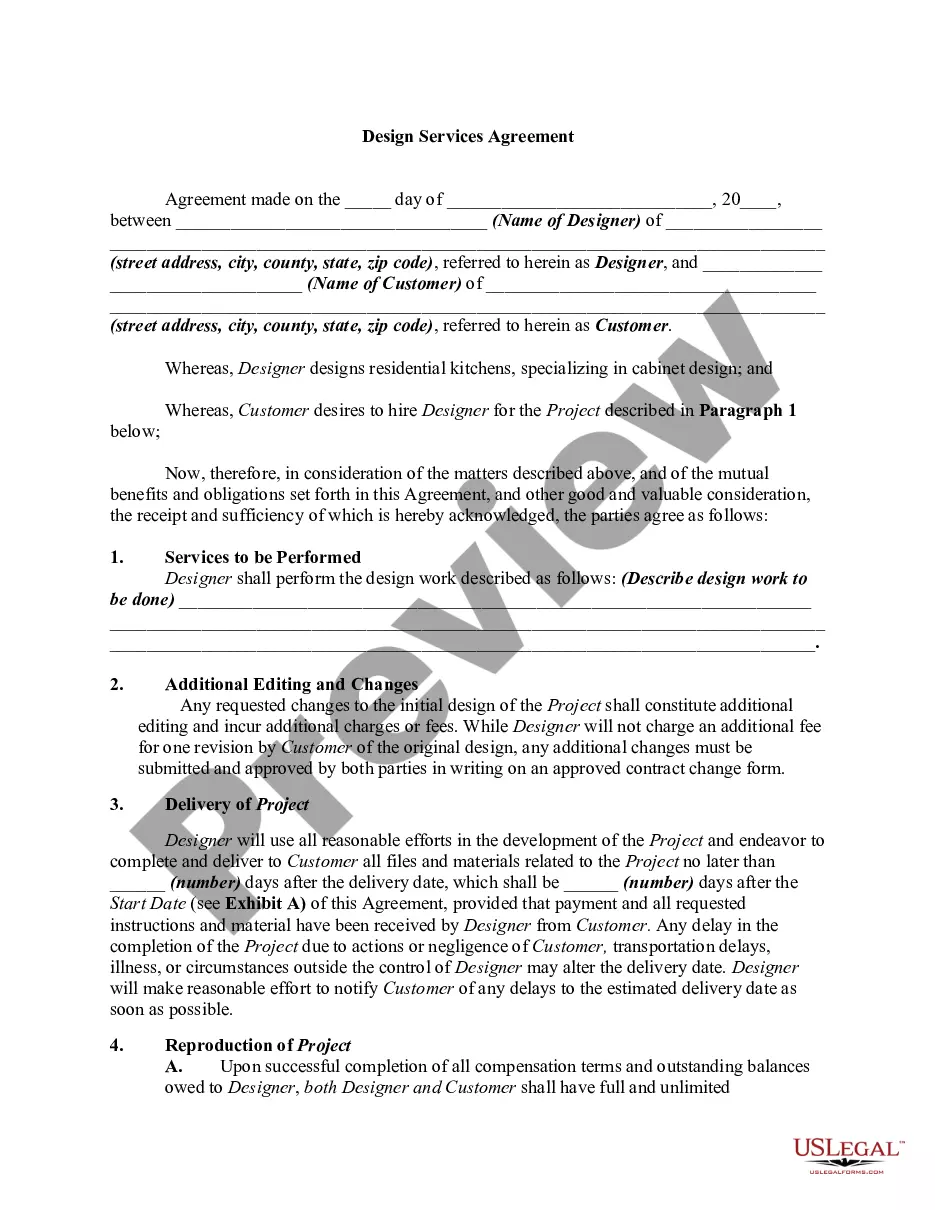
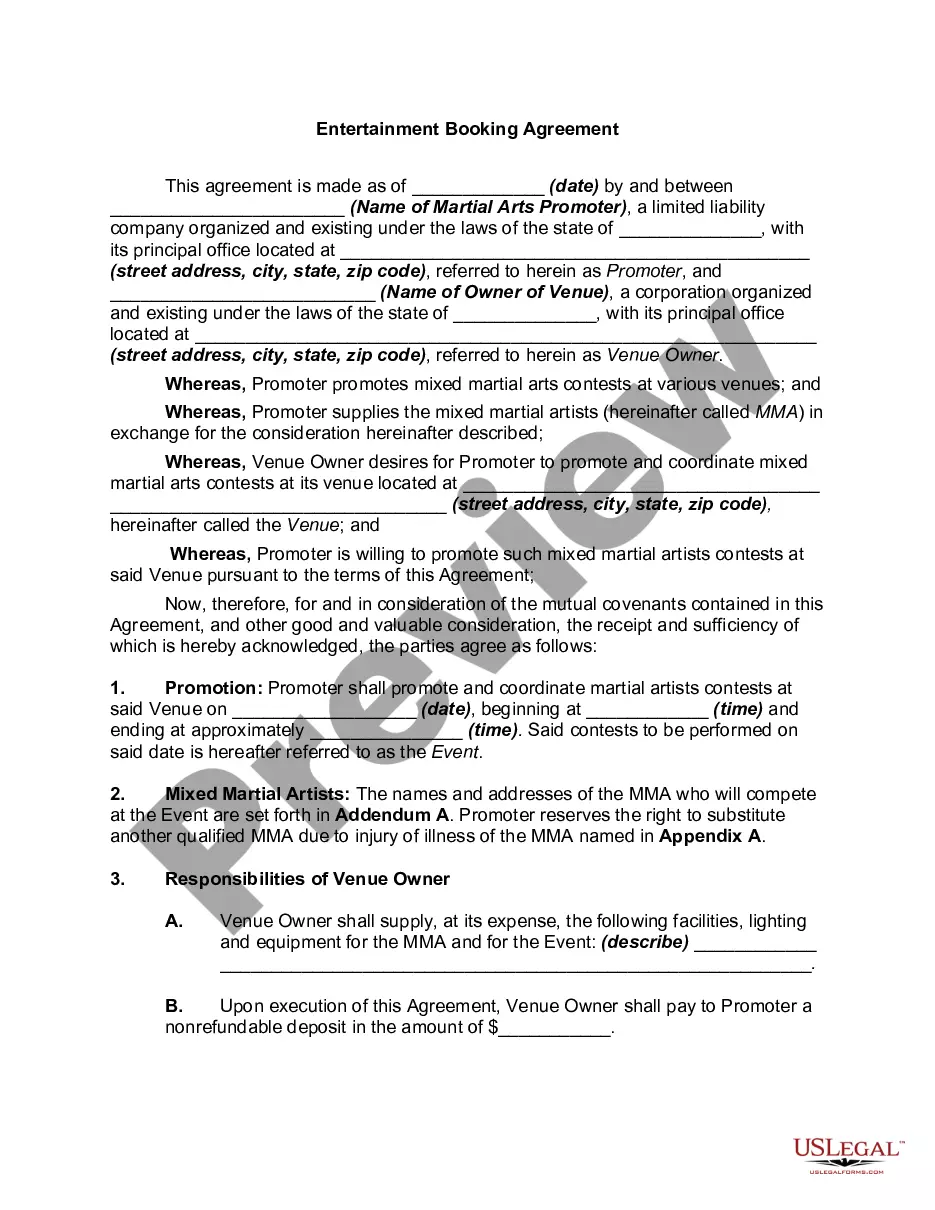
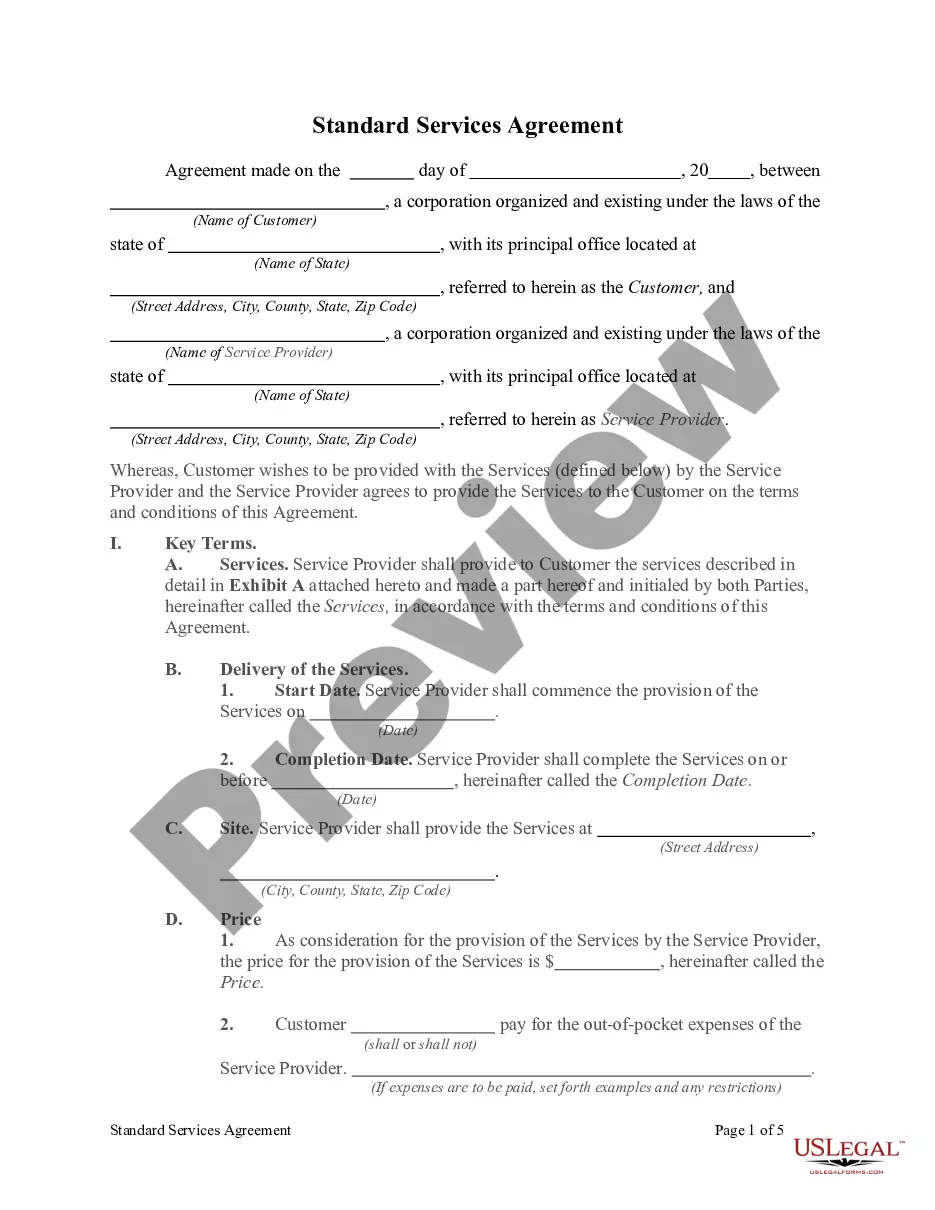
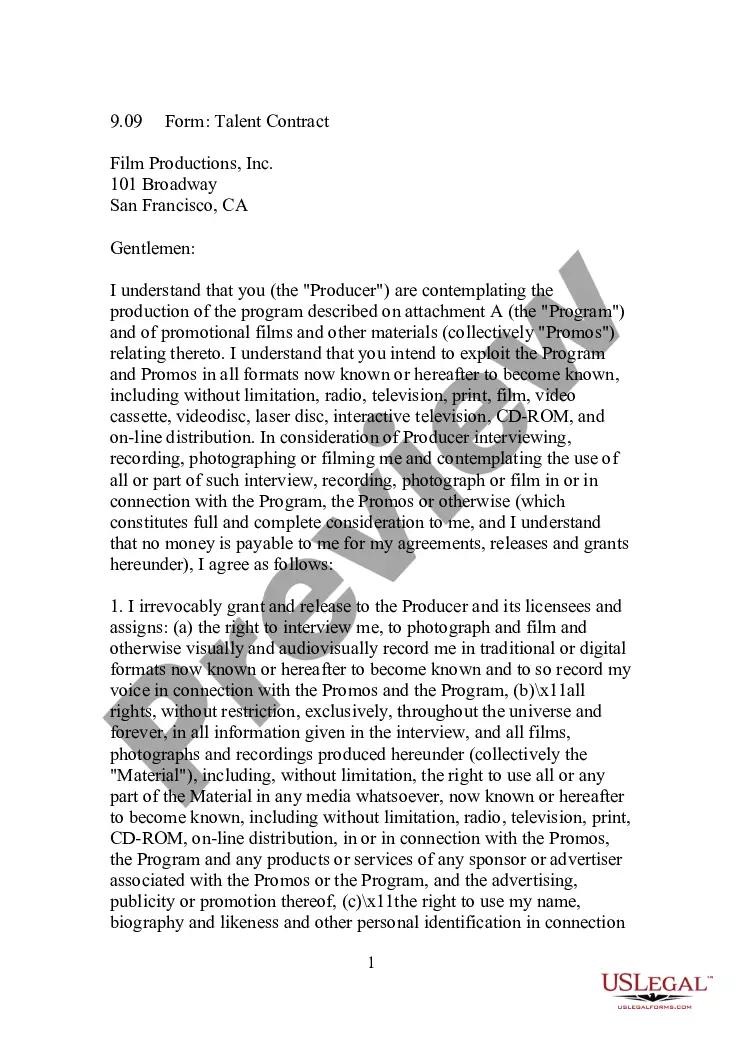
Get your form ready online
Our built-in tools help you complete, sign, share, and store your documents in one place.
Make edits, fill in missing information, and update formatting in US Legal Forms—just like you would in MS Word.
Download a copy, print it, send it by email, or mail it via USPS—whatever works best for your next step.
Sign and collect signatures with our SignNow integration. Send to multiple recipients, set reminders, and more. Go Premium to unlock E-Sign.
If this form requires notarization, complete it online through a secure video call—no need to meet a notary in person or wait for an appointment.
We protect your documents and personal data by following strict security and privacy standards.

Make edits, fill in missing information, and update formatting in US Legal Forms—just like you would in MS Word.

Download a copy, print it, send it by email, or mail it via USPS—whatever works best for your next step.

Sign and collect signatures with our SignNow integration. Send to multiple recipients, set reminders, and more. Go Premium to unlock E-Sign.

If this form requires notarization, complete it online through a secure video call—no need to meet a notary in person or wait for an appointment.

We protect your documents and personal data by following strict security and privacy standards.
Looking for another form?








Form popularity
FAQ
Contract documents are legally binding agreements that outline the roles, responsibilities and conditions of a project. Key components include parties involved, scope of work, terms & conditions and supporting documents.
The contract documents will typically comprise of the following: The agreement. The particular conditions of contract. The general conditions of contract. The specification. The drawings. The bills of quantities. Any other documents.
Based on my understanding, these two words are describing the same thing. If they are different, construction contract documents refer to the things prepared by the designer before the construction and project's contract documents refer to something may add to the original document during the construction.
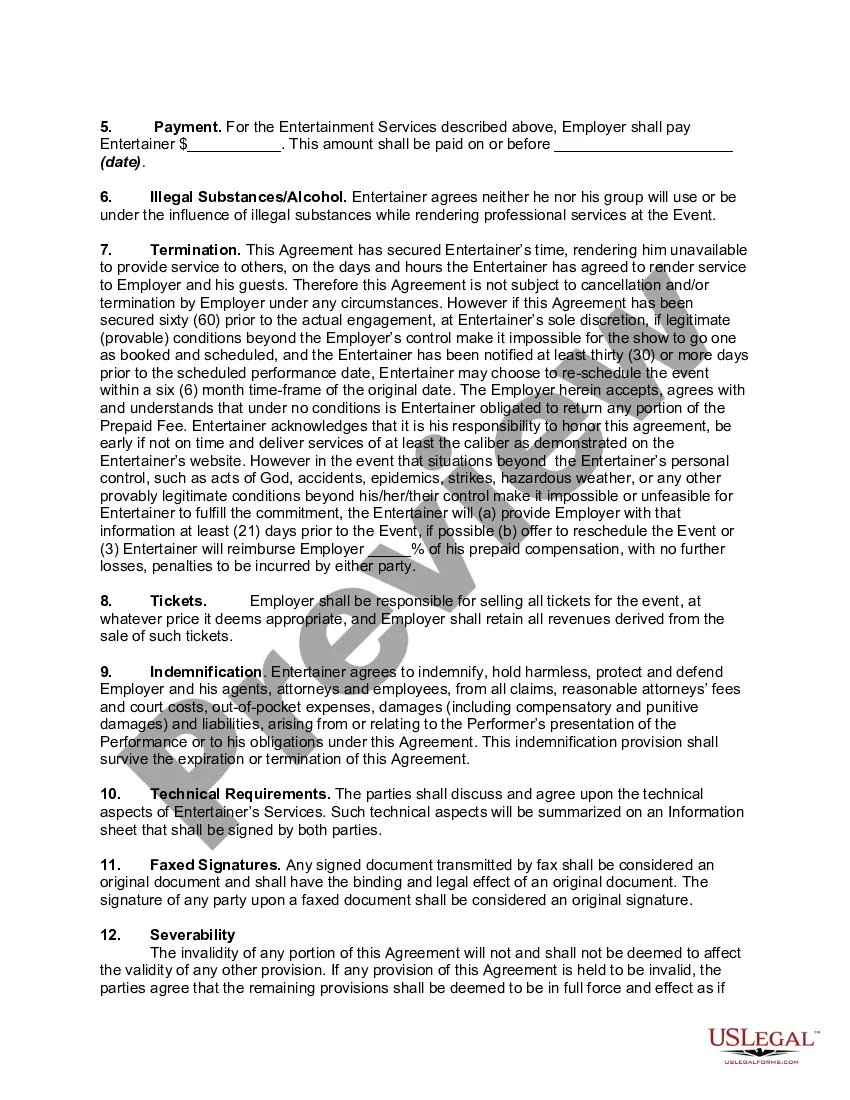
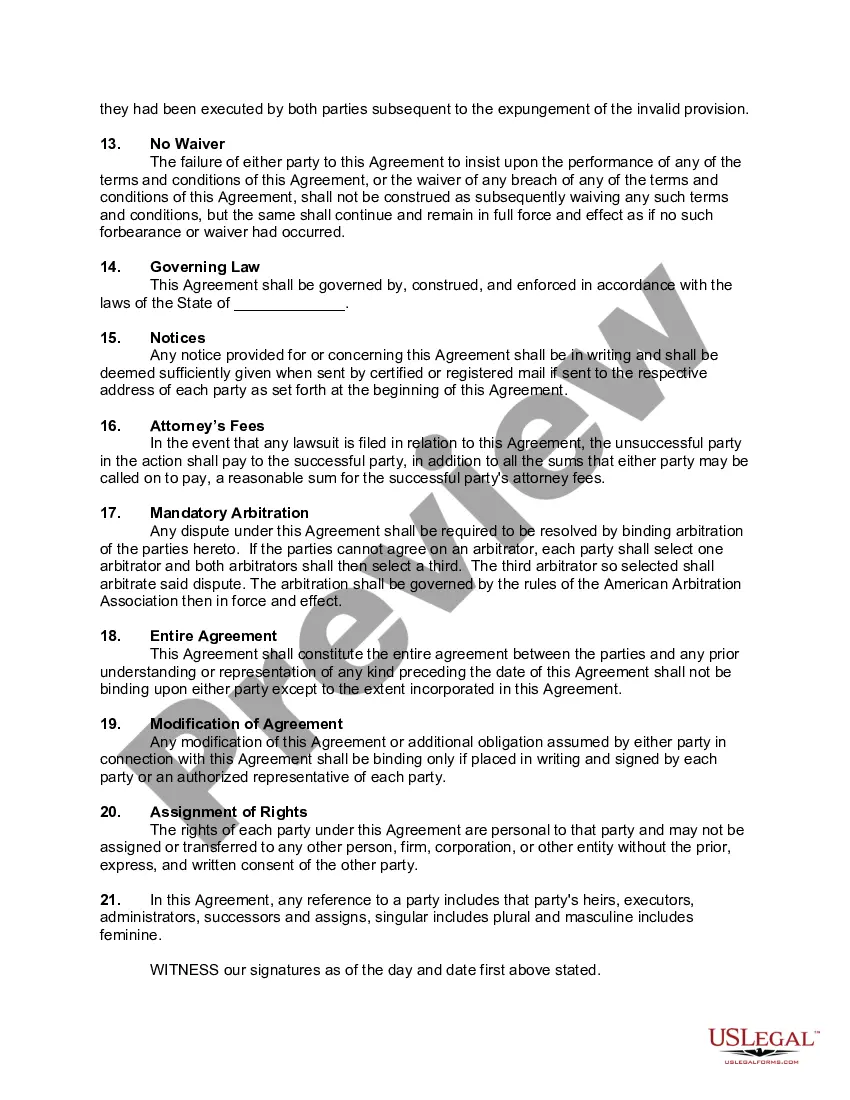
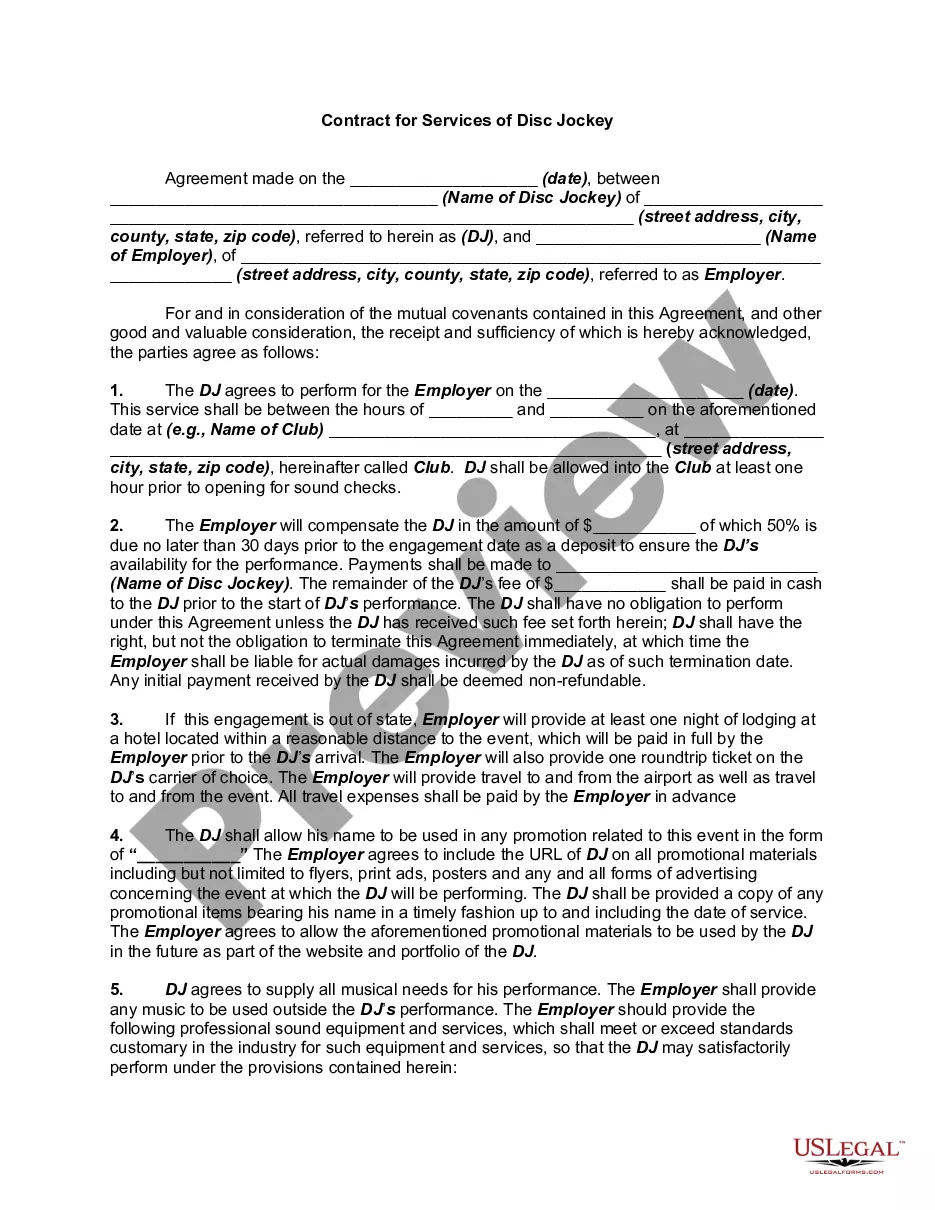
Key elements of an entertainment contract Parties involved. Clearly identify all parties involved in the contract. Scope of work. Detail the specific services or performances expected. Compensation. Duration of contract. Intellectual property rights. Confidentiality. Termination clauses. Indemnity and liability.
And even though contracts are infinitely varied in length, terms, and complexity, all contracts must contain these six essential elements. Offer. Acceptance. Awareness. Consideration. Capacity. Legality.
Contracts are made up of three basic parts – an offer, an acceptance and consideration.
Some common kinds of construction documents include: Bidding documents. Architectural drawings. Schedules.
A Construction Master Service Agreement (MSA) is an essential piece of any construction project. This document governs the entire project, gives all parties their marching orders, and establishes clear protocols that must be adhered to.
Protect Your IP Rights: Most entertainment contracts include provisions addressing how the intellectual property rights of the parties will, or will not, be exploited and for how long. Common issues that will arise include, among others, assignments, royalties, distribution rights, and licensing agreements.
