Examples Of Entertainment Packages In Florida
Description

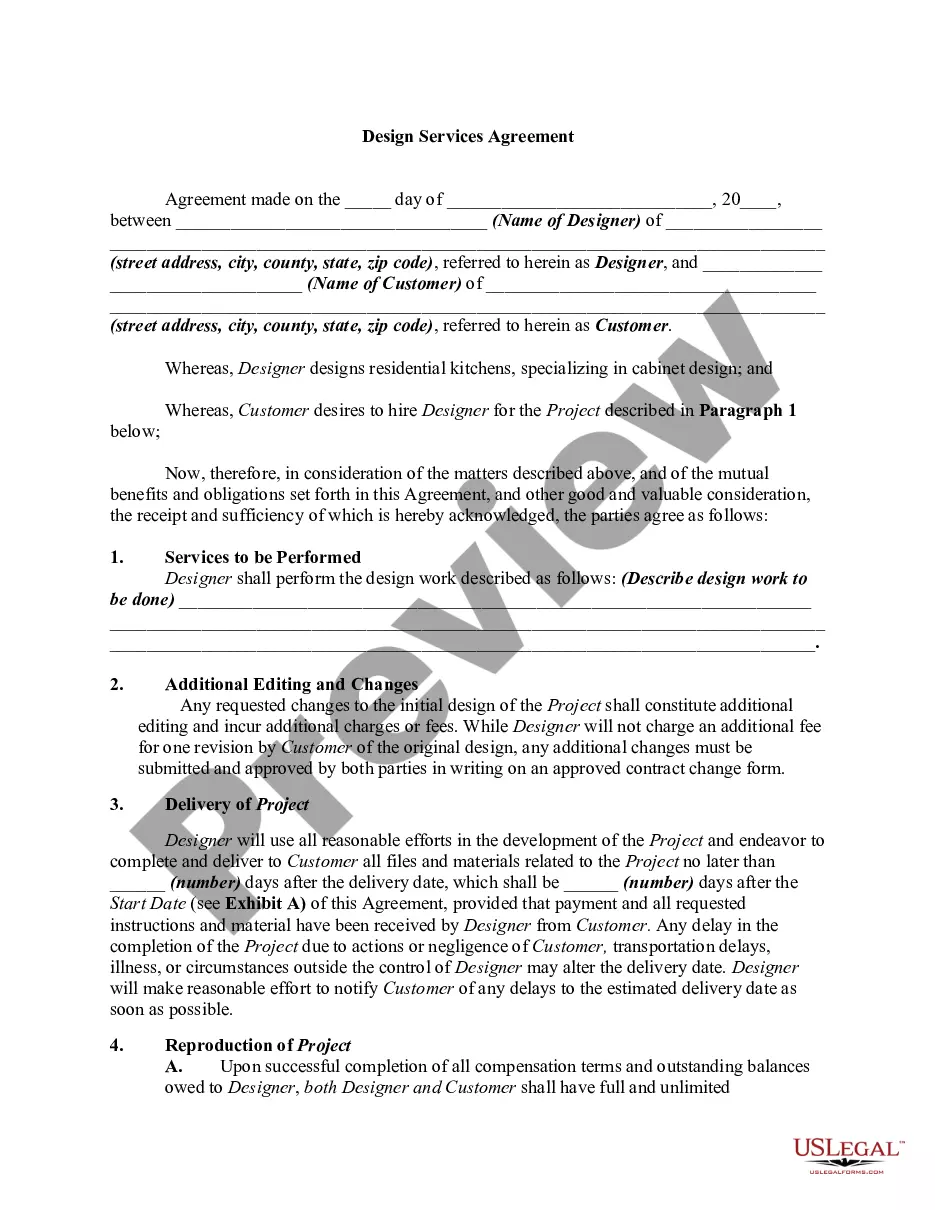
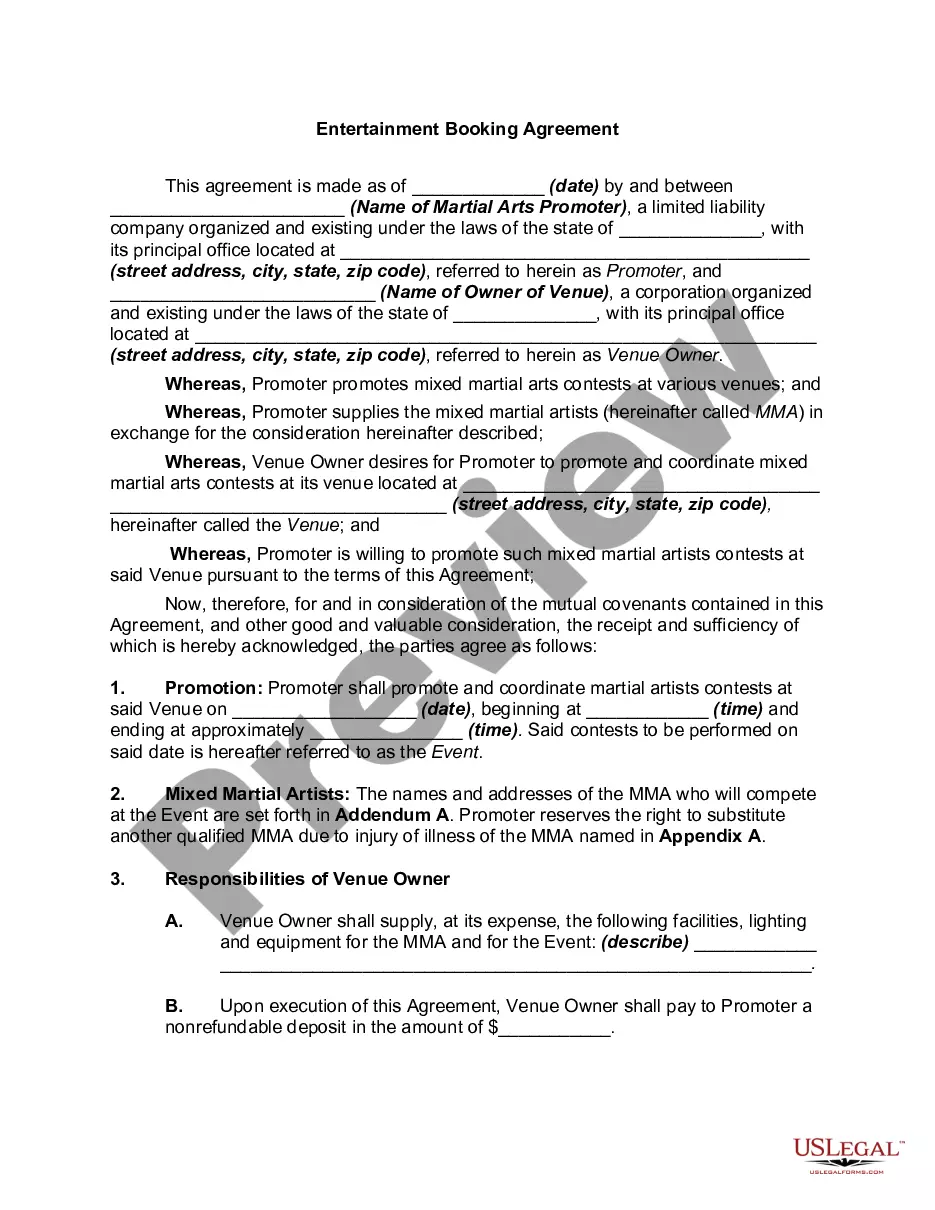
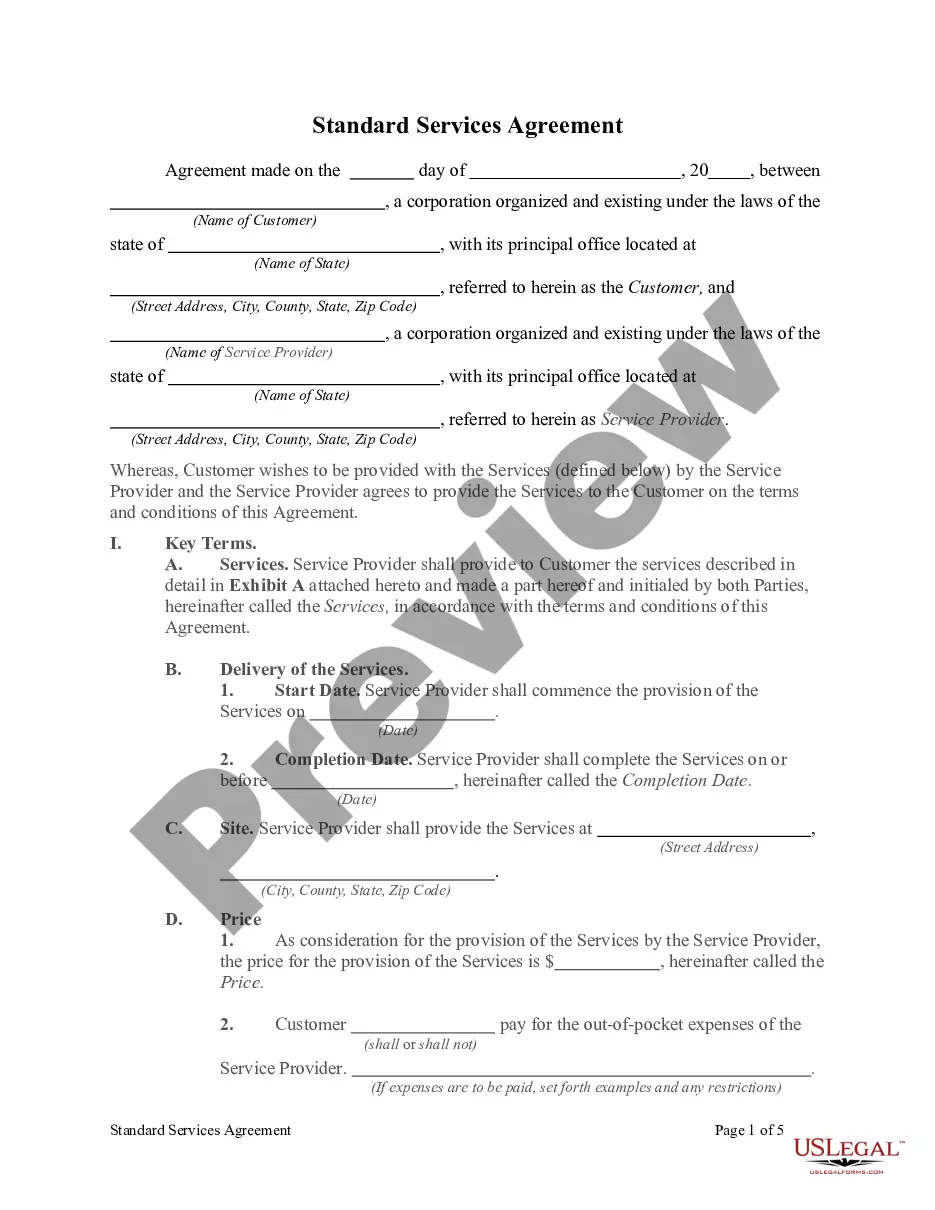
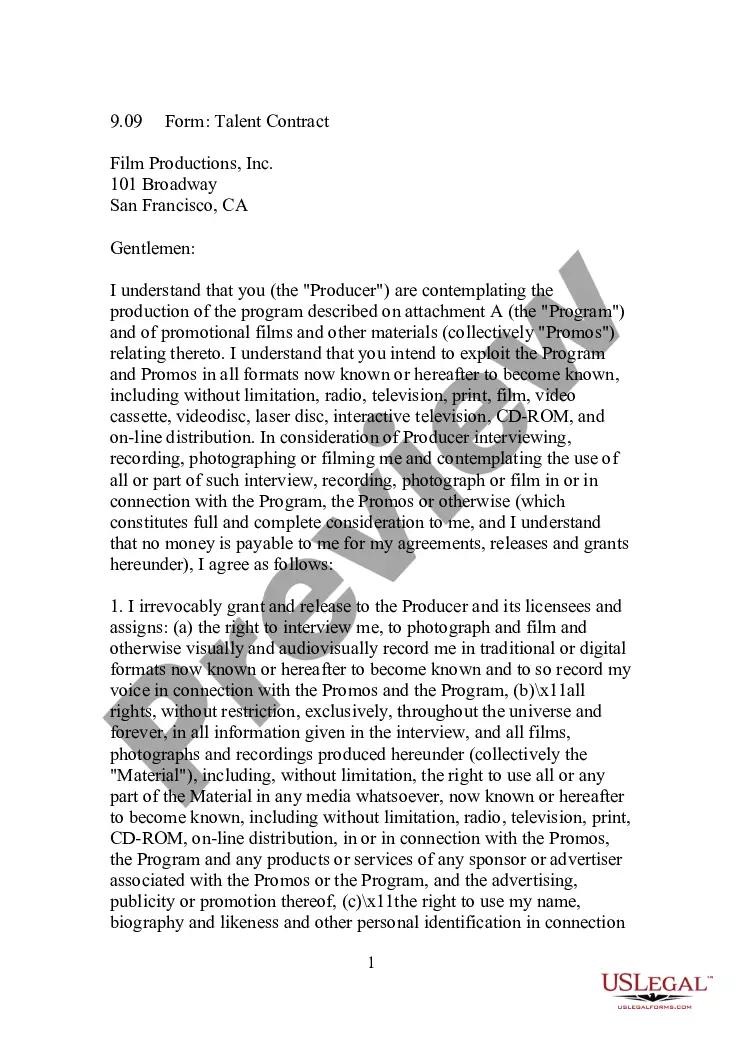
Get your form ready online
Our built-in tools help you complete, sign, share, and store your documents in one place.
Make edits, fill in missing information, and update formatting in US Legal Forms—just like you would in MS Word.
Download a copy, print it, send it by email, or mail it via USPS—whatever works best for your next step.
Sign and collect signatures with our SignNow integration. Send to multiple recipients, set reminders, and more. Go Premium to unlock E-Sign.
If this form requires notarization, complete it online through a secure video call—no need to meet a notary in person or wait for an appointment.
We protect your documents and personal data by following strict security and privacy standards.

Make edits, fill in missing information, and update formatting in US Legal Forms—just like you would in MS Word.

Download a copy, print it, send it by email, or mail it via USPS—whatever works best for your next step.

Sign and collect signatures with our SignNow integration. Send to multiple recipients, set reminders, and more. Go Premium to unlock E-Sign.

If this form requires notarization, complete it online through a secure video call—no need to meet a notary in person or wait for an appointment.

We protect your documents and personal data by following strict security and privacy standards.
Looking for another form?



Form popularity
FAQ
This type of expense can be partially tax-deductible. It is different from personal expenses, which are not tax-deductible. Examples of entertainment expenses include taking clients out to dinner or attending a business conference.
Commercial Amusements: Florida generally applies sales tax to admission fees for entertainment sources.
Tax-exempt goods Examples include most non-prepared food items, food stamps, and medical supplies. We recommend businesses review the laws and rules put forth by the Florida Department of Revenue and stay up to date on which goods are taxable and which are exempt, and under what conditions.
One of the biggest changes is that deductions are no longer allowed for entertainment expenses, except for certain employee events. In 2021, Congress passed a temporary tax incentive called the “Consolidated Appropriations Act” or CAA.
In 2023 and 2024, the rules reverted back to the Tax Cuts and Jobs Act, with business-related meals generally limited to a 50% deduction.
This means purchases for business-related meals are back to only 50% deductible. Entertainment expenses, like sporting events or show tickets, are still non-deductible. However, team-building activities or a companywide party for employees are deductible.
Staff entertaining is generally regarded as an allowable business expense and is tax deductible.
The standard deduction varies by filing status and is indexed for inflation. In 2024, the standard deduction is $14,600 for single filers and married persons filing separately, $21,900 for a head of household, and $29,200 for a married couple filing jointly and surviving spouses.
World-famous attractions such as Walt Disney World and Universal Studios Florida make Orlando a year-round tourist destination, but there are many attractions and activities outside of the theme parks.
