Entertainment Contract Form With Guardian Anime In Florida
Description

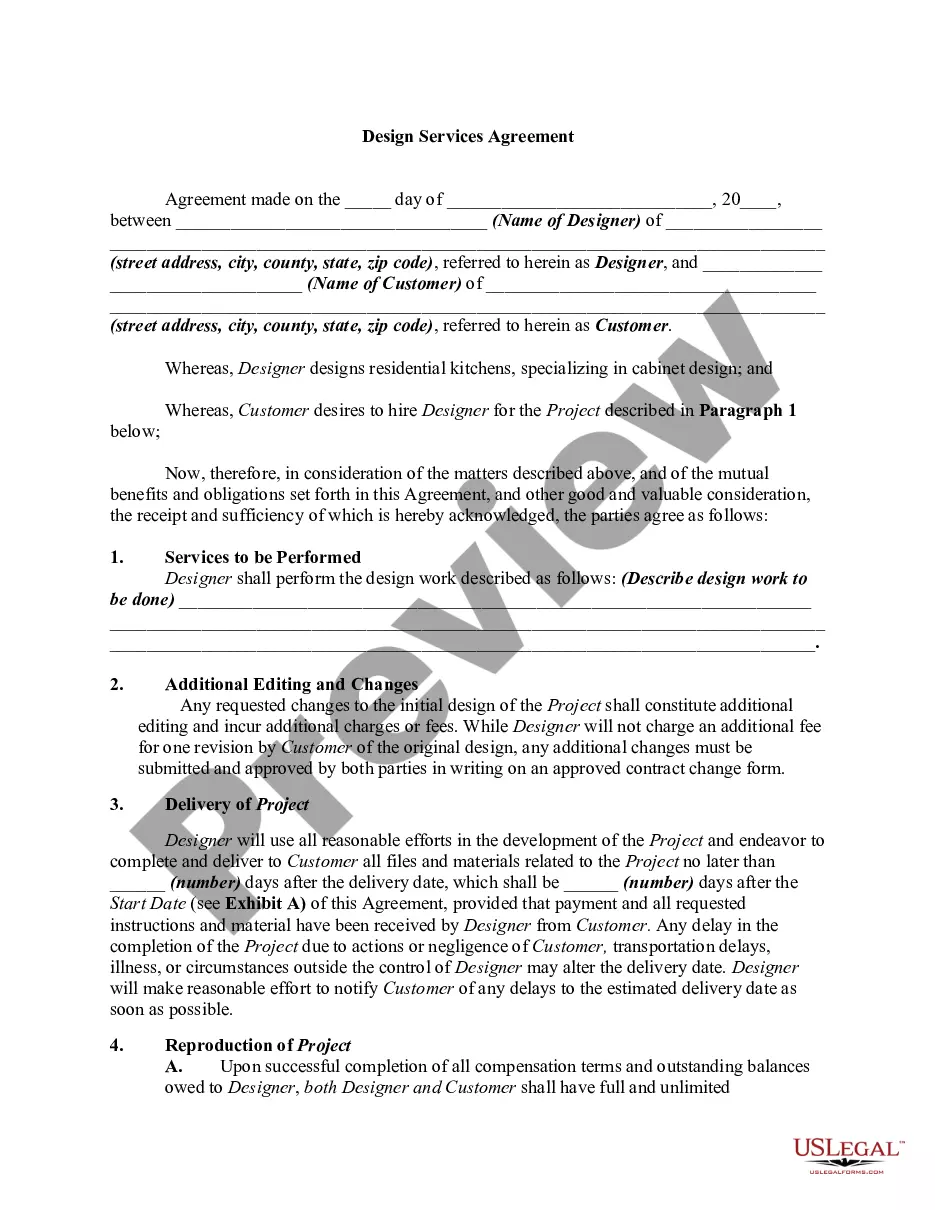

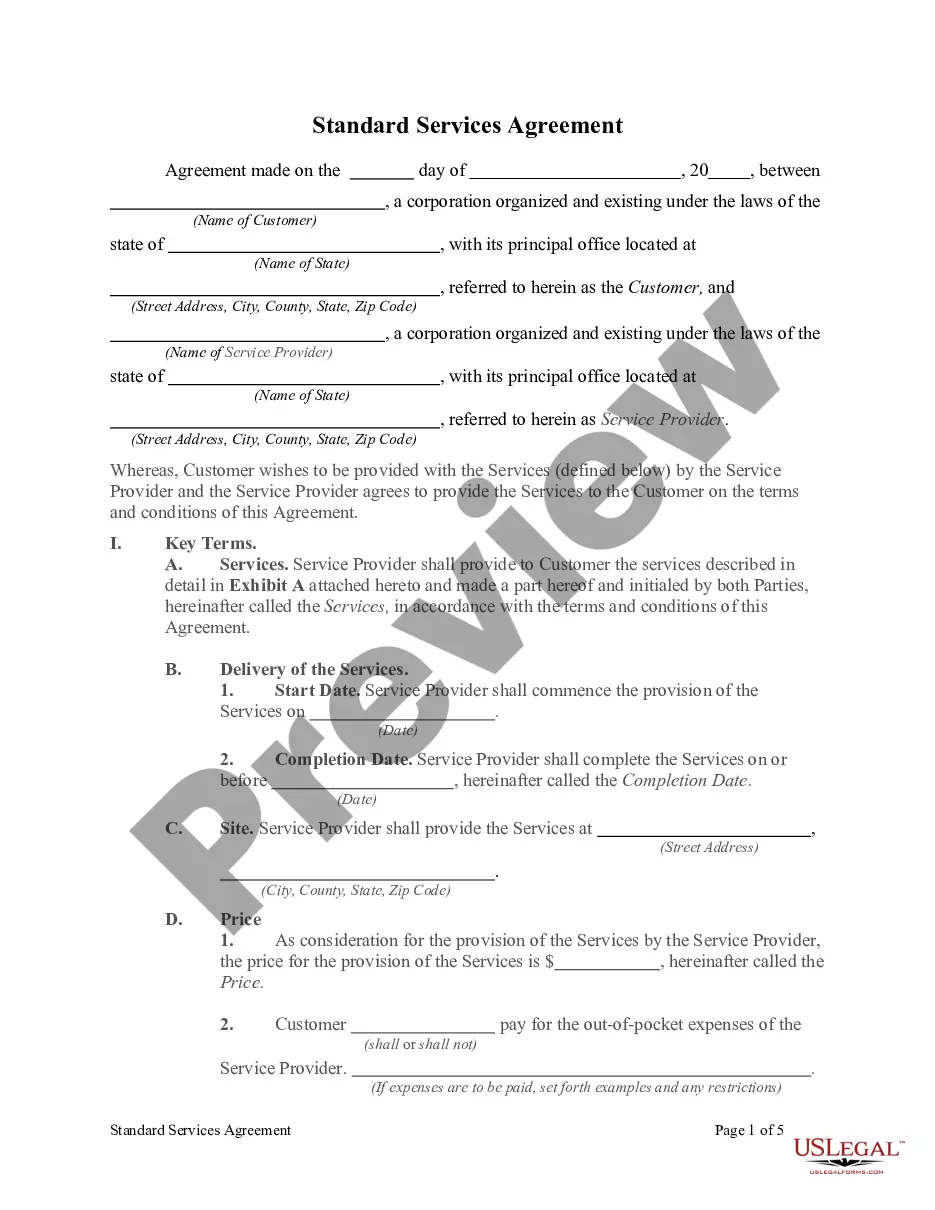
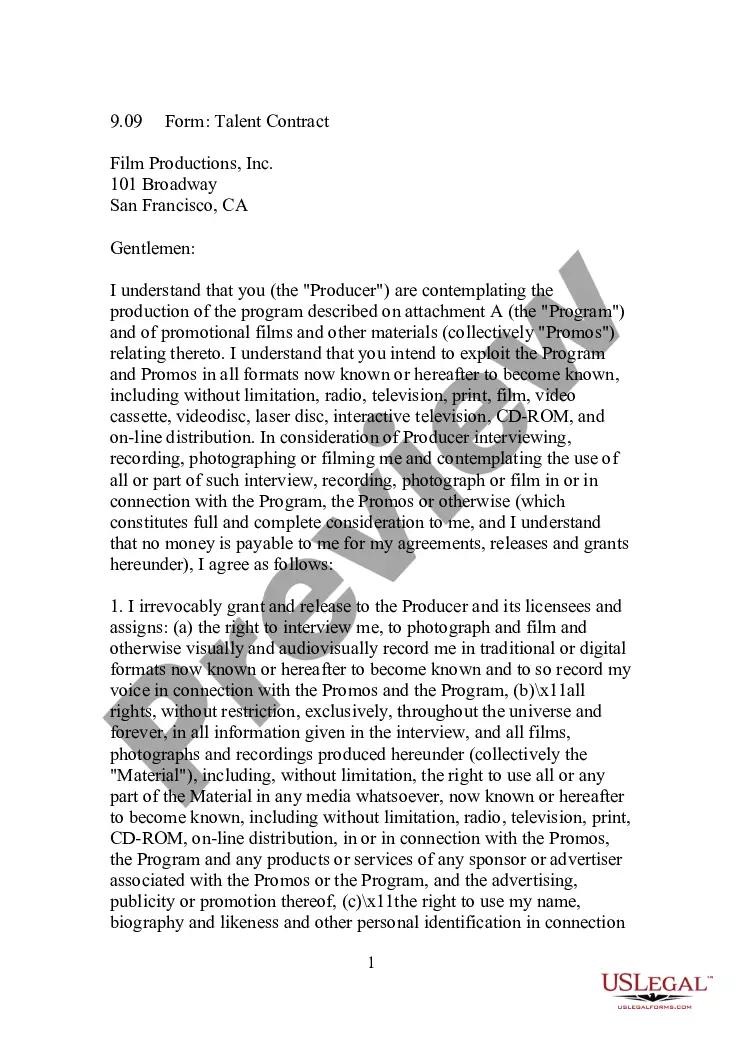
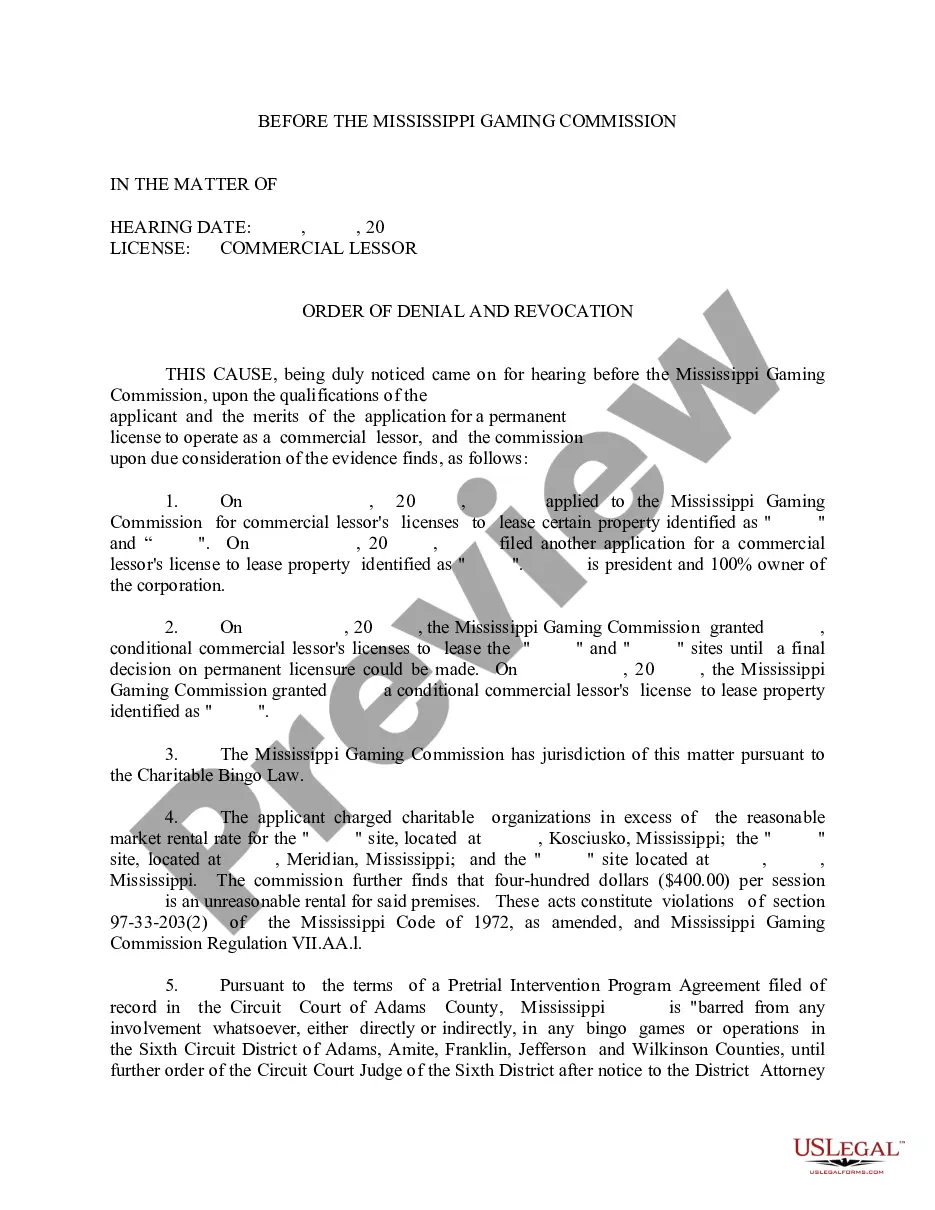
Get your form ready online
Our built-in tools help you complete, sign, share, and store your documents in one place.
Make edits, fill in missing information, and update formatting in US Legal Forms—just like you would in MS Word.
Download a copy, print it, send it by email, or mail it via USPS—whatever works best for your next step.
Sign and collect signatures with our SignNow integration. Send to multiple recipients, set reminders, and more. Go Premium to unlock E-Sign.
If this form requires notarization, complete it online through a secure video call—no need to meet a notary in person or wait for an appointment.
We protect your documents and personal data by following strict security and privacy standards.

Make edits, fill in missing information, and update formatting in US Legal Forms—just like you would in MS Word.

Download a copy, print it, send it by email, or mail it via USPS—whatever works best for your next step.

Sign and collect signatures with our SignNow integration. Send to multiple recipients, set reminders, and more. Go Premium to unlock E-Sign.

If this form requires notarization, complete it online through a secure video call—no need to meet a notary in person or wait for an appointment.

We protect your documents and personal data by following strict security and privacy standards.
Looking for another form?

Form popularity
FAQ
Ratification consists of any words or conduct of the minor which shows an intent to be bound by the contract. For example, Smith buys a car from Jones Ford Company for $10,000.00 when Smith is 17 years of age. Smith finances the car with Jones for 5 years making installment payments each month.
In California, the procedure for court approval of a minor's contracts involves either the employer or the minor petitioning the superior court in the appropriate county. The appropriate county is either where the minor resides or is employed, or where either party to the contract maintains a principal business office.
Ratification by a minor can occur in two ways: Express Ratification: This occurs when the minor explicitly states, either in writing or verbally, that they accept the contract. Implied Ratification: This occurs when the minor's actions imply that they accept the contract.
The Companies hereby ratify and confirm all of the terms and provisions of the Note Purchase Agreement and the other Transaction Documents and agree that all of such terms and provisions, as amended hereby, remain in full force and effect, except as, and to the extent expressly set forth herein.
The law recognizes a minor as lacking the capacity to contract. Therefore, contracts with a minor are voidable. This, however, does not apply to the circumstances where minors are legally allowed to get into a contract and be fully obliged to the terms and conditions. Examples of such circumstances include necessities.
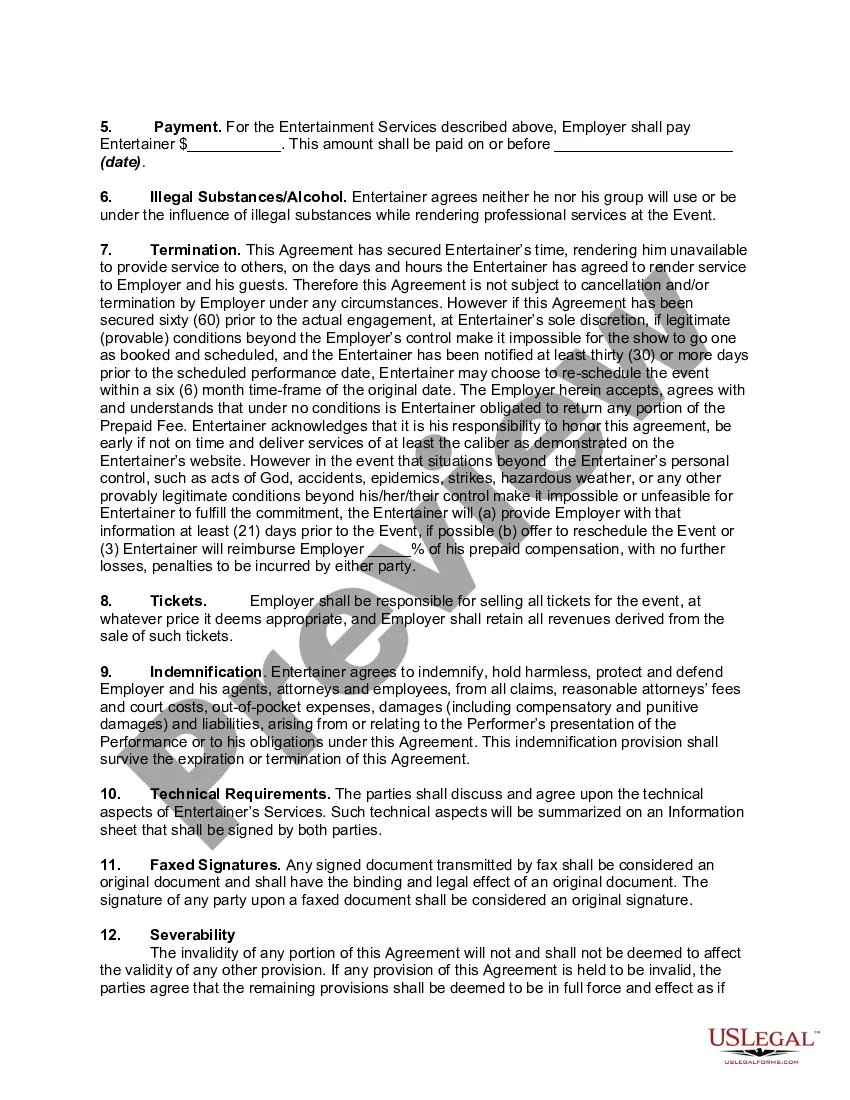
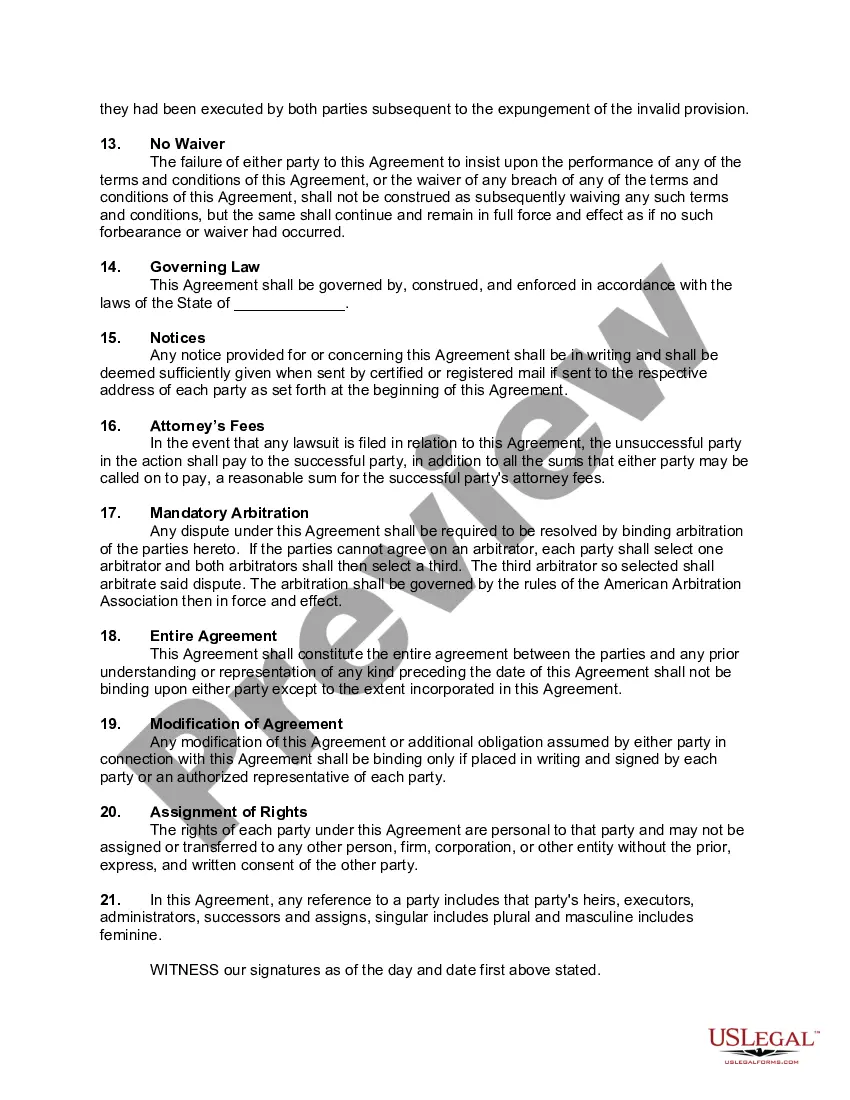
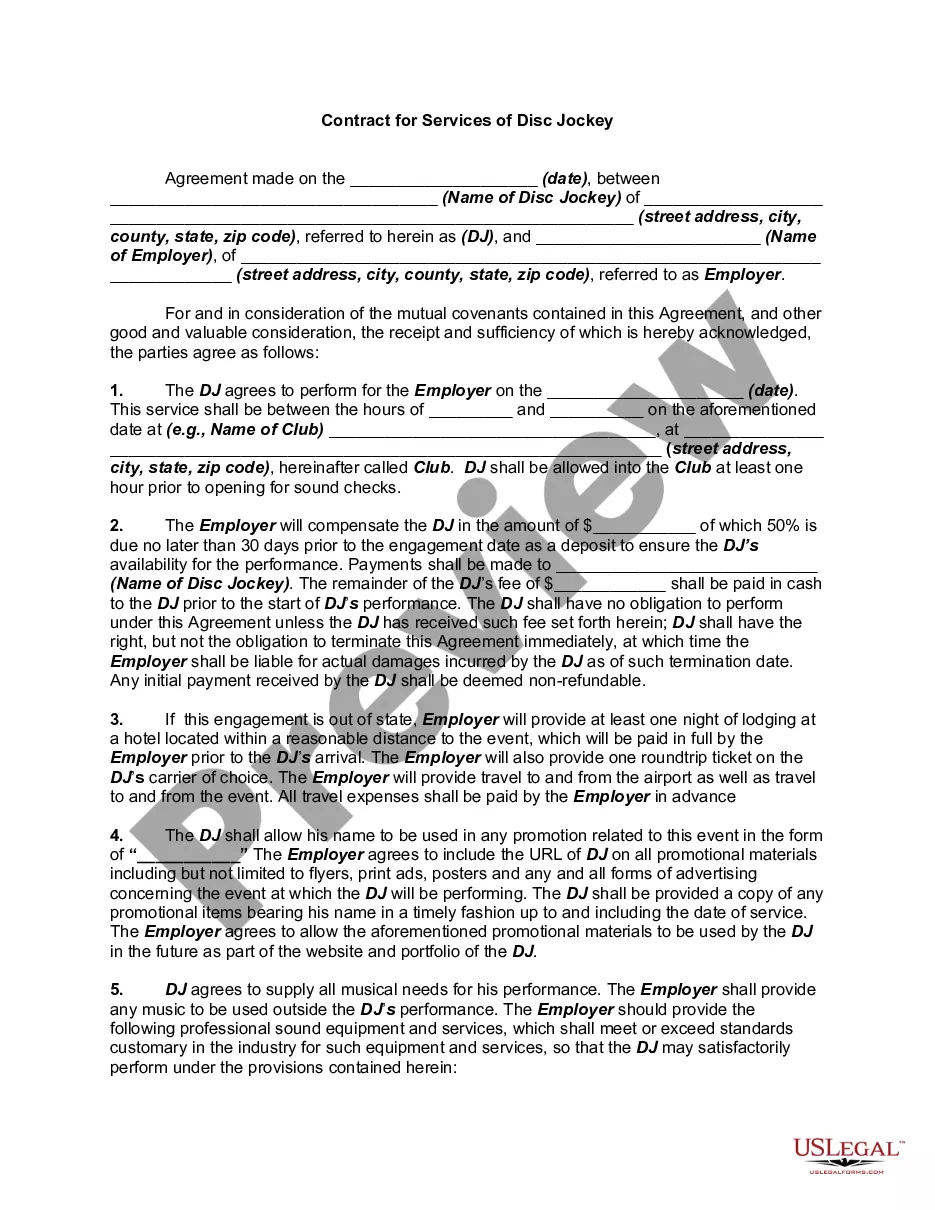
Key elements of an entertainment contract Parties involved. Clearly identify all parties involved in the contract. Scope of work. Detail the specific services or performances expected. Compensation. Duration of contract. Intellectual property rights. Confidentiality. Termination clauses. Indemnity and liability.
What happens if a minor signs a contract? Minors don't have contractual capacity, and the laws that define the age of contractual capacity (and maturity) are created to protect them. In most countries, minors generally cannot sign a contract that will be upheld in court. In other words, that contract would be voidable.
After a minor reaches the age of majority, he can ratify the contract. Once the contract has been ratified, the ex-minor cannot change his mind and avoid the contract. Ratification consists of any words or conduct of the minor which shows an intent to be bound by the contract.
