Bond In Criminal Cases In Washington
Description




Get your form ready online
Our built-in tools help you complete, sign, share, and store your documents in one place.
Make edits, fill in missing information, and update formatting in US Legal Forms—just like you would in MS Word.
Download a copy, print it, send it by email, or mail it via USPS—whatever works best for your next step.
Sign and collect signatures with our SignNow integration. Send to multiple recipients, set reminders, and more. Go Premium to unlock E-Sign.
If this form requires notarization, complete it online through a secure video call—no need to meet a notary in person or wait for an appointment.
We protect your documents and personal data by following strict security and privacy standards.

Make edits, fill in missing information, and update formatting in US Legal Forms—just like you would in MS Word.

Download a copy, print it, send it by email, or mail it via USPS—whatever works best for your next step.

Sign and collect signatures with our SignNow integration. Send to multiple recipients, set reminders, and more. Go Premium to unlock E-Sign.

If this form requires notarization, complete it online through a secure video call—no need to meet a notary in person or wait for an appointment.

We protect your documents and personal data by following strict security and privacy standards.
Looking for another form?


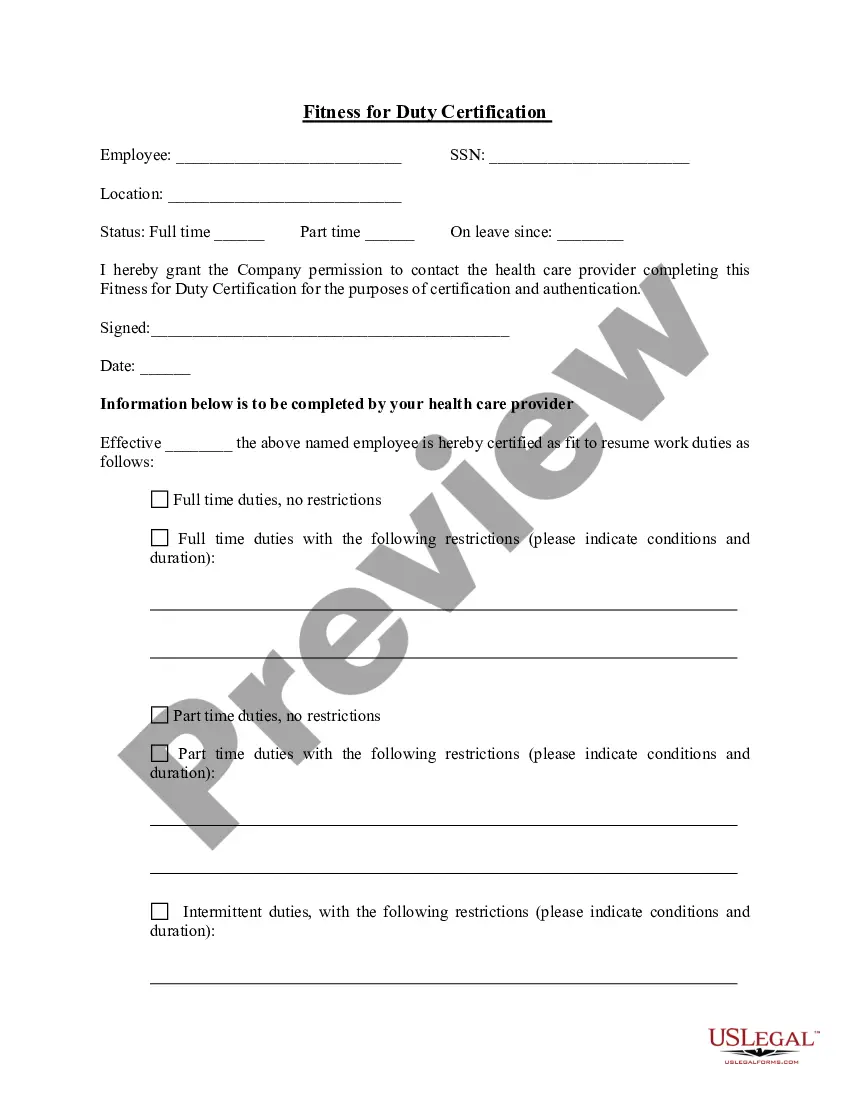






Form popularity
FAQ
No - if you signed the bond it doesn't matter whether you have a job or not - or whether the bondsman asked you if you did. You are liable as surety on the bond - having a job or not has nothing to do with your liability. Sorry.
Having an experienced lawyer by your side can be the difference between remaining in jail until your trial or being released and being reunited with your friends and family. Don't put your freedom at risk by trying to get through the process without an attorney.
The arrestee's attorney will schedule the hearing and argue their case. Alternatively, a bail bond hearing in California may refer to when a bail bond company contacts the court and requests changes to the bail amount. This is extremely common as it helps defendants get the fairest bail possible.
Judges can use criteria such as the severity of charges or allegations, criminal history, and warrant history to determine what the bail amount will be after reviewing each individual case.
