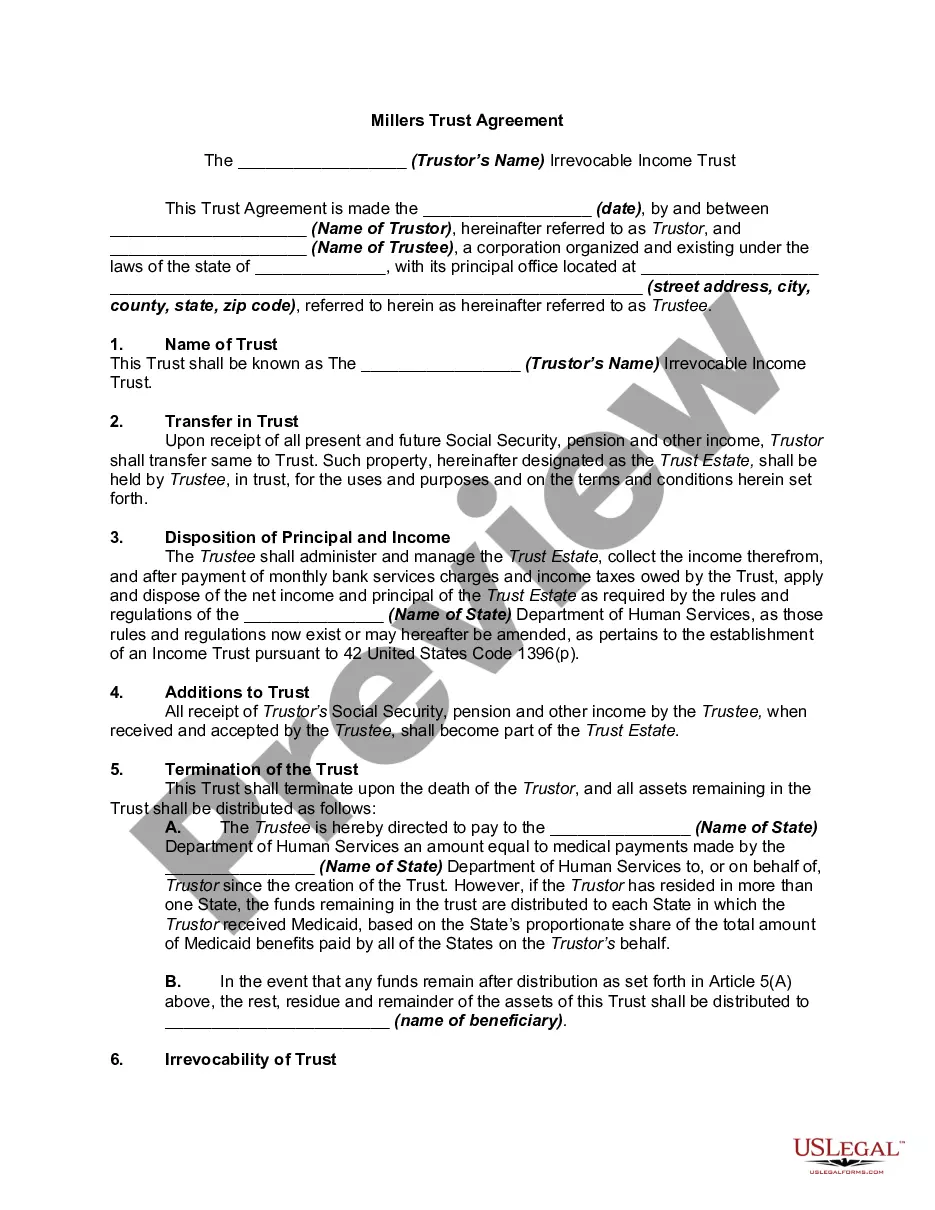
Bond In Criminal Law In Virginia
Description









Form popularity
FAQ
There is no fixed schedule for bond amounts, but typical amounts might be $500-5000 for misdemeanors; $2500-10,000 for property and drug felonies; and $25,000-50,000 or much more for serious felonies.
No - if you signed the bond it doesn't matter whether you have a job or not - or whether the bondsman asked you if you did. You are liable as surety on the bond - having a job or not has nothing to do with your liability. Sorry.
Factors considered include the seriousness of the charges, the defendant's criminal history, ties to the community, and their financial situation. Pretrial Services Report – The judge may also review a report that the pretrial services agency prepares.
Types of Bail in Virginia Criminal Cases However, if the magistrate does not set bond, then you will remain in jail either until released after trial or sentencing or until your defense attorney files a motion in court. There are three types of bail set in Virginia criminal cases: Recognizance.
Virginia Code Section 19.2-120 states that a person pending a trial or hearing, shall be admitted to bail, unless there is reason to believe: They will not appear for trial. They are an unreasonable danger to himself/ herself. They would constitute an unreasonable danger to the public.
The arrestee's attorney will schedule the hearing and argue their case. Alternatively, a bail bond hearing in California may refer to when a bail bond company contacts the court and requests changes to the bail amount. This is extremely common as it helps defendants get the fairest bail possible.
A bond cannot be reduced if the prosecutor is not willing and the judge rules in their favor. However, without an attorney now, she can submit a request to the judge. It is called A Motion to Request Reduced Bond. If she is on her own, she can just write it in letter form.
