Bail In Criminal Record In North Carolina
Description

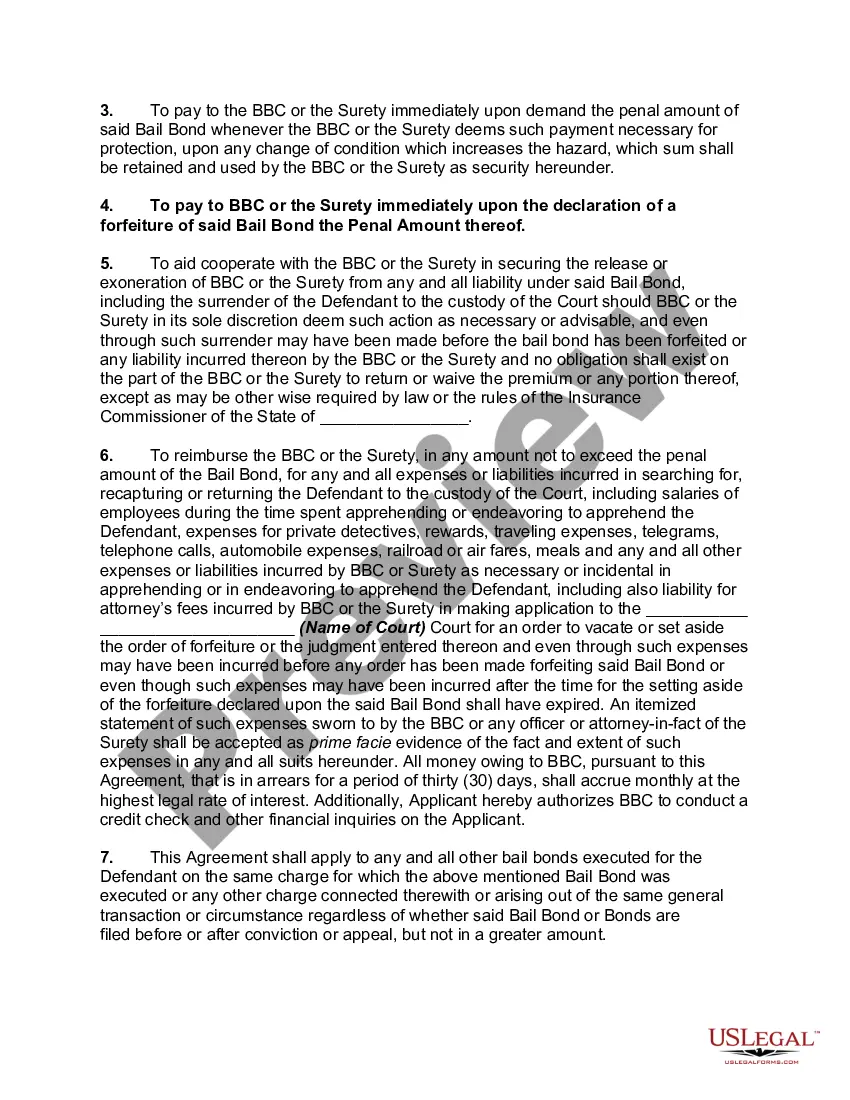
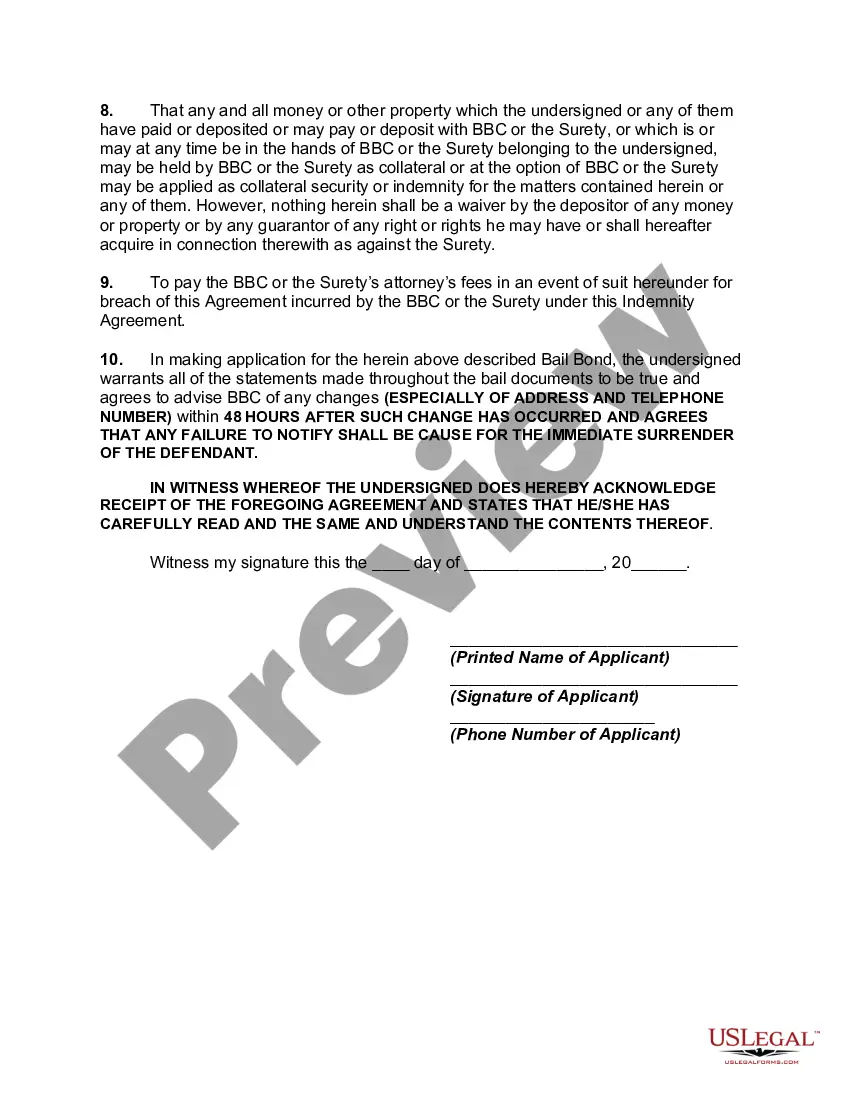

Get your form ready online
Our built-in tools help you complete, sign, share, and store your documents in one place.
Make edits, fill in missing information, and update formatting in US Legal Forms—just like you would in MS Word.
Download a copy, print it, send it by email, or mail it via USPS—whatever works best for your next step.
Sign and collect signatures with our SignNow integration. Send to multiple recipients, set reminders, and more. Go Premium to unlock E-Sign.
If this form requires notarization, complete it online through a secure video call—no need to meet a notary in person or wait for an appointment.
We protect your documents and personal data by following strict security and privacy standards.

Make edits, fill in missing information, and update formatting in US Legal Forms—just like you would in MS Word.

Download a copy, print it, send it by email, or mail it via USPS—whatever works best for your next step.

Sign and collect signatures with our SignNow integration. Send to multiple recipients, set reminders, and more. Go Premium to unlock E-Sign.

If this form requires notarization, complete it online through a secure video call—no need to meet a notary in person or wait for an appointment.

We protect your documents and personal data by following strict security and privacy standards.
Looking for another form?






Form popularity
FAQ
In the state of North Carolina, there are four ways to get a person out of jail: post the bond yourself, use property for collateral in court, have a judge release the defendant on their own recognizance, or hire a licensed and insured bail bondsman.
The Pretrial Integrity Act has changed how pretrial release works in North Carolina. If you're arrested for a serious felony, or if you already have pending charges, a judge must now set your bond. This means you might have to wait longer in custody before you can be released.
Most bond agreements include travel restrictions, confining you to a specific geographic area such as your county or state. These limitations are designed to ensure your availability for court dates. If travel is necessary, you must seek prior approval from the court or your bail bondsman.
There are several ways you can report a crime against you. Call 911. Call the non-emergency number for your local law enforcement agency. Go directly to a local law enforcement office. Go directly to the local magistrate's office.
WHAT ARE THE FACTORS THAT A JUDGE LOOKS AT WHEN DETERMINING BAIL AMOUNT? The defendant's flight risk. The defendant's criminal history. The severity of the alleged crime. The defendant's ties to the community. The defendant's employment status and financial resources. The defendant's mental health and substance abuse history.
Bail information is considered public record in the State of California, meaning that anyone (not only defendants themselves) can request this info. The details can be accessed via the Public Access to Court Electronic Records (PACER) system or the Criminal Intake Section.
For example, in California, bail bond records are generally public and accessible via the Public Access to Court Electronic Records (PACER) system.
If a cosigner has doubts about the defendant's ability to fulfill their court obligations and show up for a court date, they can remove their name from a bail bond at any time. However, there are certain circumstances where a cosigner cannot revoke a bail bond.
For example, in California, bail bond records are generally public and accessible via the Public Access to Court Electronic Records (PACER) system.
