Bail And Bond In Crpc In Middlesex
Description

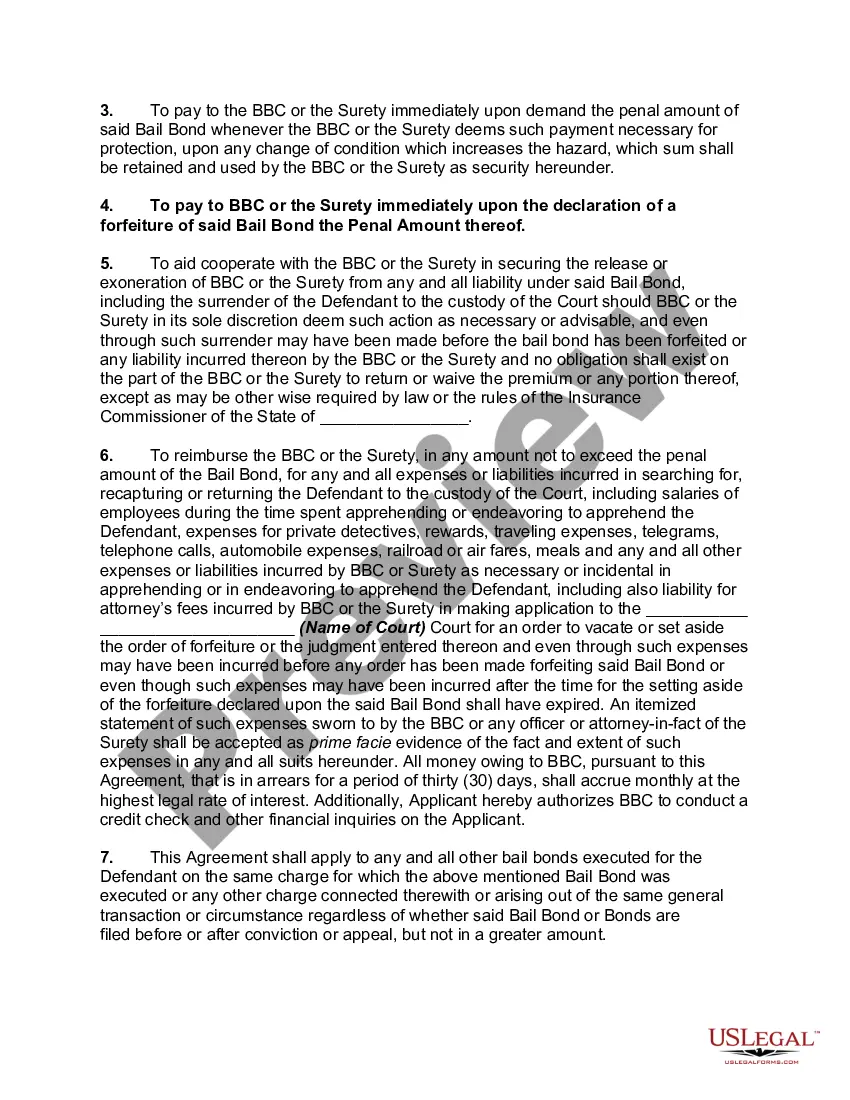
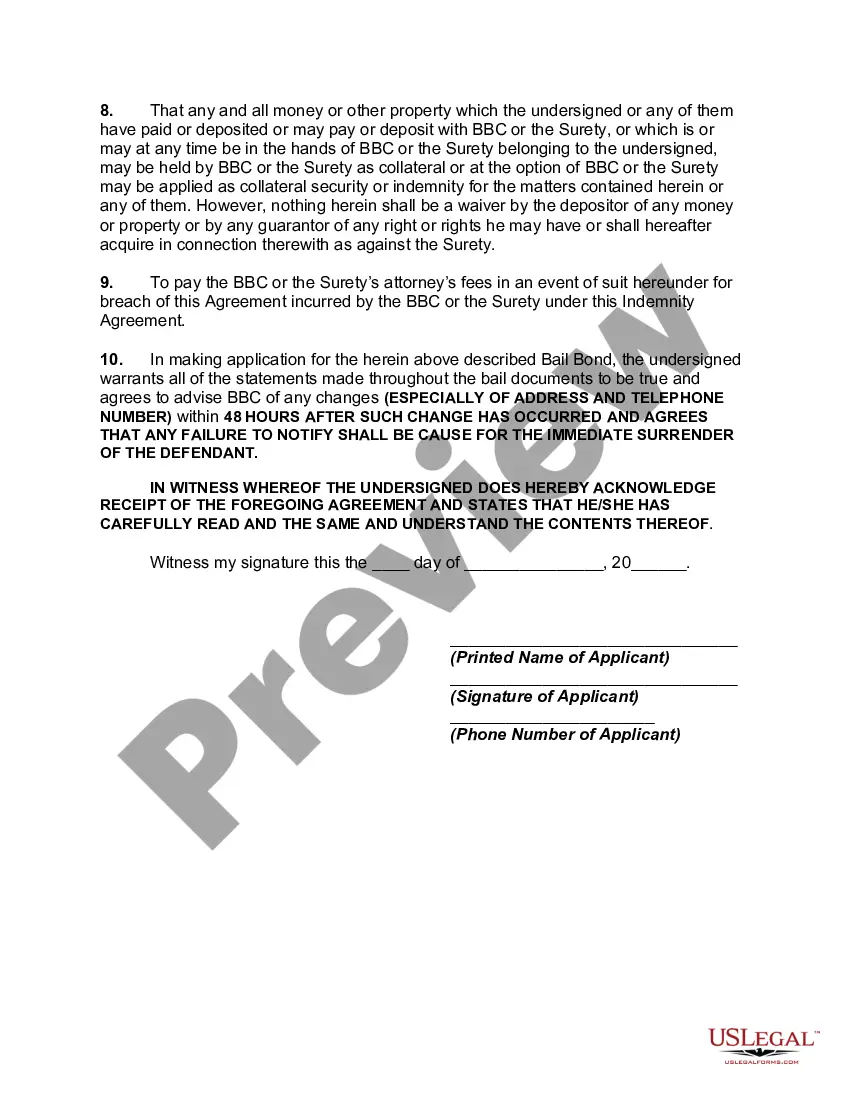

Get your form ready online
Our built-in tools help you complete, sign, share, and store your documents in one place.
Make edits, fill in missing information, and update formatting in US Legal Forms—just like you would in MS Word.
Download a copy, print it, send it by email, or mail it via USPS—whatever works best for your next step.
Sign and collect signatures with our SignNow integration. Send to multiple recipients, set reminders, and more. Go Premium to unlock E-Sign.
If this form requires notarization, complete it online through a secure video call—no need to meet a notary in person or wait for an appointment.
We protect your documents and personal data by following strict security and privacy standards.

Make edits, fill in missing information, and update formatting in US Legal Forms—just like you would in MS Word.

Download a copy, print it, send it by email, or mail it via USPS—whatever works best for your next step.

Sign and collect signatures with our SignNow integration. Send to multiple recipients, set reminders, and more. Go Premium to unlock E-Sign.

If this form requires notarization, complete it online through a secure video call—no need to meet a notary in person or wait for an appointment.

We protect your documents and personal data by following strict security and privacy standards.
Looking for another form?









Form popularity
FAQ
Under the old law, a defendant is released or detained based on their ability to post bail. Under the new law, there is no bail. The New Jersey court looks at whether or not the defendant will appear in court, the community is safe, and whether the defendant will obstruct the criminal justice process.
The amount you can invest in bonds depends on which product you choose. For example, Savings bonds in India have no maximum bond investment limit but they do have a minimum bond investment limit of Rs 1000. The investments can be increased to multiples of Rs 1000.
Subrata Roy 1.6 million USD is the highest bail amount in India. He was caught when he failed to appear before the Supreme Court of India to settle a dispute with the SEBI, the Indian Market Regulator.
1. Regular Bail. Regular bail refers to a legal mechanism through which a court can order the release of a person in custody on suspicion of committing an offense, with the condition that they do not obstruct the course of justice.
Comparison of the Costs Across Different states in India: Bail amounts and court fees can vary significantly from state to state in India. For example, the bail amount for a non-bailable offense in Delhi can be as high as ₹ 2 lakhs, while in Rajasthan, it can be as low as ₹ 10,000.
Under the old law, a defendant is released or detained based on their ability to post bail. Under the new law, there is no bail. The New Jersey court looks at whether or not the defendant will appear in court, the community is safe, and whether the defendant will obstruct the criminal justice process.
