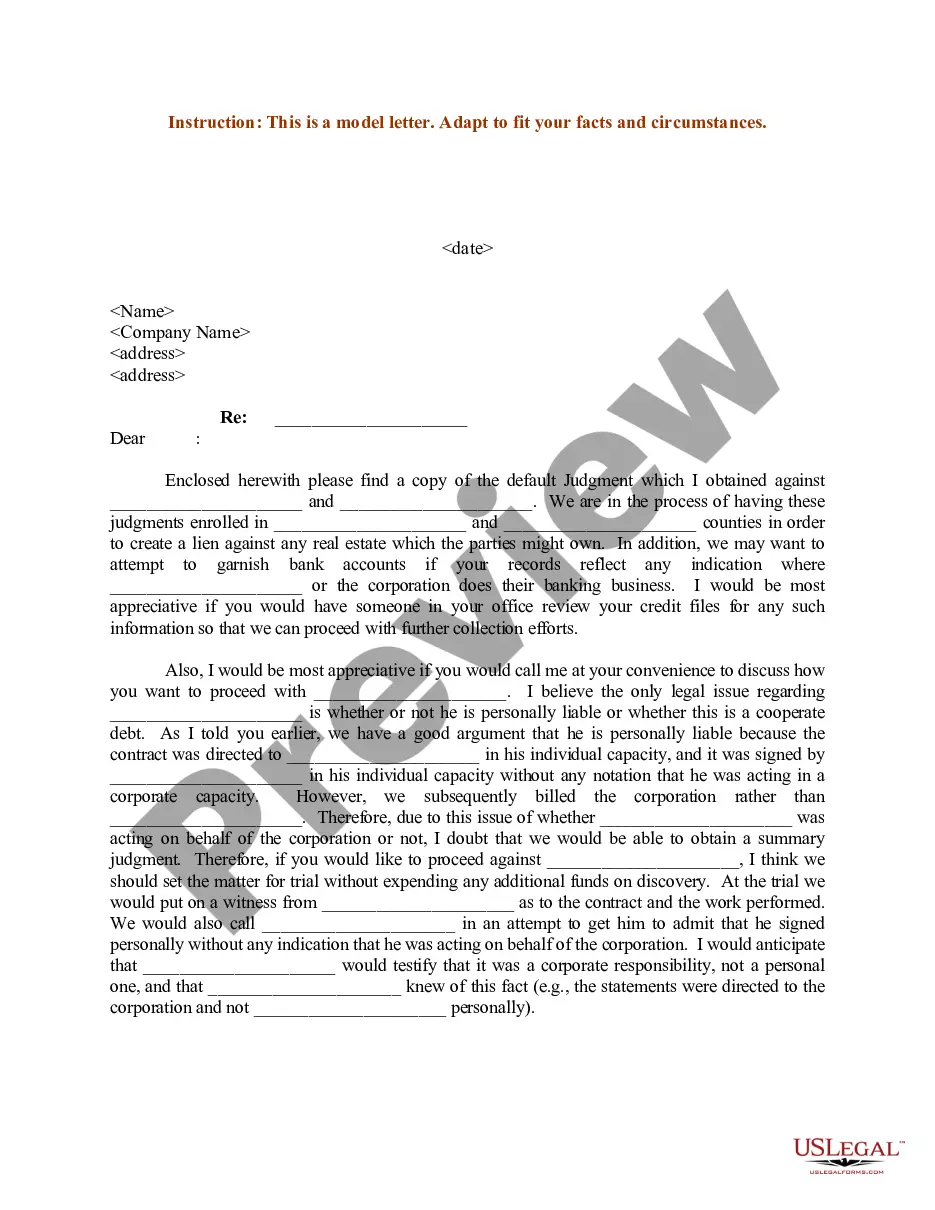
Bail Versus Bond Form Delhi District Court In Florida
Description


Get your form ready online
Our built-in tools help you complete, sign, share, and store your documents in one place.
Make edits, fill in missing information, and update formatting in US Legal Forms—just like you would in MS Word.
Download a copy, print it, send it by email, or mail it via USPS—whatever works best for your next step.
Sign and collect signatures with our SignNow integration. Send to multiple recipients, set reminders, and more. Go Premium to unlock E-Sign.
If this form requires notarization, complete it online through a secure video call—no need to meet a notary in person or wait for an appointment.
We protect your documents and personal data by following strict security and privacy standards.

Make edits, fill in missing information, and update formatting in US Legal Forms—just like you would in MS Word.

Download a copy, print it, send it by email, or mail it via USPS—whatever works best for your next step.

Sign and collect signatures with our SignNow integration. Send to multiple recipients, set reminders, and more. Go Premium to unlock E-Sign.

If this form requires notarization, complete it online through a secure video call—no need to meet a notary in person or wait for an appointment.

We protect your documents and personal data by following strict security and privacy standards.
Looking for another form?







Form popularity
FAQ
The maximum stay depends on the court system. Typically you will be held until your trial, also called "pretrial detention." While you have the right to a "speedy" trial, the definition of this is up to the court and can vary. This means you might be kept in jail for anything from a few weeks to several years.
There are three requirements for obtaining a Judicial Court Bond: Submit an application and signed indemnity agreement supplied by the surety broker/agent; Provide a copy of the court papers for the applicable action being filed; and. Provide collateral, usually in the form of an Irrevocable Letter of Credit.
In Florida, bail is determined by the judge based on factors like the severity of the charges, your criminal history, and whether you are considered a flight risk. The judge may also consider community ties and the potential danger to the public.
If you can't afford bail, you will remain in jail until your court date, which can range from weeks for minor offenses to months or even years for serious charges. The timeline largely depends on the complexity of the case, the court's schedule, and whether there are any delays in the legal process.
Understanding Bail and Bond in Florida: Key Takeaways While the terms “bail” and “bond” are often used interchangeably, understanding the distinction is important. Bail refers to the full amount set by the court, while a bond is a financial arrangement, typically with a bail bondsman, to meet that bail requirement.
Under Florida Rule of Criminal Procedure 3.134, state prosecutors generally have up to 30 days to file charges against someone following their arrest. If the defendant remains uncharged, the court must release them on their own recognizance by the 33rd day following their initial arrest.
The uniform bond schedule The new law mandates the Florida Supreme Court to establish a uniform schedule for specific offenses not included in the “dangerous crime” category. This schedule became effective on January 1, 2024, outlining set bond amounts for various felonies and misdemeanors.
Requirements When Out on Bond in Florida stay within the jurisdiction of the court in which they were arrested (meaning they can't leave town); notify the bondsman of any residential moves; and. avoid any additional criminal offenses, aside from minor traffic violations.
The bail bond process involves completing paperwork, providing identification, and potentially providing collateral. The bondsman and the Indemnitor (the person securing the bond) are responsible for ensuring the accused's appearance in court until the case is resolved.