Bail Without Bond In Cuyahoga
Description




Get your form ready online
Our built-in tools help you complete, sign, share, and store your documents in one place.
Make edits, fill in missing information, and update formatting in US Legal Forms—just like you would in MS Word.
Download a copy, print it, send it by email, or mail it via USPS—whatever works best for your next step.
Sign and collect signatures with our SignNow integration. Send to multiple recipients, set reminders, and more. Go Premium to unlock E-Sign.
If this form requires notarization, complete it online through a secure video call—no need to meet a notary in person or wait for an appointment.
We protect your documents and personal data by following strict security and privacy standards.

Make edits, fill in missing information, and update formatting in US Legal Forms—just like you would in MS Word.

Download a copy, print it, send it by email, or mail it via USPS—whatever works best for your next step.

Sign and collect signatures with our SignNow integration. Send to multiple recipients, set reminders, and more. Go Premium to unlock E-Sign.

If this form requires notarization, complete it online through a secure video call—no need to meet a notary in person or wait for an appointment.

We protect your documents and personal data by following strict security and privacy standards.
Looking for another form?






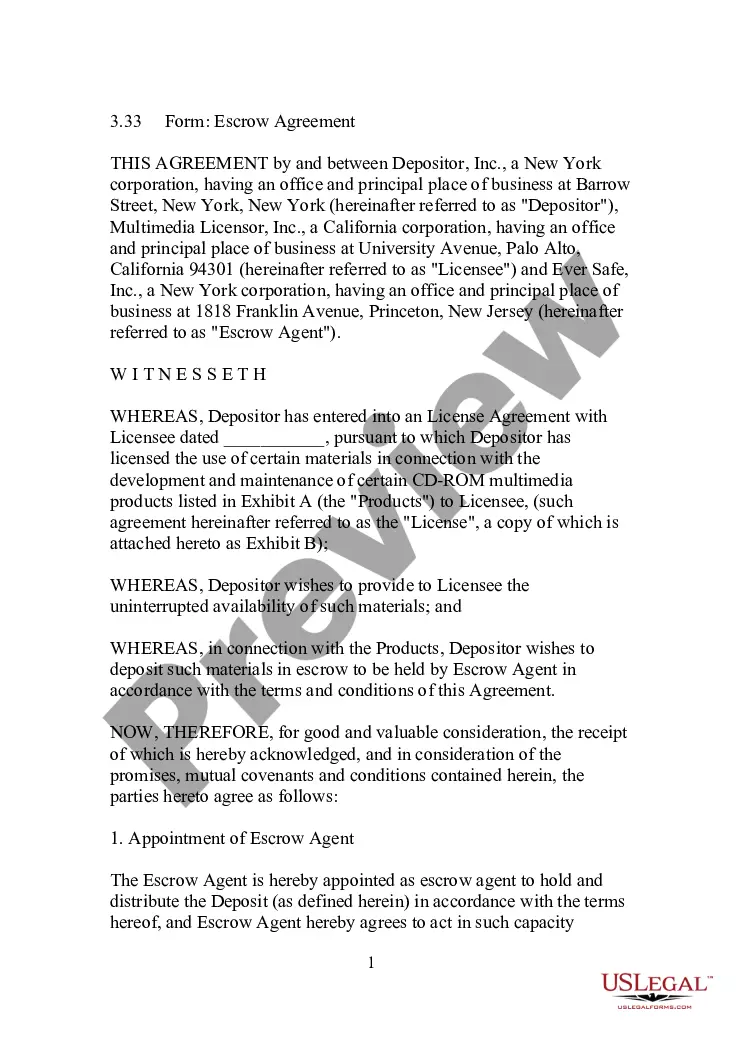
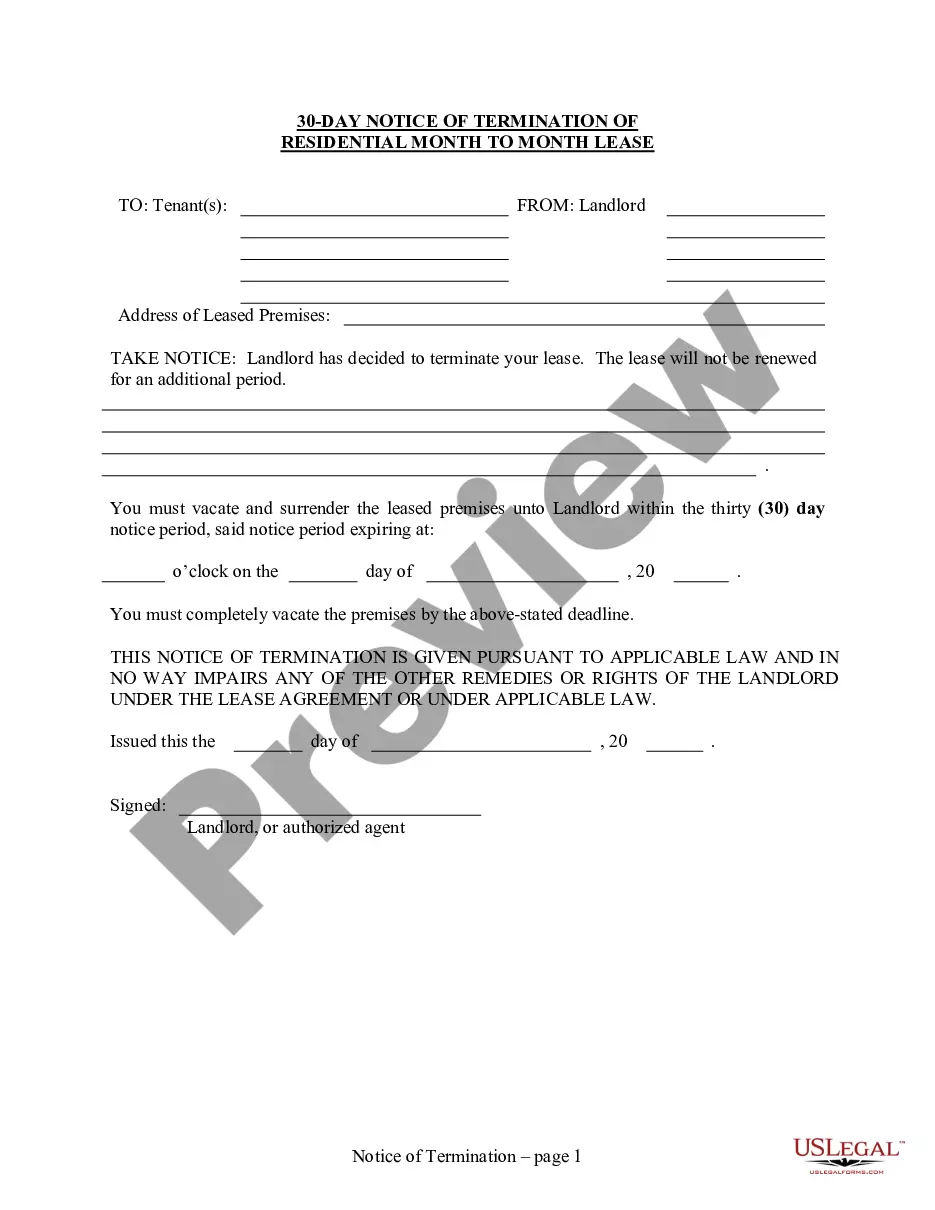


Form popularity
FAQ
The amendment — which voters overwhelmingly approved in November 2022 — requires judges to consider public safety when setting bail. The amendment also took power away from the Ohio Supreme Court to set rules on bail amounts or conditions and gave it to state lawmakers.
Most bond agreements include travel restrictions, confining you to a specific geographic area such as your county or state. These limitations are designed to ensure your availability for court dates. If travel is necessary, you must seek prior approval from the court or your bail bondsman.
On November 8, 2022, Ohio voters approved an amendment to Article I, Section 9 of the Ohio Constitution to eliminate the requirement that the amount and conditions of bail be Page 3 Office of Research and Drafting LSC Legislative Budget Office Page | 3 H.B. 191 Final Analysis established pursuant to Article IV, Section ...
California Penal Code Section 825 says that a person arrested in California must be brought before a judge within 48 hours to be charged or released. These rules prevent law enforcement from holding suspects indefinitely while providing sufficient time to collect evidence and decide whether to take the case forward.
Failing to post bond has several consequences: Extended Jail Time: You remain in custody until your court date, ranging from weeks to months. Court Appearances: Regular court appearances are required.
Understanding Bail and Detention Periods Even so, California law prohibits judges from denying bail because you can't afford it. Therefore, judges may release you on your “own recognizance,” which means you take responsibility for attending your trial dates without paying bail.
