Bail Exoneration Bond Form Ny In Cuyahoga
Description




Get your form ready online
Our built-in tools help you complete, sign, share, and store your documents in one place.
Make edits, fill in missing information, and update formatting in US Legal Forms—just like you would in MS Word.
Download a copy, print it, send it by email, or mail it via USPS—whatever works best for your next step.
Sign and collect signatures with our SignNow integration. Send to multiple recipients, set reminders, and more. Go Premium to unlock E-Sign.
If this form requires notarization, complete it online through a secure video call—no need to meet a notary in person or wait for an appointment.
We protect your documents and personal data by following strict security and privacy standards.

Make edits, fill in missing information, and update formatting in US Legal Forms—just like you would in MS Word.

Download a copy, print it, send it by email, or mail it via USPS—whatever works best for your next step.

Sign and collect signatures with our SignNow integration. Send to multiple recipients, set reminders, and more. Go Premium to unlock E-Sign.

If this form requires notarization, complete it online through a secure video call—no need to meet a notary in person or wait for an appointment.

We protect your documents and personal data by following strict security and privacy standards.
Looking for another form?
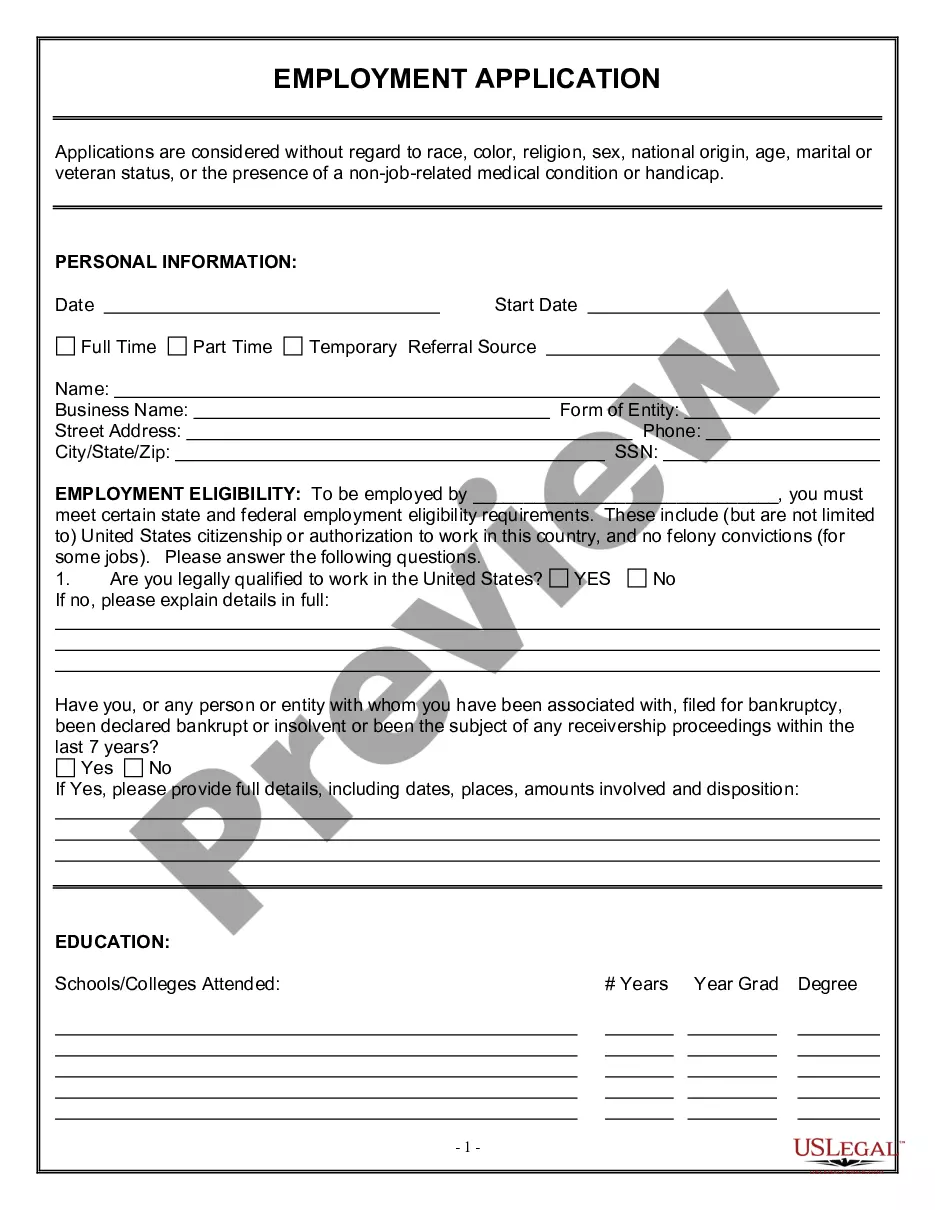



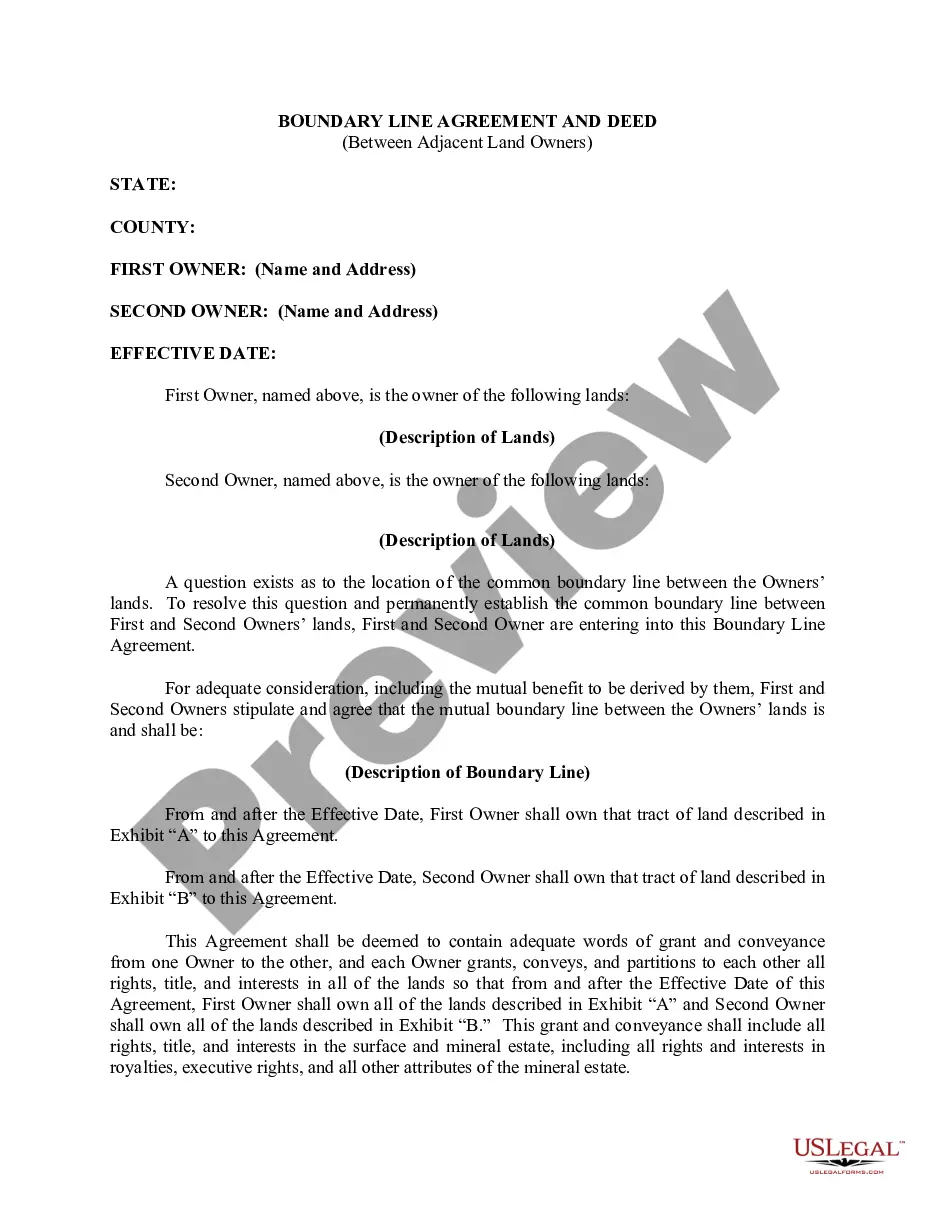




Form popularity
FAQ
The amendment — which voters overwhelmingly approved in November 2022 — requires judges to consider public safety when setting bail. The amendment also took power away from the Ohio Supreme Court to set rules on bail amounts or conditions and gave it to state lawmakers.
No - if you signed the bond it doesn't matter whether you have a job or not - or whether the bondsman asked you if you did. You are liable as surety on the bond - having a job or not has nothing to do with your liability. Sorry.
Bail information is considered public record in the State of California, meaning that anyone (not only defendants themselves) can request this info. The details can be accessed via the Public Access to Court Electronic Records (PACER) system or the Criminal Intake Section.
When Is Bail Set? Judges ordinarily set a bail amount at a suspect's first court appearance after an arrest, which may be either a bail hearing or an arraignment. Many judges adhere to standard practices based on the seriousness of the charges. For example, a judge might set bail at $500 for a nonviolent misdemeanor.
For example, in California, bail bond records are generally public and accessible via the Public Access to Court Electronic Records (PACER) system.
Bail information is considered public record in the State of California, meaning that anyone (not only defendants themselves) can request this info. The details can be accessed via the Public Access to Court Electronic Records (PACER) system or the Criminal Intake Section.
Termination of the obligation of bail has become known as “exoneration.” Once the criminal case is resolved (criminal proceedings terminated or the surrender of the defendant into custody), the depositor or surety is relieved of their obligation and is entitled to return of the deposit.
