Bail Exoneration Bond Form California In Broward
Description




Get your form ready online
Our built-in tools help you complete, sign, share, and store your documents in one place.
Make edits, fill in missing information, and update formatting in US Legal Forms—just like you would in MS Word.
Download a copy, print it, send it by email, or mail it via USPS—whatever works best for your next step.
Sign and collect signatures with our SignNow integration. Send to multiple recipients, set reminders, and more. Go Premium to unlock E-Sign.
If this form requires notarization, complete it online through a secure video call—no need to meet a notary in person or wait for an appointment.
We protect your documents and personal data by following strict security and privacy standards.

Make edits, fill in missing information, and update formatting in US Legal Forms—just like you would in MS Word.

Download a copy, print it, send it by email, or mail it via USPS—whatever works best for your next step.

Sign and collect signatures with our SignNow integration. Send to multiple recipients, set reminders, and more. Go Premium to unlock E-Sign.

If this form requires notarization, complete it online through a secure video call—no need to meet a notary in person or wait for an appointment.

We protect your documents and personal data by following strict security and privacy standards.
Looking for another form?



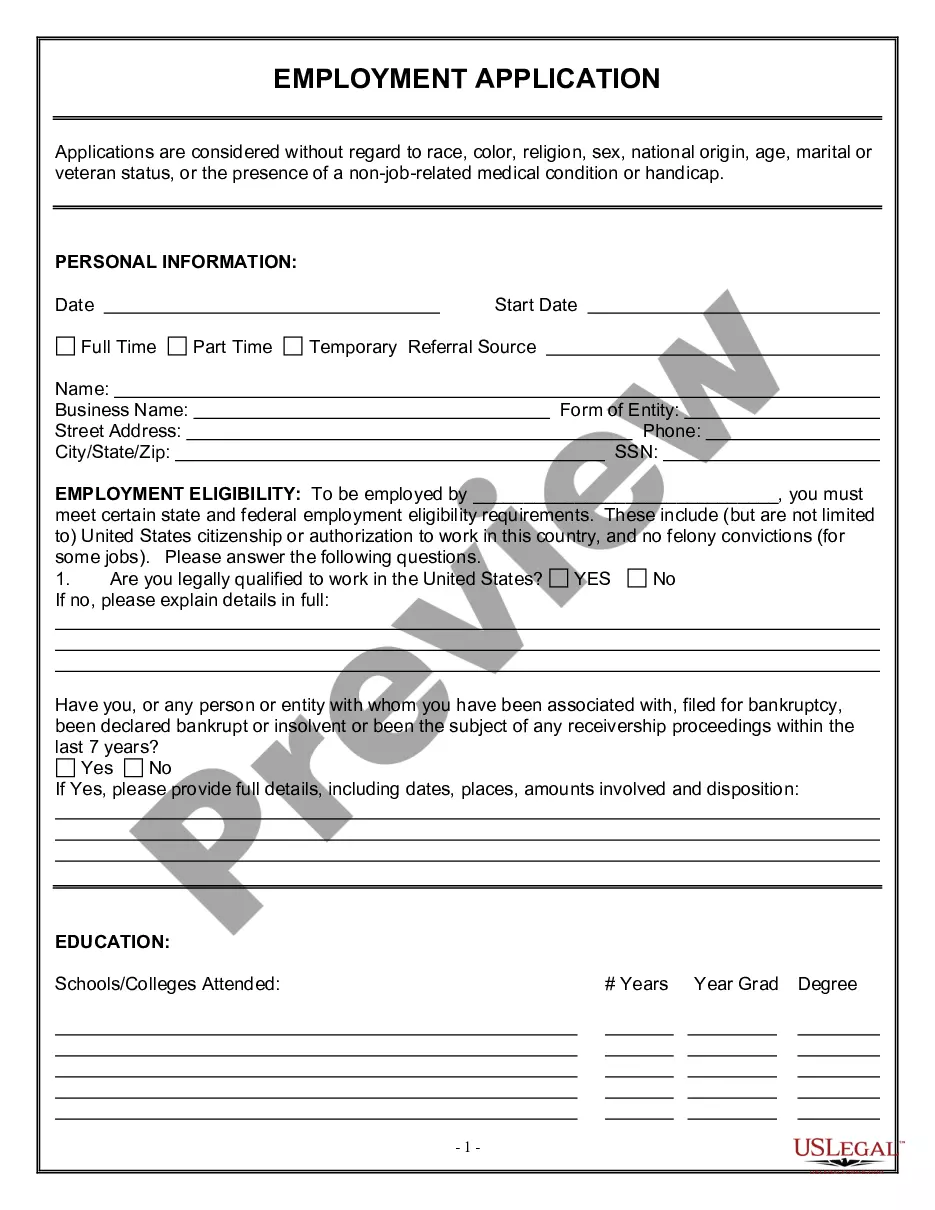
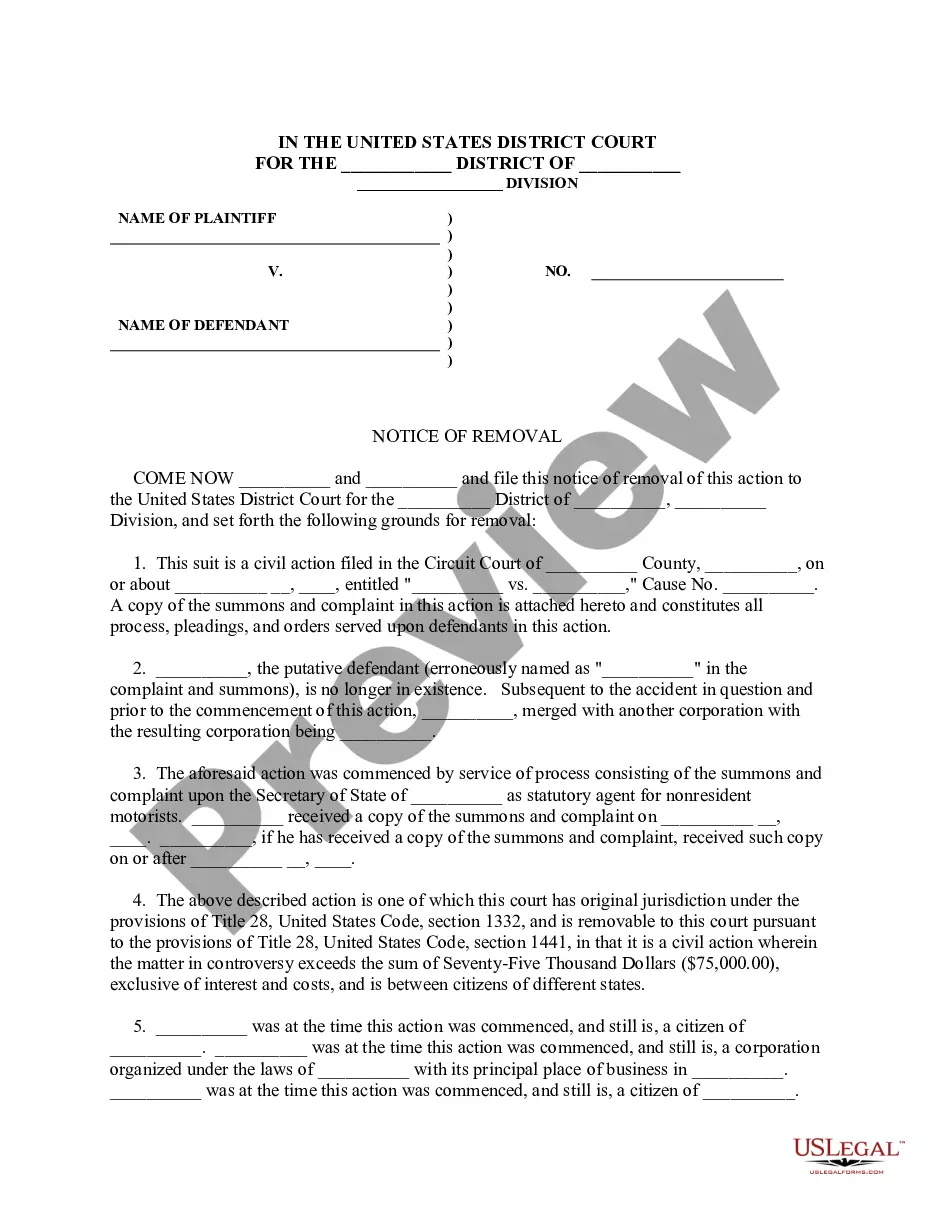

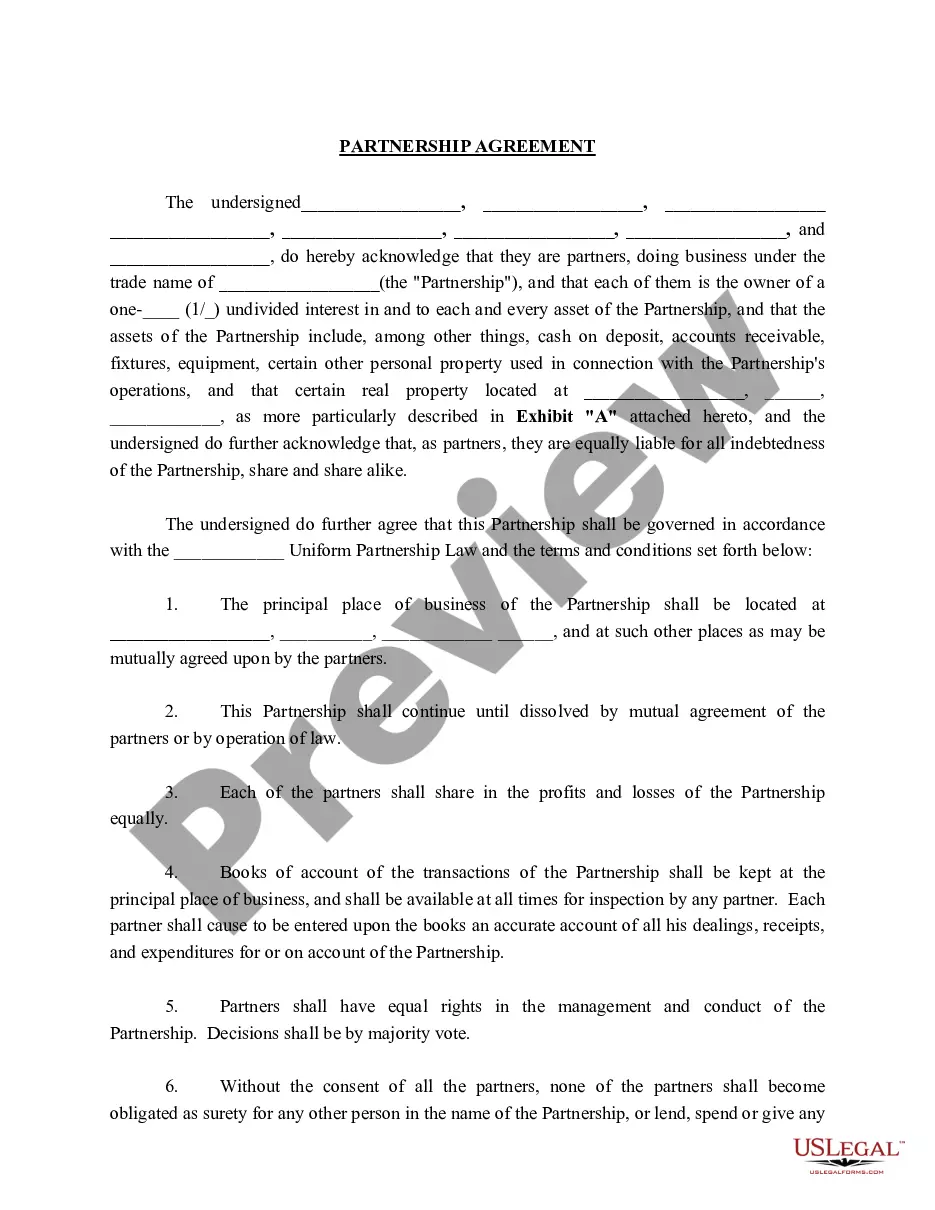


Form popularity
FAQ
For example, in California, bail bond records are generally public and accessible via the Public Access to Court Electronic Records (PACER) system.
When bail is exonerated it means you or the bail bondsman gets their deposit back from the court clerk. When the defendant is exonerated, it means the charges are dropped and the defendant is no longer suspected of any wrongdoing. Last but not least, it is possible for bail exonerations to be denied.
For example, in California, bail bond records are generally public and accessible via the Public Access to Court Electronic Records (PACER) system.
Exoneration of a surety bond takes place when the principal's obligations to the obligee are completely satisfied. In simple terms, once the terms of the bond have been met and there are no outstanding claims, the bond is considered exonerated, freeing the surety from any further responsibility.
Common Violations of Bail Conditions Failure to Appear in Court: Missing a scheduled court date is one of the most severe violations. Leaving the Jurisdiction: Traveling outside the allowed area without permission. Contacting Prohibited Individuals: Ignoring no-contact orders by reaching out to victims or witnesses.
Common violations include: Failure to Appear in Court: Missing a scheduled court date is one of the most severe violations. Leaving the Jurisdiction: Traveling outside the allowed area without permission. Contacting Prohibited Individuals: Ignoring no-contact orders by reaching out to victims or witnesses.
Steps Identify which condition you want to modify. The judge may have imposed many conditions as part of your bail. Tell your lawyer to file the motion. Talk with the prosecutor. Format your motion. Insert the caption. Title your motion. Add an introduction. Provide important background facts.
Good news! You will be able to apply for your bail bond directly online without needing to come into our office - available to you 24/7.
Jail Processing (2-12 hours) Once the bail is posted, the jail begins its release process. This involves verifying the bail with the court, completing internal paperwork, and conducting any necessary checks, such as warrant checks in other jurisdictions.
