Divorce With Alimony In Tarrant
Description

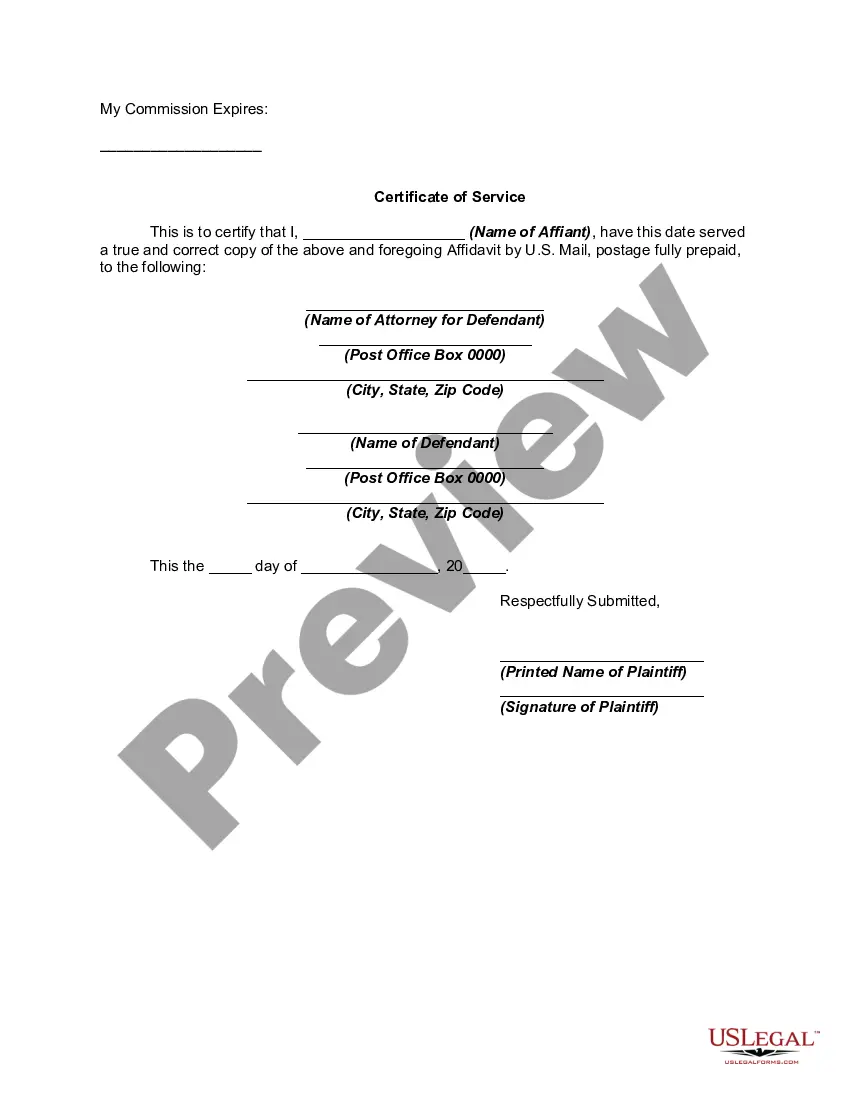




Get your form ready online
Our built-in tools help you complete, sign, share, and store your documents in one place.
Make edits, fill in missing information, and update formatting in US Legal Forms—just like you would in MS Word.
Download a copy, print it, send it by email, or mail it via USPS—whatever works best for your next step.
Sign and collect signatures with our SignNow integration. Send to multiple recipients, set reminders, and more. Go Premium to unlock E-Sign.
If this form requires notarization, complete it online through a secure video call—no need to meet a notary in person or wait for an appointment.
We protect your documents and personal data by following strict security and privacy standards.

Make edits, fill in missing information, and update formatting in US Legal Forms—just like you would in MS Word.

Download a copy, print it, send it by email, or mail it via USPS—whatever works best for your next step.

Sign and collect signatures with our SignNow integration. Send to multiple recipients, set reminders, and more. Go Premium to unlock E-Sign.

If this form requires notarization, complete it online through a secure video call—no need to meet a notary in person or wait for an appointment.

We protect your documents and personal data by following strict security and privacy standards.
Looking for another form?






Form popularity
FAQ
Strategies for potentially reducing or avoiding alimony payments in Texas include prenuptial agreements, negotiated divorce settlements, and leveraging fault grounds. An alternate arrangement with your spouse outside of court is considered the best option to avoid paying spousal support in Texas.
Unlike most other states, Texas law limits the amount of spousal maintenance that judges may award. Monthly payments may not exceed $5,000 or 20% of the supporting spouse's average monthly gross income, whichever is less. Monthly gross income includes income from all sources except: Social Security retirement benefits.
In Texas, some things can disqualify you from spousal support. These include: Cohabitation: If you live with someone else in a marriage-like relationship, you may be disqualified for spousal support. Remarriage: If you remarry before your spousal support obligation ends, you may be disqualified for further payments.
The person asking for alimony must show the court that he or she needs financial support, and that the other spouse has the ability to provide financial support.
Here's how to qualify for alimony in Texas, a couple has to have been married for at least 10 years, and the spouse requesting alimony cannot reasonably meet their needs financial (about $18,0000 per year).
Texas law sets forth general guidelines for calculating spousal maintenance, including limitations on the amount and duration of payments. The court-ordered monthly amount of spousal maintenance can be at most $5,000 or 20% of the paying spouse's average monthly gross income, and whichever is lower of those two.
California Alimony California determines alimony based on the recipient's “marital standard of living,” which aims to allow the spouse to continue living in a similar manner as during the marriage.
The person asking for alimony must show the court that he or she needs financial support, and that the other spouse has the ability to provide financial support.
Texas is one of the most difficult states to win alimony in a divorce. While it is possible to win alimony or spousal support in court, it is much more likely to receive alimony through a private contract created as part of the divorce settlement.
