Spouse Application File For Divorce In Santa Clara
Description

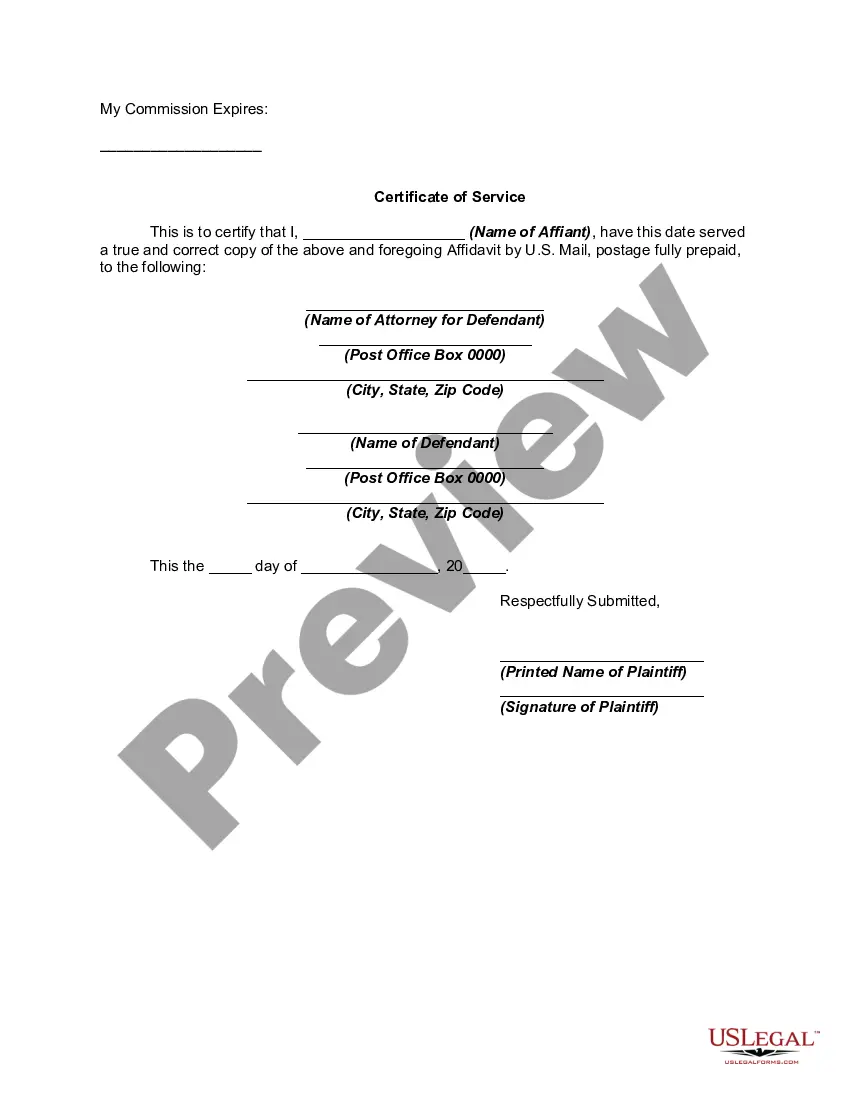




Get your form ready online
Our built-in tools help you complete, sign, share, and store your documents in one place.
Make edits, fill in missing information, and update formatting in US Legal Forms—just like you would in MS Word.
Download a copy, print it, send it by email, or mail it via USPS—whatever works best for your next step.
Sign and collect signatures with our SignNow integration. Send to multiple recipients, set reminders, and more. Go Premium to unlock E-Sign.
If this form requires notarization, complete it online through a secure video call—no need to meet a notary in person or wait for an appointment.
We protect your documents and personal data by following strict security and privacy standards.

Make edits, fill in missing information, and update formatting in US Legal Forms—just like you would in MS Word.

Download a copy, print it, send it by email, or mail it via USPS—whatever works best for your next step.

Sign and collect signatures with our SignNow integration. Send to multiple recipients, set reminders, and more. Go Premium to unlock E-Sign.

If this form requires notarization, complete it online through a secure video call—no need to meet a notary in person or wait for an appointment.

We protect your documents and personal data by following strict security and privacy standards.
Looking for another form?




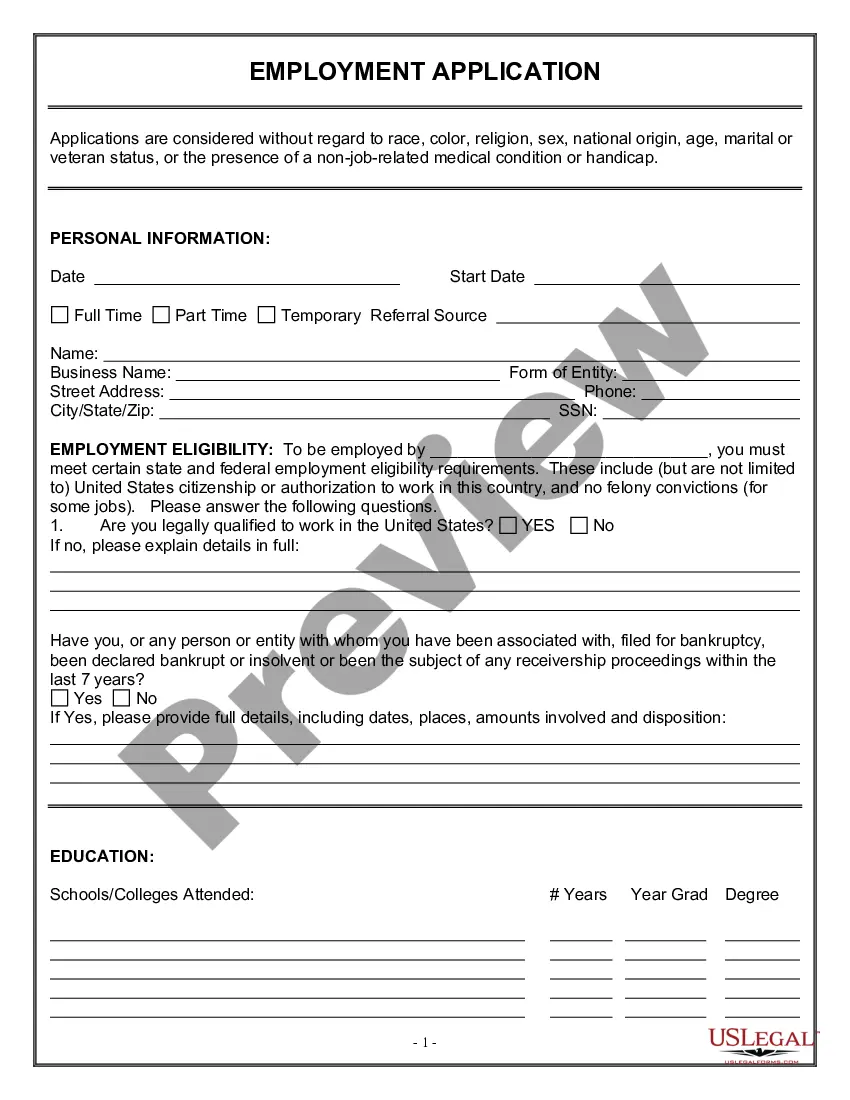





Form popularity
FAQ
You can get a divorce without a lawyer. Your court's Self-Help Center staff can help you with forms and offer legal information. If you have a lot of property or debt, you can hire a lawyer to help with all or part of your case.
DIY Divorce Process in California Check Your Compliance With the Residency Requirements. Collect the Court Papers. File the Paperwork With the Court. Serve Your Spouse. Wait for the Response. Complete Preliminary Financial Disclosure. Draft a Settlement Agreement and a Parenting Plan. Obtain the Final Judgment.
Getting a divorce takes at least 6 months. There are 4 major parts of the process and they are the same for couples who are married and for those in a domestic partnership. It's the same process to get a legal separation.
DIY Divorce Process in California Check Your Compliance With the Residency Requirements. Collect the Court Papers. File the Paperwork With the Court. Serve Your Spouse. Wait for the Response. Complete Preliminary Financial Disclosure. Draft a Settlement Agreement and a Parenting Plan. Obtain the Final Judgment.
The divorce process Part 1: Start a divorce case. One spouse (or domestic partner) files papers to start the case and officially lets the other spouse know. Part 2: Share financial information. Part 3: Make decisions. Part 4: Finalize the divorce.
In every state in the US, you do not need to obtain permission from your spouse to obtain a civil divorce. The judge will sign the final paper, making the parties single, whether one party likes it or not. The process is to file, serve, litigate any issues (other than actual divorce), and get a judgment of divorce.
A: The quickest and least expensive way to get a divorce in California is to have an uncontested divorce. This means that both parties are amicable and able to reach a reasonable agreement on the terms of the divorce. The process can take much longer if one or both parties are unwilling to come to an agreement.
Stay calm. Talk to your spouse. Try to understand what made your spouse come to this decision. Talk about how you will pace yourselves as you move toward divorce. Consider nesting for a period of time if you have children. Discuss a non-adversarial process. Accept and let go.
Yes, you can file without your husband's knowledge and consent. You have a constitutional right to marry whomever you like, with some narrow exceptions (eg some minors, some people you are related to, same sex persons in some states, etc.). You have about the same right to divorce, pretty much at will.
