Alimony And Child Support In Ny In Wayne
Description











Form popularity
FAQ
In most cases, if a spouse can work and their former spouse cannot afford to provide spousal support, the court can deny alimony. It is pertinent to note that New York is a no-fault divorce state, meaning both parties could cite fault grounds, however, it will not affect whether a spouse is granted spousal maintenance.
You can get Spousal Support through Family Court. A Support Magistrate will handle your case – not a Judge. Support Magistrates only hear Child Support and Spousal Support cases. It isn't necessary for you to have a lawyer in Family Court, but you can get one if you want.
Typically, the judge will take 20% of the lower-earning spouse's income and subtract that number from 30% of the higher-earning spouse's income. For example, one spouse makes $100,000, and the other makes $20,000. Thirty percent of $100,000 is $30,000, and 20% of $20,000 is $4,000.
Non-durational alimony in New York will end if either spouse dies or the payee spouse remarries. It can also end if there are changes in the quality of life of either the payor or the payee spouse.
In most cases, if a spouse can work and their former spouse cannot afford to provide spousal support, the court can deny alimony. It is pertinent to note that New York is a no-fault divorce state, meaning both parties could cite fault grounds, however, it will not affect whether a spouse is granted spousal maintenance.
New York Spousal support rules do take into account spouses who are not in the workforce full-time at the time of the divorce. Typically, they are not expected to get a job right away but neither can they refuse to work full-time and simply receive spousal support for years.
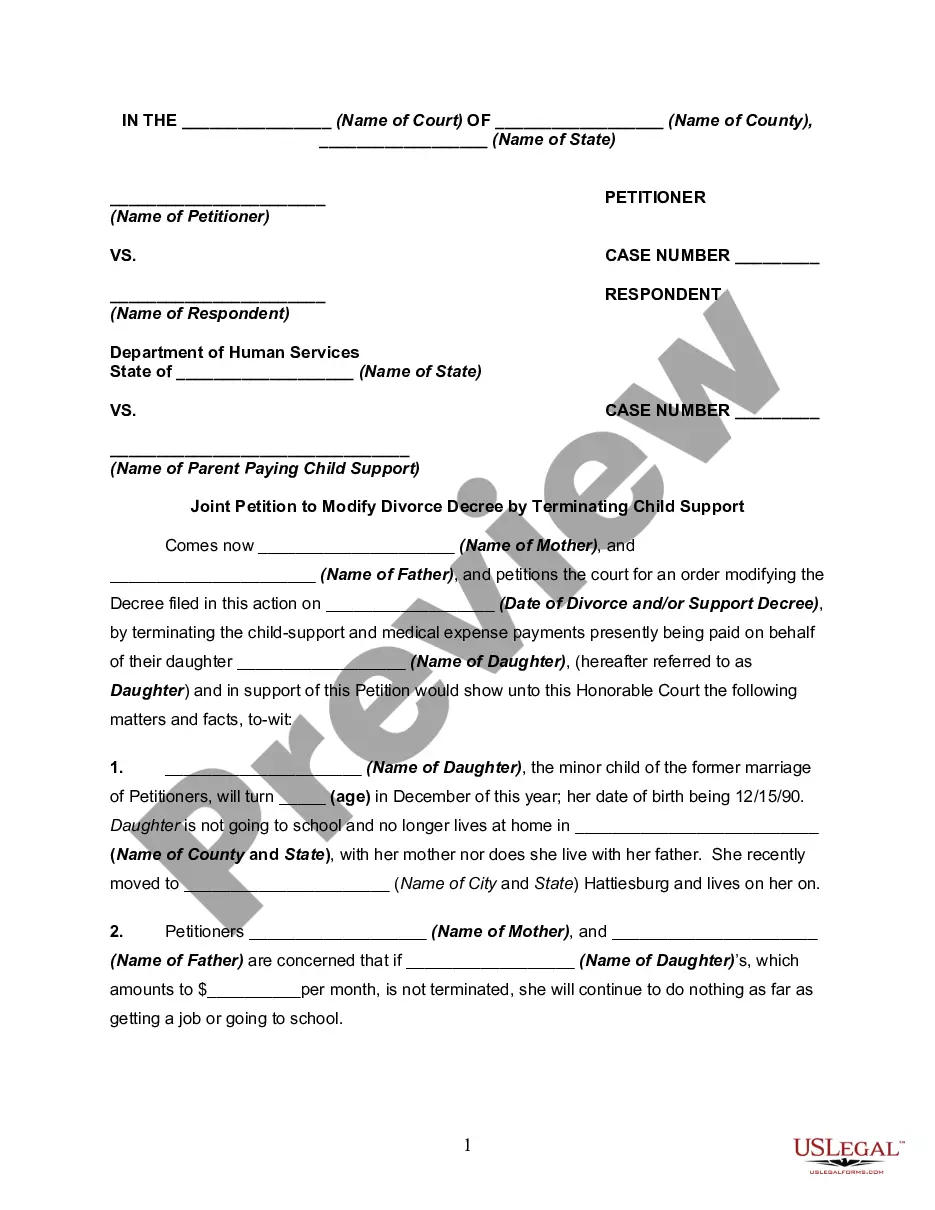
Take your time and read each question carefully. If you're unsure about any information consult aMoreTake your time and read each question carefully. If you're unsure about any information consult a legal professional or your local Child Support Agency. Once completed review your forms for accuracy.
A: Alimony can be suspended or terminated in the event that the recipient is cohabitating with someone in a relationship akin to marriage. These are complex cases that require a careful approach. Your brother should have a consultation with a qualified matrimonial attorney immediately.
Child support is never deductible and isn't considered income. Additionally, if a divorce or separation instrument provides for alimony and child support, and the payer spouse pays less than the total required, the payments apply to child support first. Only the remaining amount is considered alimony.
Not all divorces qualify for alimony. Courts consider factors like the length of marriage, income disparity between spouses, and ability to be self-sufficient. Generally, the higher-earning spouse supports the lower-earning spouse to maintain their pre-divorce standard of living.
