Affidavit Of Surviving Spouse Form In Virginia
Description
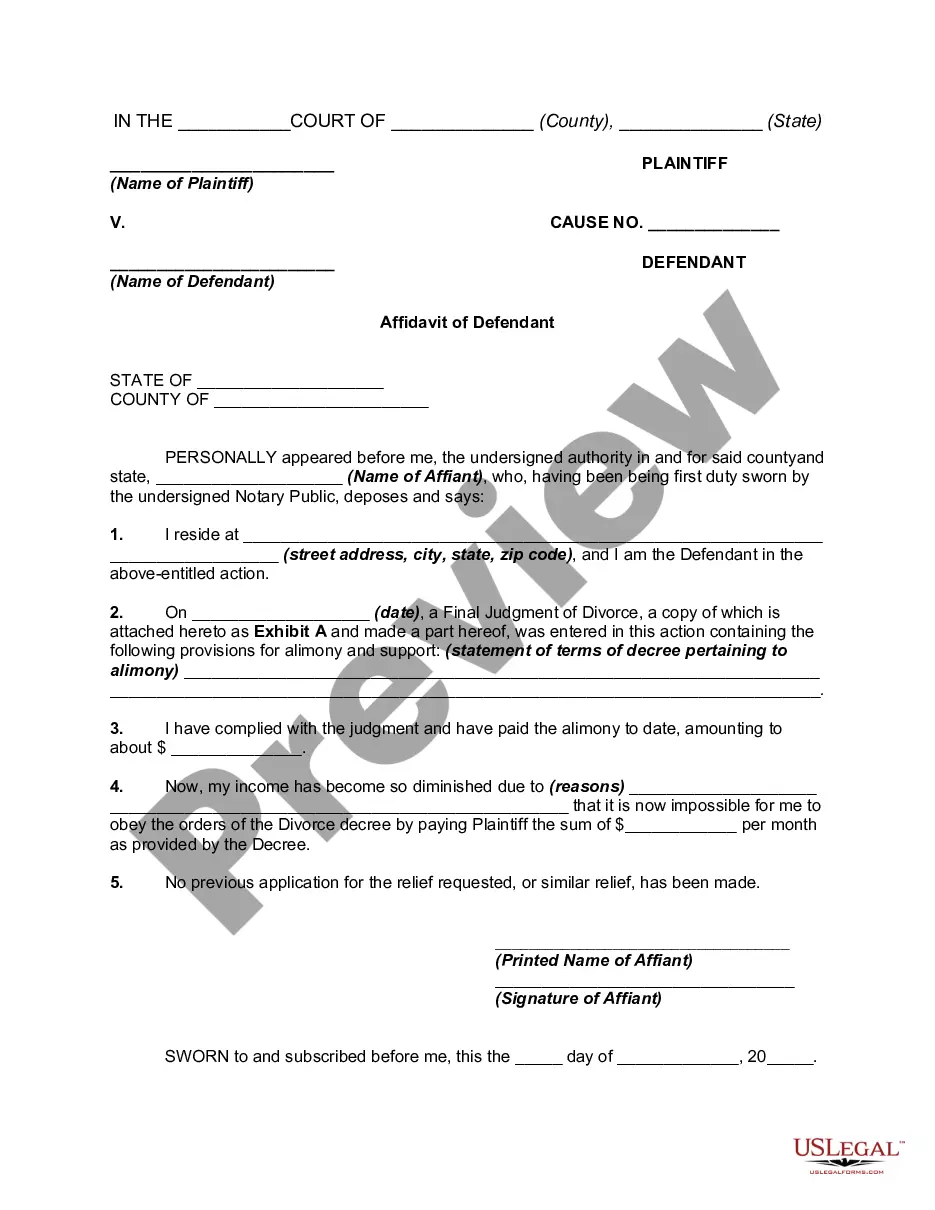
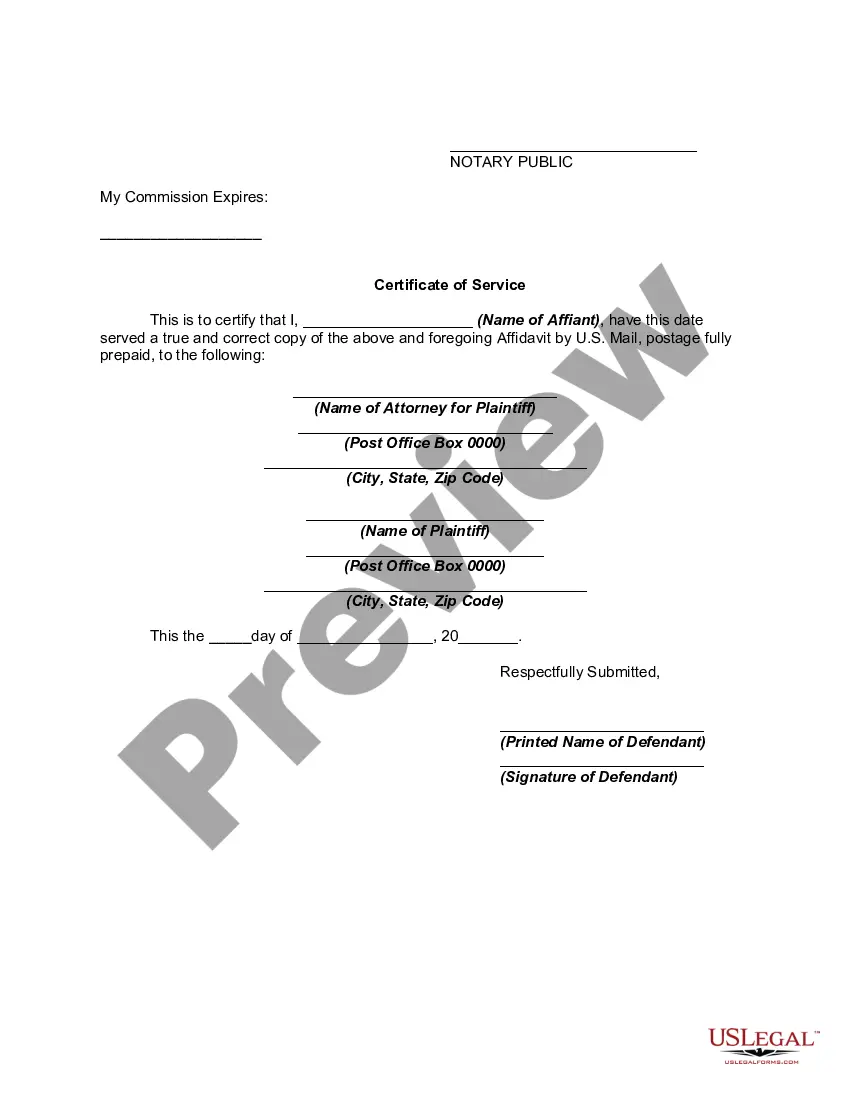
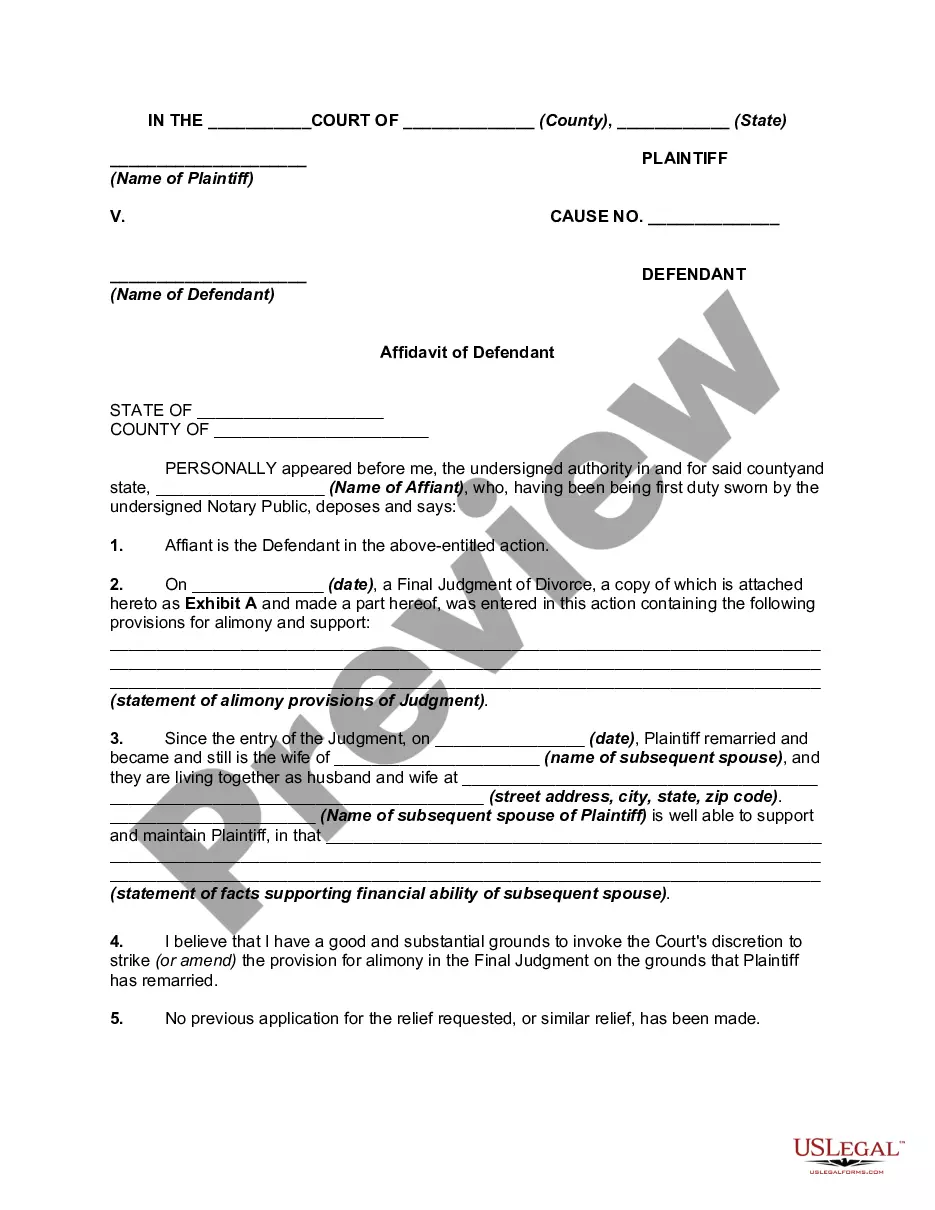
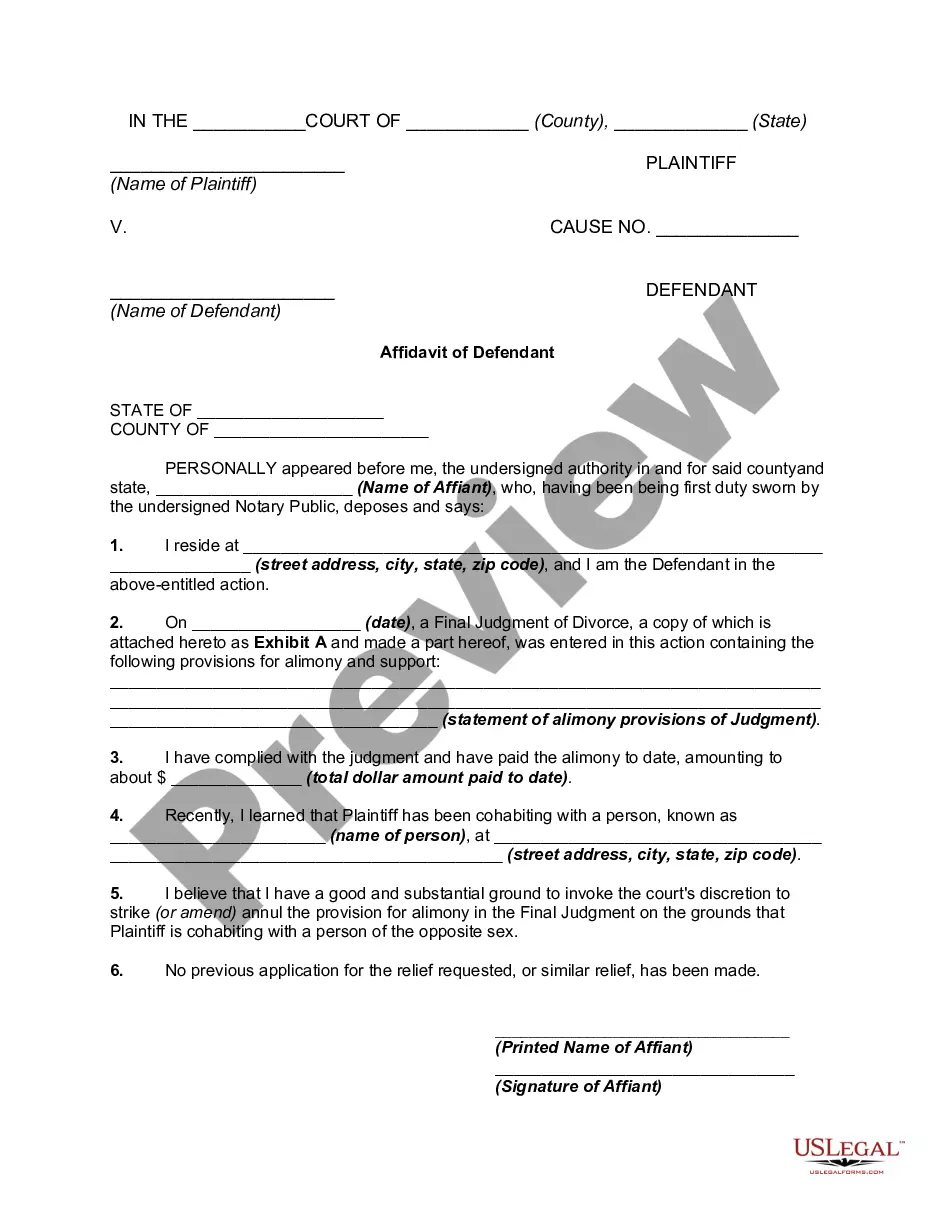
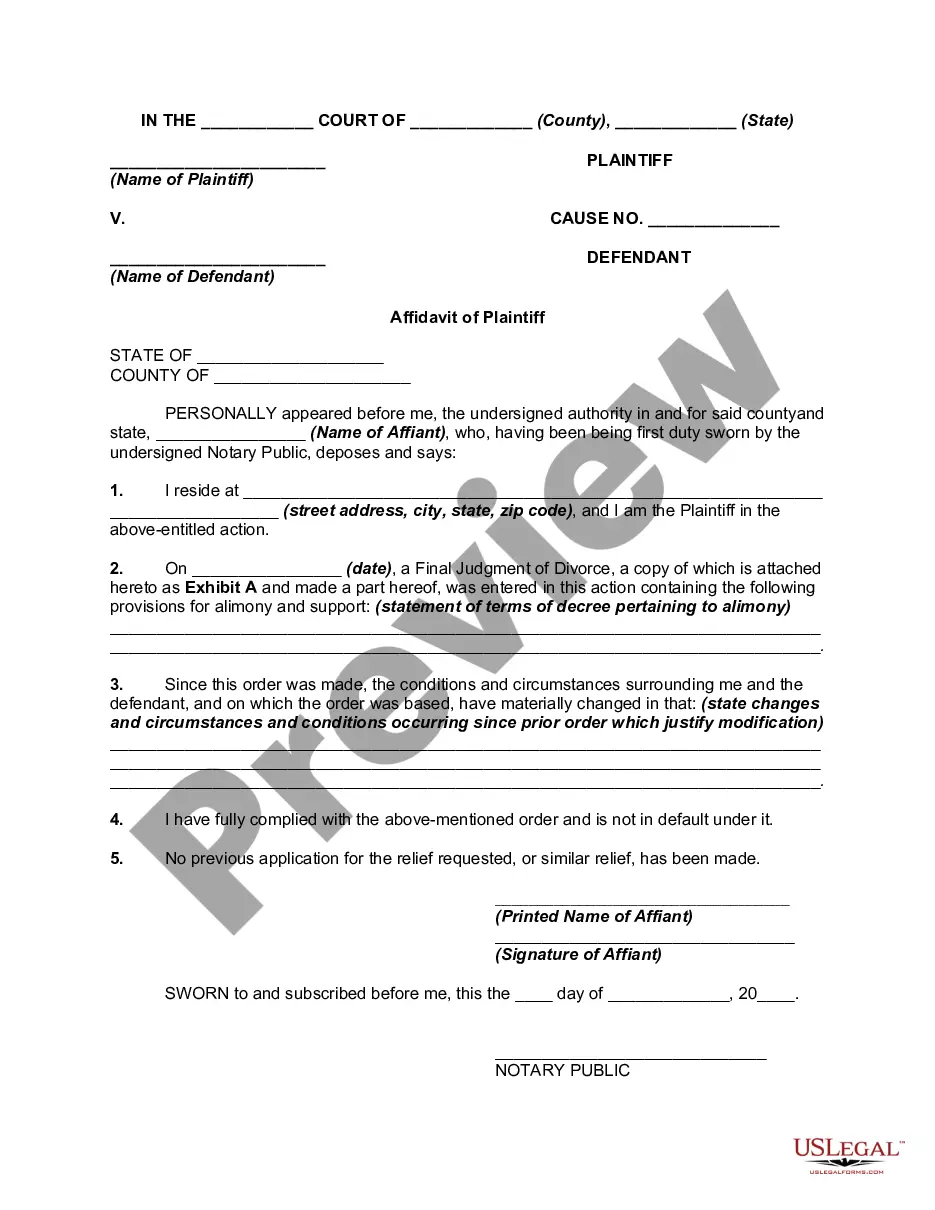
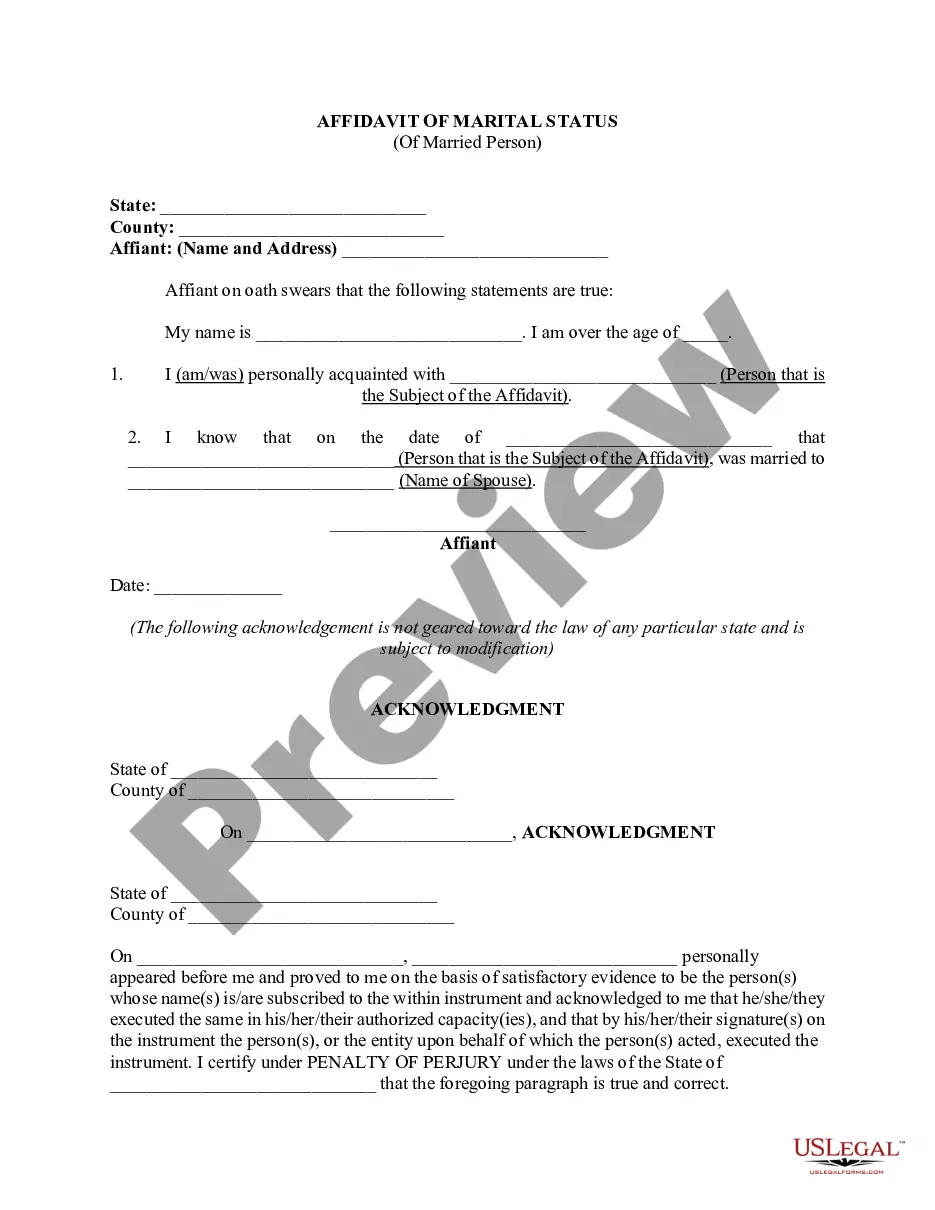
Get your form ready online
Our built-in tools help you complete, sign, share, and store your documents in one place.
Make edits, fill in missing information, and update formatting in US Legal Forms—just like you would in MS Word.
Download a copy, print it, send it by email, or mail it via USPS—whatever works best for your next step.
Sign and collect signatures with our SignNow integration. Send to multiple recipients, set reminders, and more. Go Premium to unlock E-Sign.
If this form requires notarization, complete it online through a secure video call—no need to meet a notary in person or wait for an appointment.
We protect your documents and personal data by following strict security and privacy standards.

Make edits, fill in missing information, and update formatting in US Legal Forms—just like you would in MS Word.

Download a copy, print it, send it by email, or mail it via USPS—whatever works best for your next step.

Sign and collect signatures with our SignNow integration. Send to multiple recipients, set reminders, and more. Go Premium to unlock E-Sign.

If this form requires notarization, complete it online through a secure video call—no need to meet a notary in person or wait for an appointment.

We protect your documents and personal data by following strict security and privacy standards.
Looking for another form?
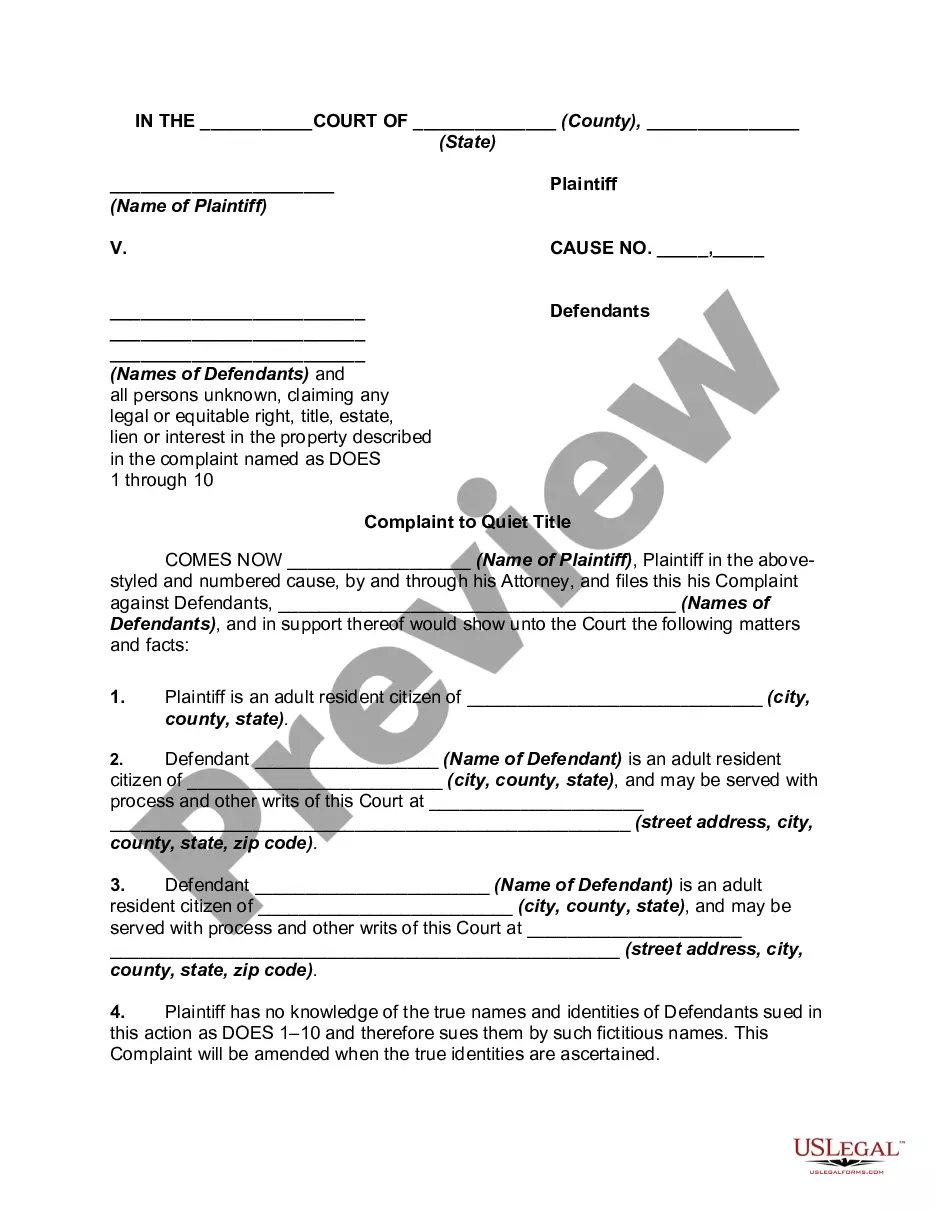
Form popularity
FAQ
A preference beneficiary affidavit is a legal document used to designate a preference beneficiary for a person's estate. This document allows a person to designate a specific individual to receive their assets if they pass away.
Box indicating your relationship to the decedent. You may select executor administration heir orMoreBox indicating your relationship to the decedent. You may select executor administration heir or survivor. Next enter the full name of the decedent. On this portion mark the appropriate.
Step 1: Decide what the title of your affidavit will be. Step 2: Put the name and personal background information of the person giving the information in the first paragraph. Step 3: Write an opening sentence in the first person tense. Step 4: Make an outline of the information given or state the facts of the case.
How to write a general affidavit? Title your affidavit. Don't forget to list any relevant contact or identification information that you may need to include in the heading. Write your statement. Verify that your information is true. Finalize and notarize.
What is required for an affidavit of heirship? Name, address, and date of death of the decedent. Whether the deceased person was ever married. Names of the surviving heirs. Statement that the deceased did not leave a will. Statement that you are an heir under your state intestacy law.
The following are six critical sections that must be included: Title. This is either your name (“Affidavit of Jane Doe”) or the specific case information. Statement of identity. The next paragraph tells the court about yourself. Statement of truth. Statement of facts. Closing statement of truth. Sign and notarize.
A: The following persons are entitled to receive notice of probate: the surviving spouse of the decedent, if any; all heirs at law of the decedent, whether or not there is a will; all living and ascertained beneficiaries under the will of the decedent and the beneficiaries of any trust created by the will; and.
An affidavit of heirship is a legal document used to transfer property left by a deceased individual. Typically completed by a family member or close friend of the deceased, this person must have family knowledge and be able to verify the identities of heirs.
The form is fairly straightforward and requires the following information: Name, address, and date of death of the decedent. Whether the deceased person was ever married. Names of the surviving heirs. Statement that the deceased did not leave a will. Statement that you are an heir under your state intestacy law.
You may find this form on your state court website or through the court clerk's office, or you may need to have an attorney or legal services firm create one for you. The form is fairly straightforward and requires the following information: Name, address, and date of death of the decedent.