Affidavit Of Surviving Spouse Sss Form In Texas
Description
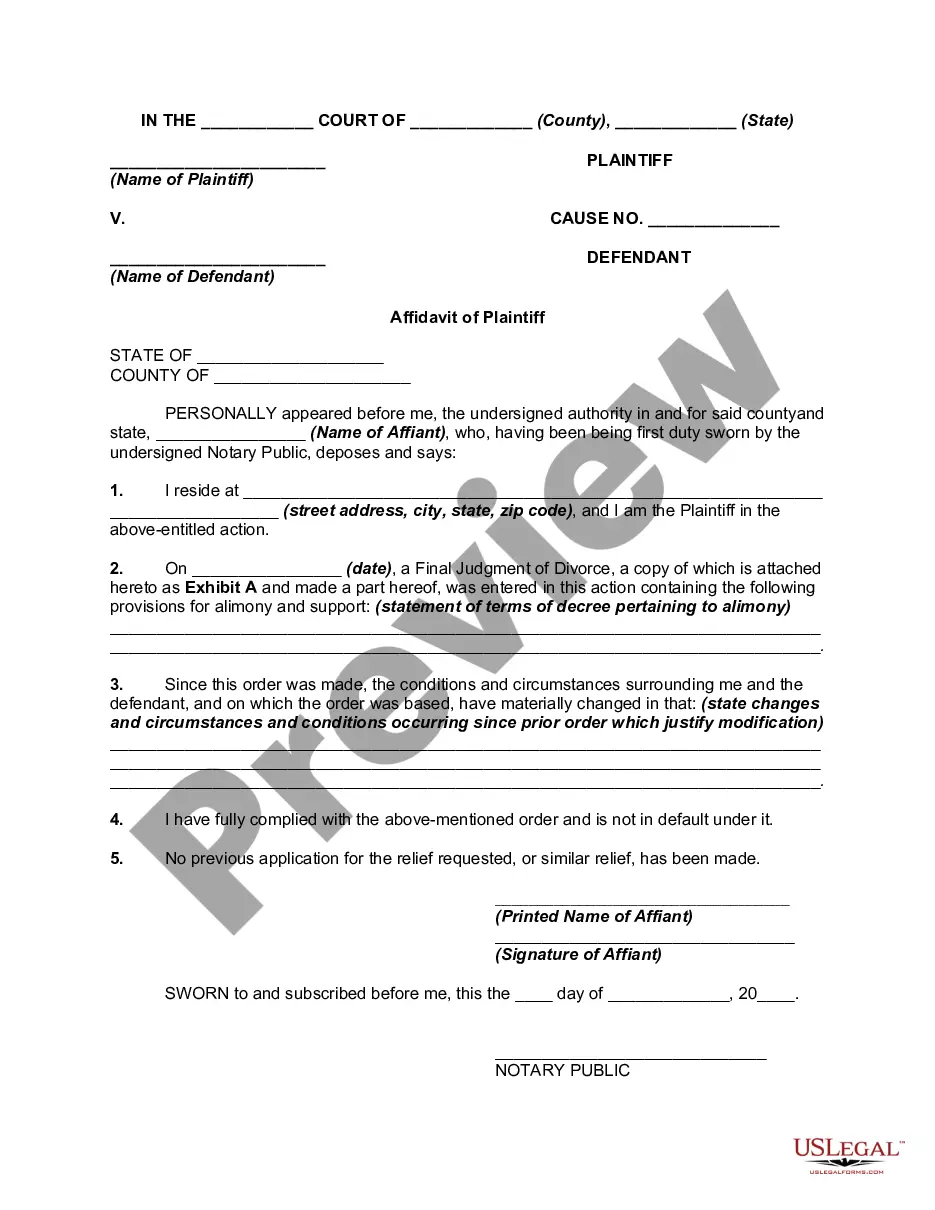
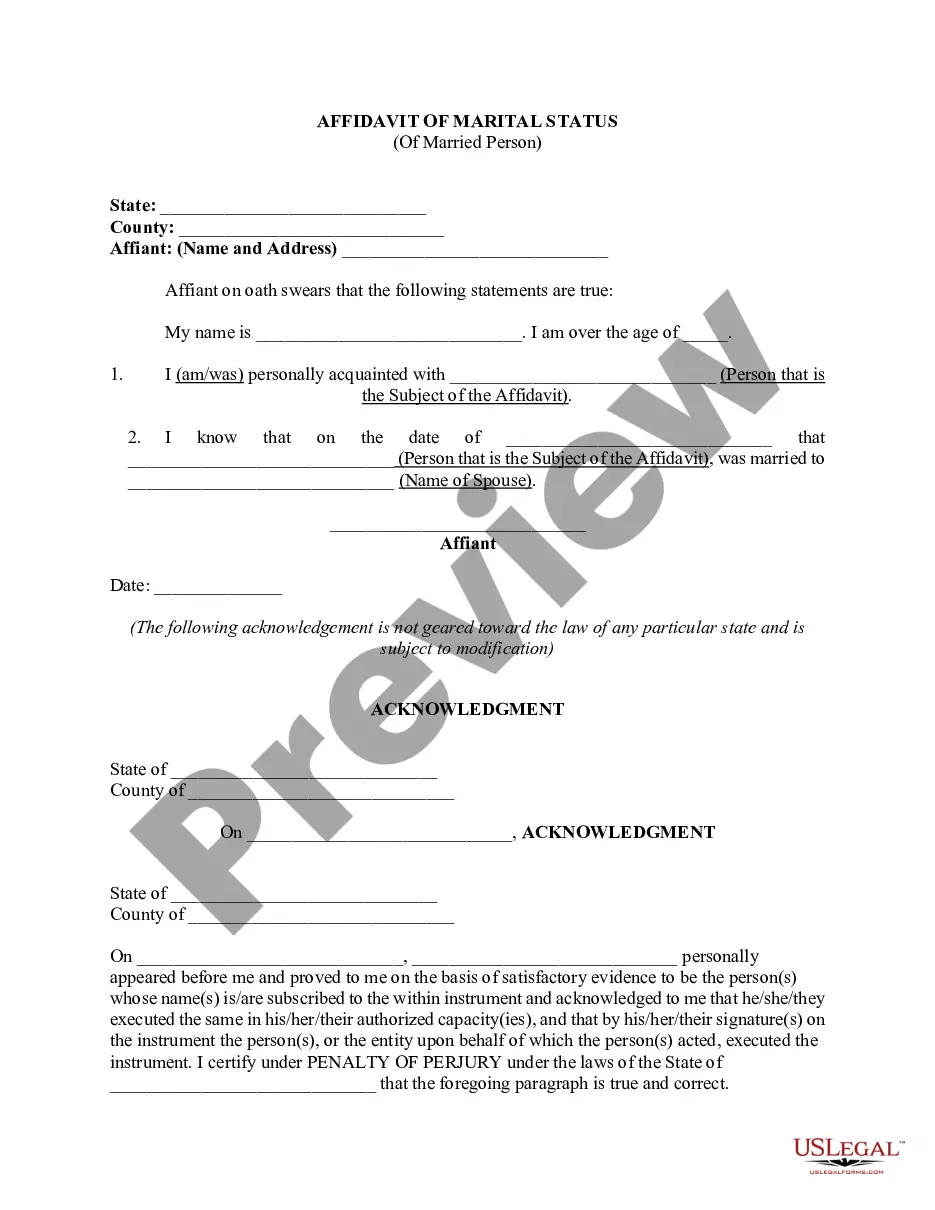
Get your form ready online
Our built-in tools help you complete, sign, share, and store your documents in one place.
Make edits, fill in missing information, and update formatting in US Legal Forms—just like you would in MS Word.
Download a copy, print it, send it by email, or mail it via USPS—whatever works best for your next step.
Sign and collect signatures with our SignNow integration. Send to multiple recipients, set reminders, and more. Go Premium to unlock E-Sign.
If this form requires notarization, complete it online through a secure video call—no need to meet a notary in person or wait for an appointment.
We protect your documents and personal data by following strict security and privacy standards.

Make edits, fill in missing information, and update formatting in US Legal Forms—just like you would in MS Word.

Download a copy, print it, send it by email, or mail it via USPS—whatever works best for your next step.

Sign and collect signatures with our SignNow integration. Send to multiple recipients, set reminders, and more. Go Premium to unlock E-Sign.

If this form requires notarization, complete it online through a secure video call—no need to meet a notary in person or wait for an appointment.

We protect your documents and personal data by following strict security and privacy standards.
Looking for another form?
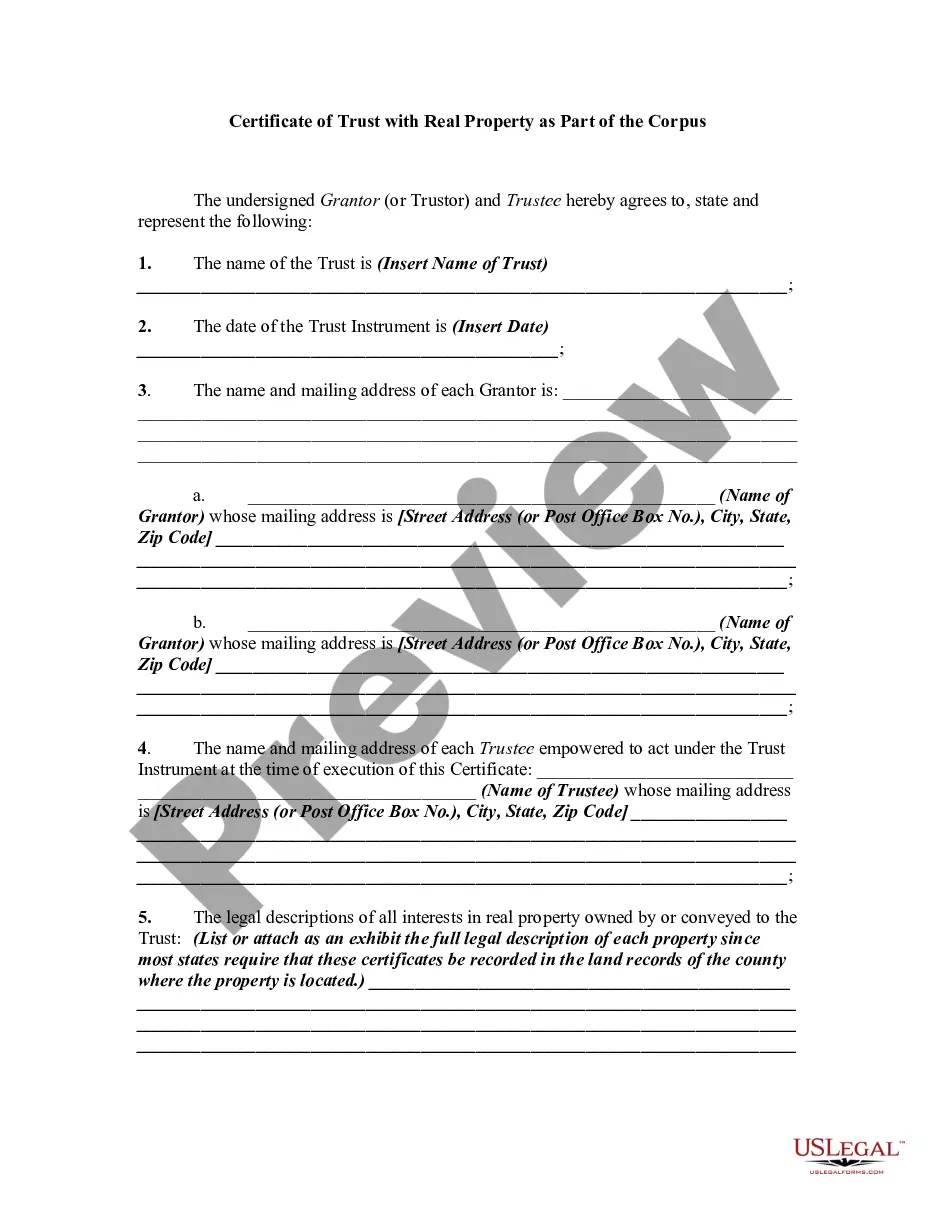
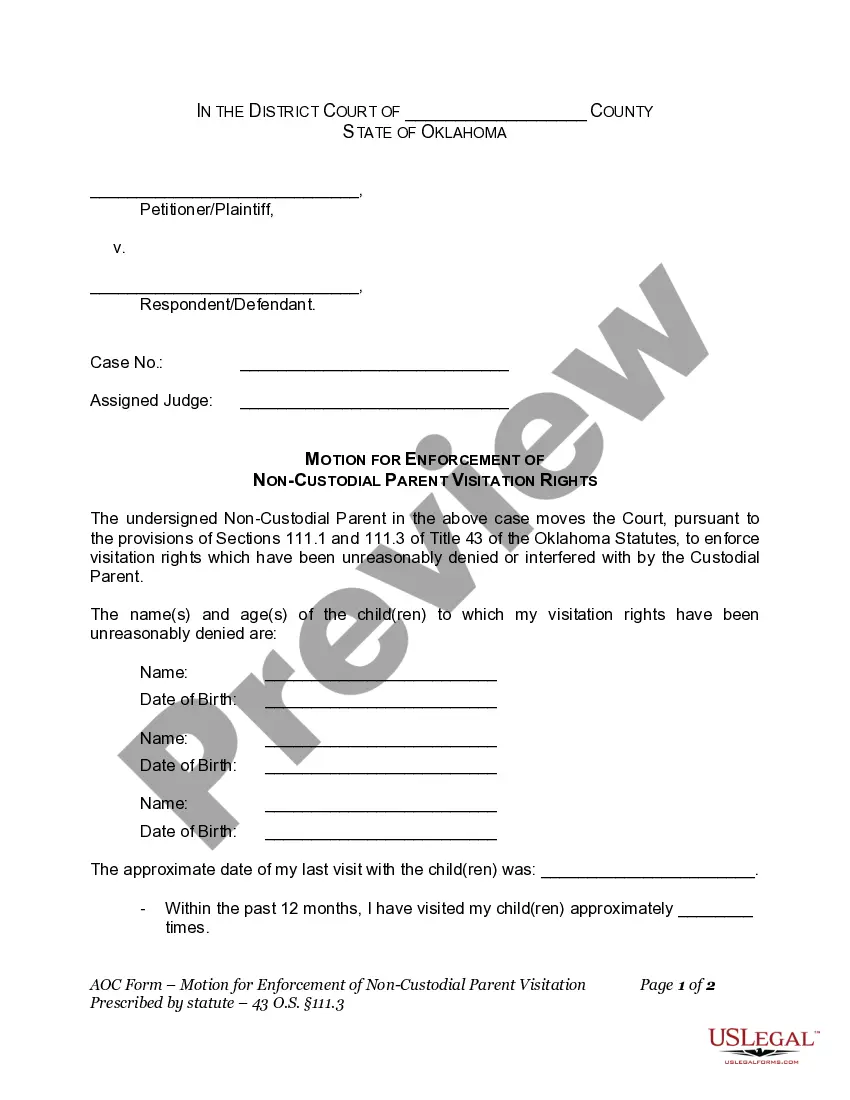
Form popularity
FAQ
The Texas affidavit of heirship form must be filled out and filed on behalf of a decedent's heir and can not be completed by the heir. Instead, two disinterested parties who know the necessary details about a decedent's family life need to fill out the form.
NAME OF. DECEDENT: DATE OF. DEATH. Name of Former Spouse Date of Death Date of Divorce Place of Death or Place of Divorce If deceased, were they married to Decedent at time of death? Name of Child. Date of. Birth. Name of Adopted Child. Date of. Adoption. Name of Relative. Relationship. Age. Relative(s) Name. Relationship. Age.
How to Write an Affidavit of Survivorship List the State and County. Include Your Name and Current Address. Identify the Property by Date of Deed, Address, and Instrument Number. Include a Legal Description of the Property. Affirm Your Joint Ownership of the Property with the Decedent.
Probate is necessary for a surviving spouse in Texas if the deceased owned separate property, had children from a previous relationship, or left assets solely in their name. Texas community property laws grant surviving spouses automatic ownership of half the marital assets, but the deceased's half may require probate.
It should list all real estate owned by the deceased owner. Marriage history is required, including the names of each spouse and the status of each marriage. A spouse may or may not be the heir of the deceased. The names, date of birth, current address of each child is required.
In order to qualify as a valid Heirship Affidavit, the document needs to be signed in front of a notary public by three people that knew the deceased for at least 10 years. It can be signed in front of a notary anywhere in the world. It does not have to be signed at the same time or at the same place.
The form is fairly straightforward and requires the following information: Name, address, and date of death of the decedent. Whether the deceased person was ever married. Names of the surviving heirs. Statement that the deceased did not leave a will. Statement that you are an heir under your state intestacy law.
The legal effect of the affidavit of heirship is that it creates a clean chain of title transfer to the decedent's heirs. Usually, a title company will accept the affidavit to show the chain of title for purposes of selling the real property, but the heirs should check with their title company to be sure.
In non-community-property states, a formal right of survivorship agreement or deed is required to give a spouse survivorship rights. You'll need to request the form from your county clerk or draft a document detailing the following about the property: Whether right of survivorship exists.
You may find this form on your state court website or through the court clerk's office, or you may need to have an attorney or legal services firm create one for you. The form is fairly straightforward and requires the following information: Name, address, and date of death of the decedent.