Surviving Spouse Requirements
Description





Get your form ready online
Our built-in tools help you complete, sign, share, and store your documents in one place.
Make edits, fill in missing information, and update formatting in US Legal Forms—just like you would in MS Word.
Download a copy, print it, send it by email, or mail it via USPS—whatever works best for your next step.
Sign and collect signatures with our SignNow integration. Send to multiple recipients, set reminders, and more. Go Premium to unlock E-Sign.
If this form requires notarization, complete it online through a secure video call—no need to meet a notary in person or wait for an appointment.
We protect your documents and personal data by following strict security and privacy standards.

Make edits, fill in missing information, and update formatting in US Legal Forms—just like you would in MS Word.

Download a copy, print it, send it by email, or mail it via USPS—whatever works best for your next step.

Sign and collect signatures with our SignNow integration. Send to multiple recipients, set reminders, and more. Go Premium to unlock E-Sign.

If this form requires notarization, complete it online through a secure video call—no need to meet a notary in person or wait for an appointment.

We protect your documents and personal data by following strict security and privacy standards.
Looking for another form?


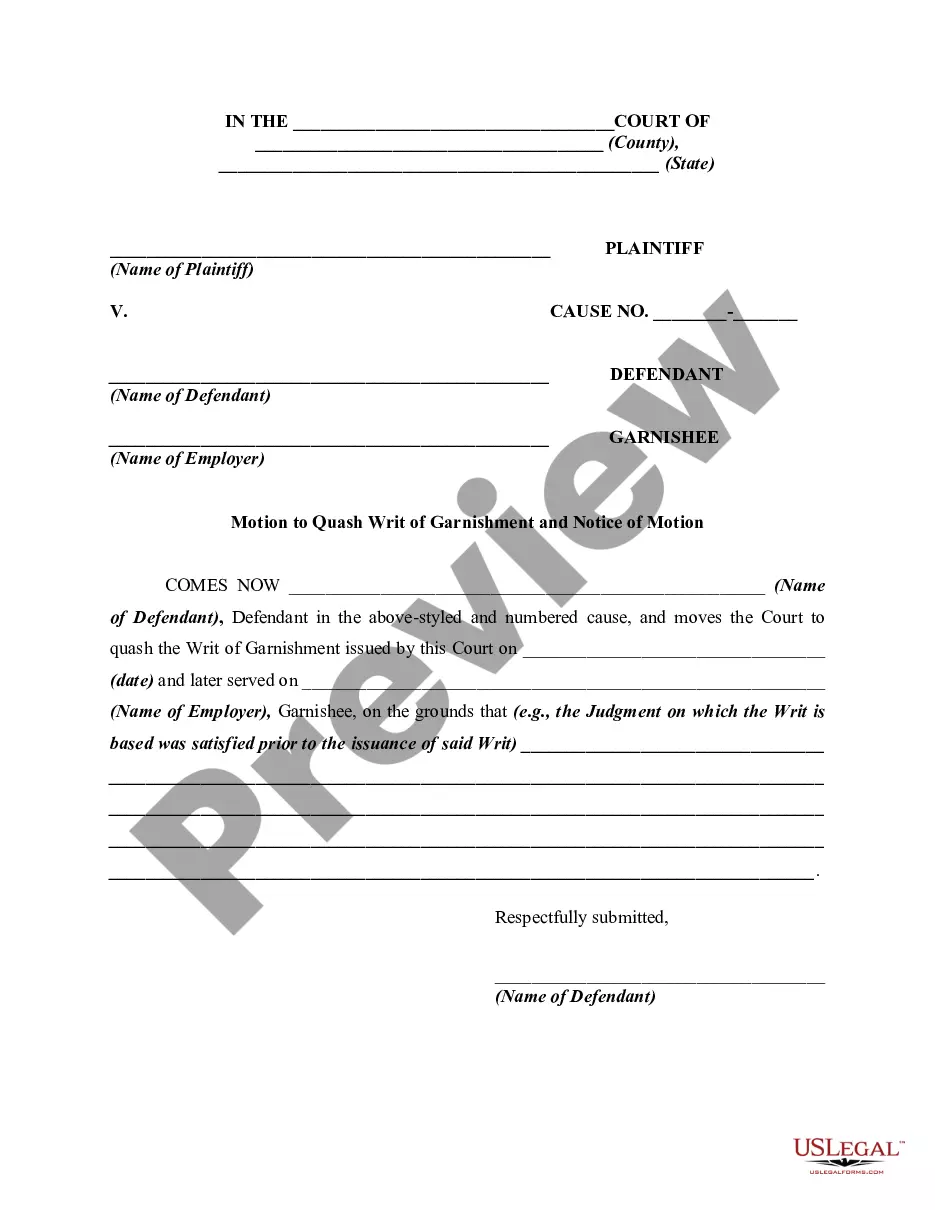





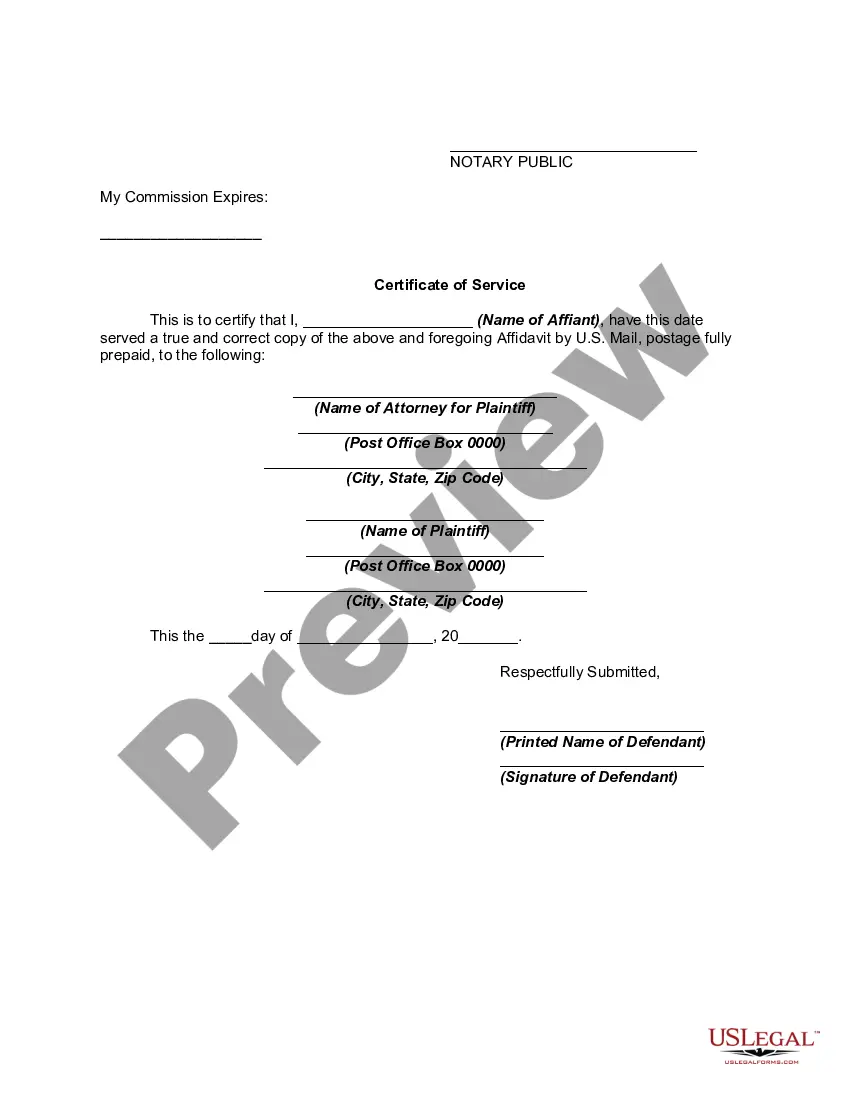
How to fill out Affidavit Of Defendant Spouse In Support Of Motion To Amend Or Strike Alimony Provisions Of Divorce Decree Because Of Obligor Spouse's Changed Financial Condition?
Identifying a reliable location to obtain the most up-to-date and suitable legal templates constitutes a significant portion of navigating bureaucracy. Securing the correct legal documents necessitates accuracy and meticulousness, which highlights the importance of sourcing Surviving Spouse Requirements solely from trustworthy providers, such as US Legal Forms. An incorrect template can squander your time and delay your situation.
With US Legal Forms, you have minimal concerns. You can access and verify all relevant information regarding the document's use and applicability for your circumstances and within your state or locality.
Eliminate the complications associated with your legal documentation. Explore the extensive US Legal Forms directory to discover legal samples, assess their relevance to your situation, and download them immediately.
- Utilize the library navigation or search function to find your sample.
- Examine the form's description to determine if it aligns with your state's requirements.
- Review the form preview, if available, to ensure the template is indeed what you seek.
- Return to the search to find the appropriate document if the Surviving Spouse Requirements do not meet your needs.
- When you are confident about the form's appropriateness, download it.
- If you are a registered user, click Log in to verify your identity and access your selected forms in My documents.
- If you do not possess an account yet, click Buy now to acquire the template.
- Choose the pricing plan that satisfies your needs.
- Proceed with the registration to complete your purchase.
- Finalize your transaction by selecting a payment option (credit card or PayPal).
- Choose the file format for downloading Surviving Spouse Requirements.
- Once you have the template on your device, you may edit it using the editor or print it and fill it out by hand.
Form popularity
FAQ
To file as a surviving spouse, you must have been married to the deceased at the time of their death and not remarried during the tax year. You also need to have provided more than half of the household expenses during the year. Familiarizing yourself with the surviving spouse requirements ensures you take advantage of available tax benefits. For support and forms, consider exploring USLegalForms to assist you.
To file taxes for a deceased spouse, you will typically need to use their Social Security number on the tax return. You can file jointly if you were married at the time of their death. It's important to follow the surviving spouse requirements for tax filing, which can differ from regular filing. Utilizing USLegalForms can simplify the process by providing templates and guidance tailored to your situation.
Form 1310, which is used for claiming a refund for a deceased person's taxes, does not need to be filed if the surviving spouse is the only beneficiary. Additionally, if the estate does not owe taxes or if there are no refunds due, you can skip this form. Knowing the surviving spouse requirements can clarify your obligations. USLegalForms offers resources to help you navigate these requirements easily.
Yes, a surviving spouse may need to file an estate tax return depending on the value of the deceased's estate. The federal estate tax applies if the estate exceeds a certain threshold. Understanding the surviving spouse requirements can help you determine if you need to file Form 706. If you're unsure, consider using USLegalForms for guidance on estate tax filings.
A spouse qualifies for survivor benefits if they meet certain conditions related to the deceased's work history and marital status. Generally, being married to the deceased for at least nine months is required, alongside meeting age or disability criteria. It is also essential to prove that the marriage was valid under state law. For guidance on meeting these surviving spouse requirements, consider using the resources available on USLegalForms.
To qualify as a surviving spouse, you must meet specific criteria outlined by Social Security. You need to have been married to the deceased for at least nine months and be at least 60 years old, or 50 if you are disabled. Furthermore, you must not be disqualified due to remarriage. Familiarizing yourself with these rules helps you navigate the surviving spouse requirements effectively.
Several factors can disqualify you from survivor benefits. If you remarry before the age of 60, you may lose eligibility for these benefits. Additionally, if the deceased spouse did not have enough work credits, or if you were not legally married at the time of their death, you may not qualify. Understanding these disqualifications is essential to meet the surviving spouse requirements.
To file as a surviving spouse, you must meet certain requirements set by the IRS. These include being legally married at the time of your spouse's death, having a dependent child, and not having remarried during the two-year period following the death. Understanding these surviving spouse requirements is crucial for optimizing your tax situation during a difficult time.
Filing as a qualifying surviving spouse is generally more beneficial than filing as single. This status allows you to take advantage of lower tax rates and provides the same benefits as married filing jointly for two years after your spouse's death. It is wise to assess your financial situation and consider consulting tax professionals or resources like US Legal Forms for further clarity.
To qualify as a surviving spouse under IRS rules, you must meet specific criteria. You should have been married to your spouse at the time of their death, have a dependent child, and not have remarried within the two years following their death. Meeting these surviving spouse requirements can help you benefit from favorable tax conditions.