Affidavit For Surviving Spouse In San Jose
Description

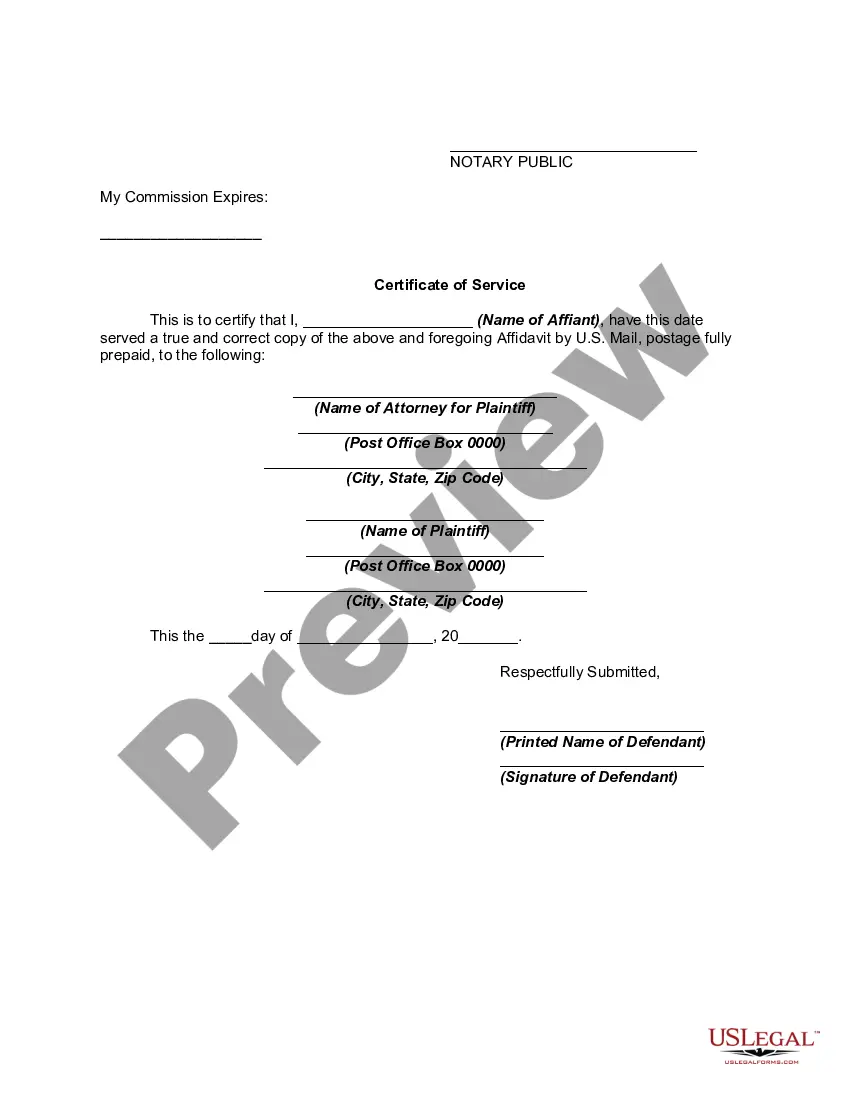




Get your form ready online
Our built-in tools help you complete, sign, share, and store your documents in one place.
Make edits, fill in missing information, and update formatting in US Legal Forms—just like you would in MS Word.
Download a copy, print it, send it by email, or mail it via USPS—whatever works best for your next step.
Sign and collect signatures with our SignNow integration. Send to multiple recipients, set reminders, and more. Go Premium to unlock E-Sign.
If this form requires notarization, complete it online through a secure video call—no need to meet a notary in person or wait for an appointment.
We protect your documents and personal data by following strict security and privacy standards.

Make edits, fill in missing information, and update formatting in US Legal Forms—just like you would in MS Word.

Download a copy, print it, send it by email, or mail it via USPS—whatever works best for your next step.

Sign and collect signatures with our SignNow integration. Send to multiple recipients, set reminders, and more. Go Premium to unlock E-Sign.

If this form requires notarization, complete it online through a secure video call—no need to meet a notary in person or wait for an appointment.

We protect your documents and personal data by following strict security and privacy standards.
Looking for another form?








Form popularity
FAQ
Top 10 Things Not to Do When Someone Dies 1 – DO NOT tell their bank. 2 – DO NOT wait to call Social Security. 3 – DO NOT wait to call their Pension. 4 – DO NOT tell the utility companies. 5 – DO NOT give away or promise any items to loved ones. 6 – DO NOT sell any of their personal assets. 7 – DO NOT drive their vehicles.
Spouse Entitlement in California Because California is a community property state, the surviving spouse is entitled to one-half of the community property acquired during the marriage, regardless of which spouse acquired it.
Upon the death of a spouse, the surviving spouse is entitled to retain their half of the community property. The deceased spouse's half is typically distributed ing to their will or, if there is no will, ing to California's intestate succession laws.
Many people assume that the surviving spouse automatically inherits everything. However, this is not the case in California. When a person dies without a will in California, their assets are distributed to their family members ing to the state's intestate succession laws.
A valid Affidavit of Death requires the affiant to have personal knowledge of the deceased. Detailed identification of the deceased, the affiant's relationship with them, and the reason for the affidavit's execution should be clearly stated. Validation from a Notary Public is essential to certify its legality.
You've likely inherited a large portion of your spouse's assets. Gather relevant estate planning documents, such as a will or trust. Contact credit bureaus. Notify Equifax, Experian or TransUnion that your spouse is deceased, and any accounts held in their name should be closed.
Here's a step-by-step look at the process of filing a spousal property petition in California: Fill Out Form DE-221. File Form DE-221 With Clerk. Notify Necessary Parties 15 Days Before Court Hearing. File a Spousal Property Order. Attend Court Hearing. Transfer of Property.
The Spousal Property Petition should be used when a decedent's surviving spouse is named as beneficiary to any property. This is common when it comes to married couples. However, the probate process may still be required when there are other beneficiaries in question, such as children and other close family members.
A deceased person's estate will not be handled in probate court if there is a surviving spouse and the estate consists entirely of community property, or the deceased person's property is held in joint tenancy with another person.
