Child Support And Alimony In Texas In Pennsylvania
Description
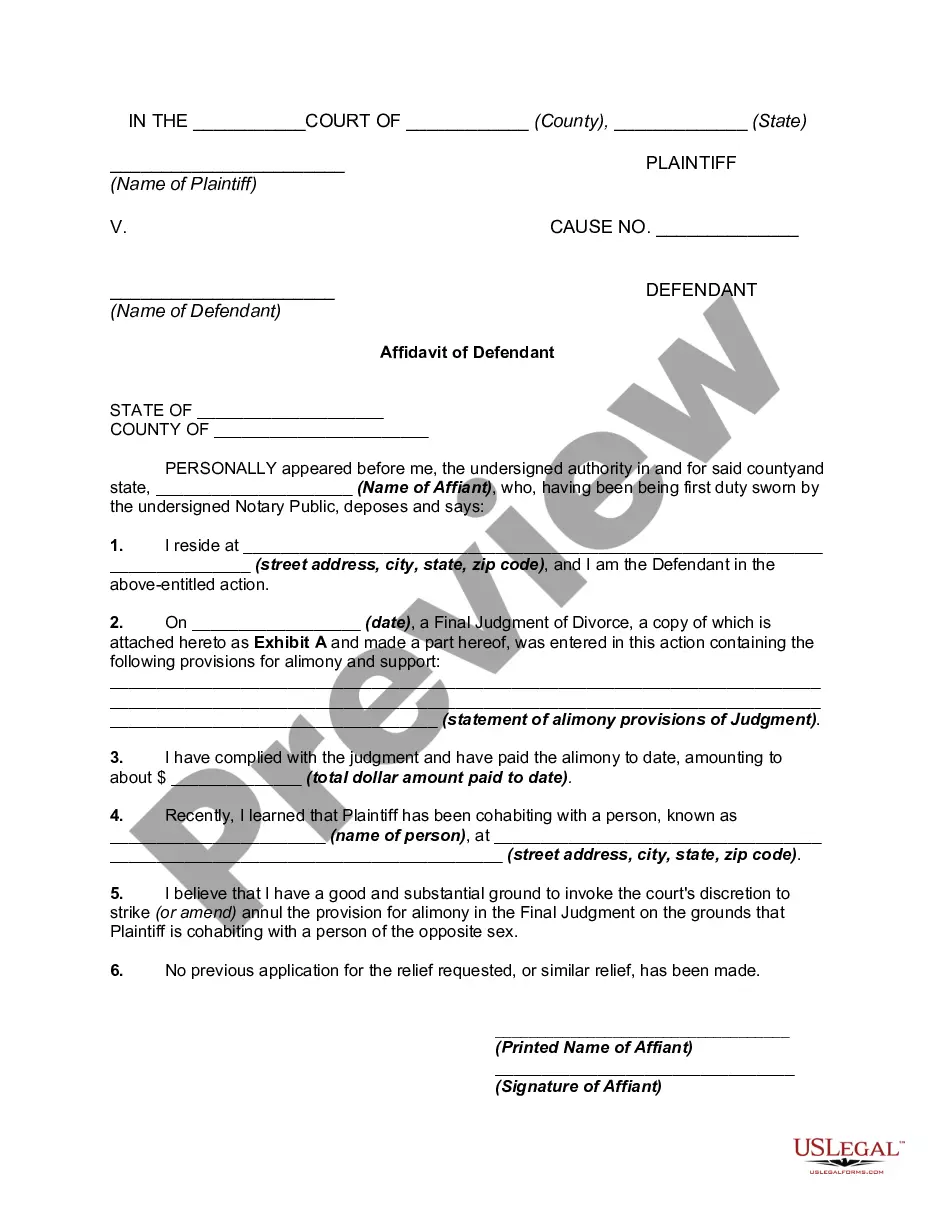
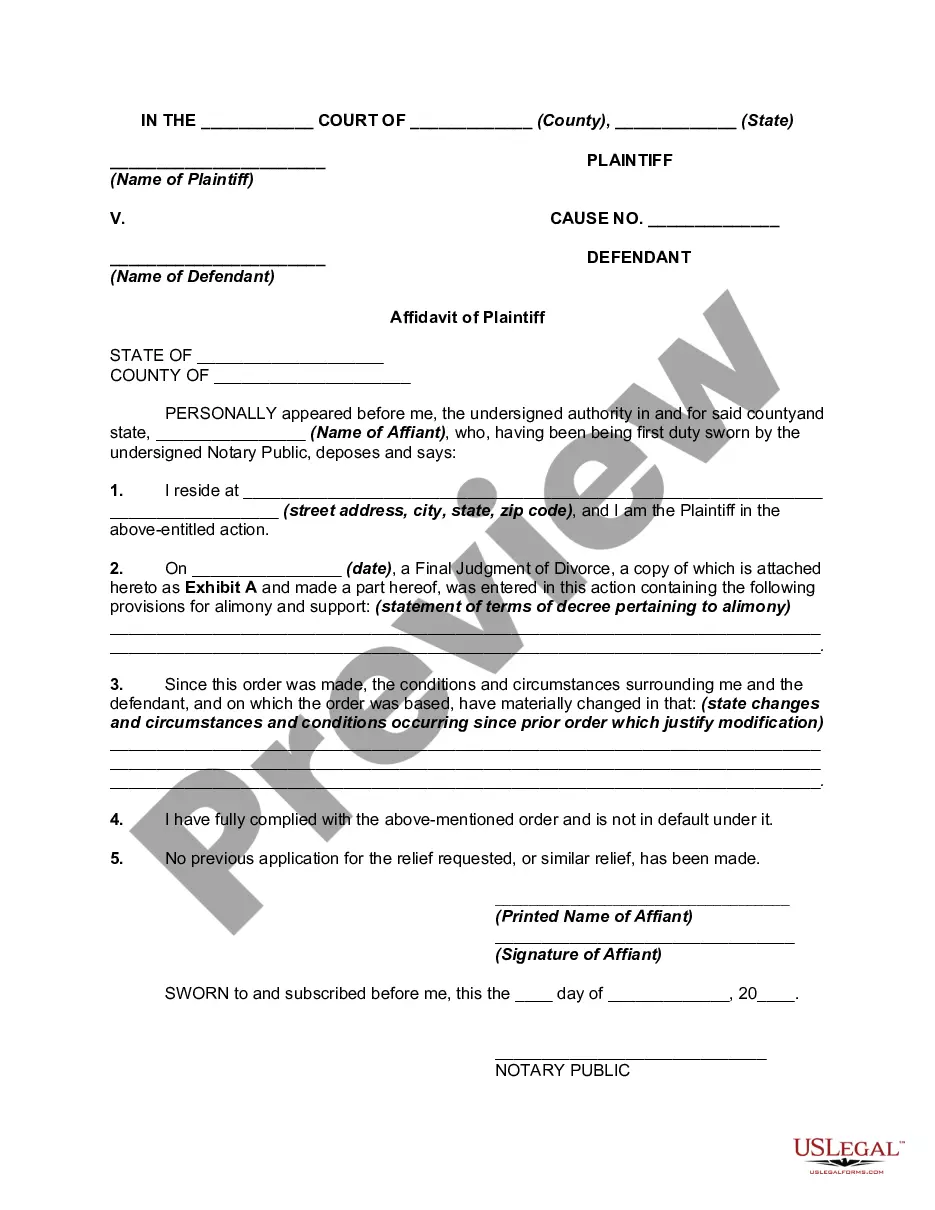
Get your form ready online
Our built-in tools help you complete, sign, share, and store your documents in one place.
Make edits, fill in missing information, and update formatting in US Legal Forms—just like you would in MS Word.
Download a copy, print it, send it by email, or mail it via USPS—whatever works best for your next step.
Sign and collect signatures with our SignNow integration. Send to multiple recipients, set reminders, and more. Go Premium to unlock E-Sign.
If this form requires notarization, complete it online through a secure video call—no need to meet a notary in person or wait for an appointment.
We protect your documents and personal data by following strict security and privacy standards.

Make edits, fill in missing information, and update formatting in US Legal Forms—just like you would in MS Word.

Download a copy, print it, send it by email, or mail it via USPS—whatever works best for your next step.

Sign and collect signatures with our SignNow integration. Send to multiple recipients, set reminders, and more. Go Premium to unlock E-Sign.

If this form requires notarization, complete it online through a secure video call—no need to meet a notary in person or wait for an appointment.

We protect your documents and personal data by following strict security and privacy standards.
Looking for another form?

Form popularity
FAQ
In Pennsylvania, it is possible to avoid alimony through negotiation of terms in the divorce settlement, proof of marital misconduct and establishing financial independence.
If the noncustodial parent lives in another state, Pennsylvania and the other state are required by law to cooperate in enforcement of the child support obligation.
The 17 Alimony Factors in Pennsylvania Relative earning capacity of each spouse. Age, physical and mental health of each spouse. Sources of income of each spouse. Inheritances of each spouse. Marriage length. Contribution to spouse's education. Children: whether earning capacity of the custodial parent is affected.
Alimony calculations are governed under 231 Pa. Code § 1910.16-4 and are calculated by subtracting 40% of the lower-earning spouse's monthly net income after taxes from 33% of the higher-earning spouse's net income after taxes.
§ 3701 (2022).) Usually, a judge will award alimony when one spouse isn't able to support themselves through employment and the paying spouse is able to make the payments.
Alimony may be terminated when the person receiving support remarries, enters into another relationship similar to a marriage or passes away. Courts may also review and modify an order if either person's financial circumstances change.
If you mean the custodial parent and child live in another state from the noncustodial parent, yes, you can. Make an appointment at your local state child support enforcement office. They will tell you what information to bring with you to the appointment. They will do all the filing.
As such, if parents or guardians involved in a child custody dispute live in different states, the court will generally award one of the parents/guardians sole or primary physical custody of their kids.
A. You can file the case directly in the state which has “personal jurisdiction” over the other party (usually only the state in which the other party resides, but there are some exceptions). B. You can file in your own state, which will forward the case to the state where the other parent resides.