Alimony And Child Support In Nj In Pennsylvania
Description
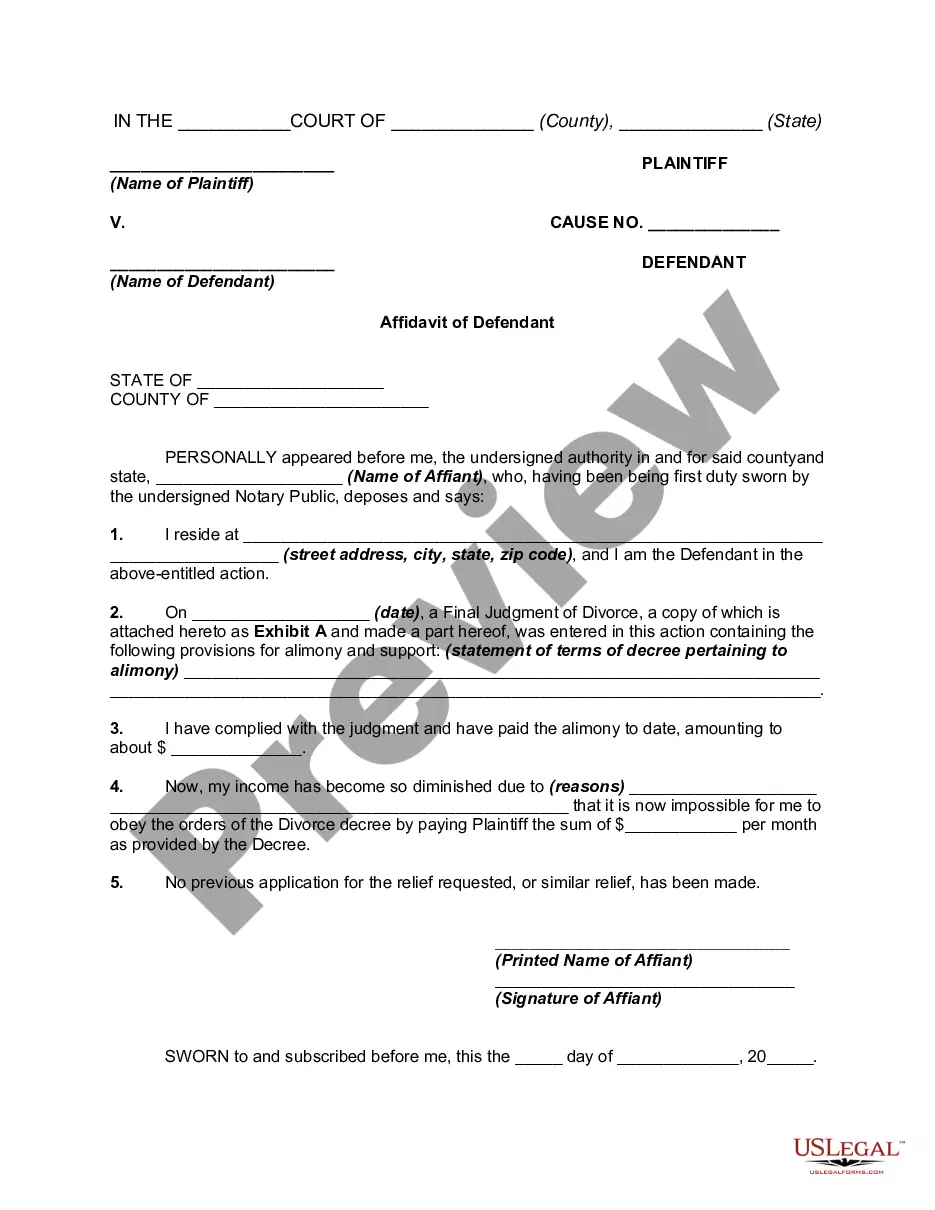
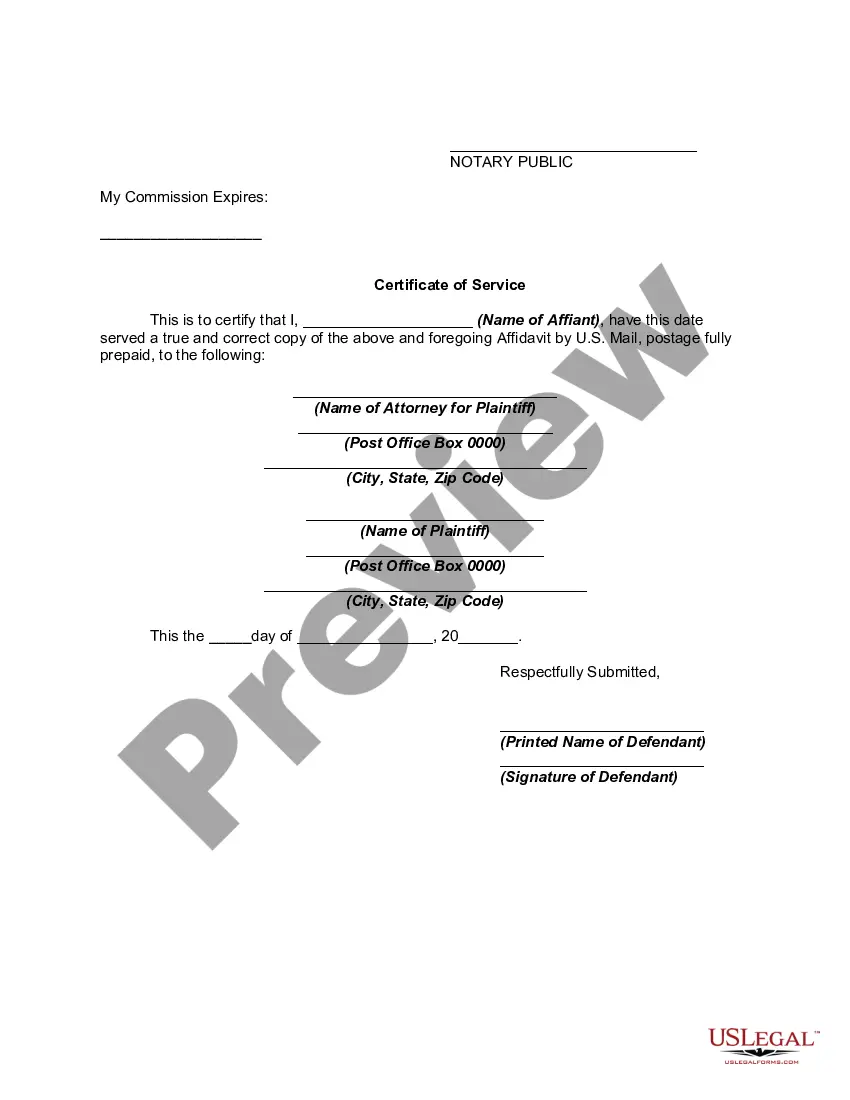
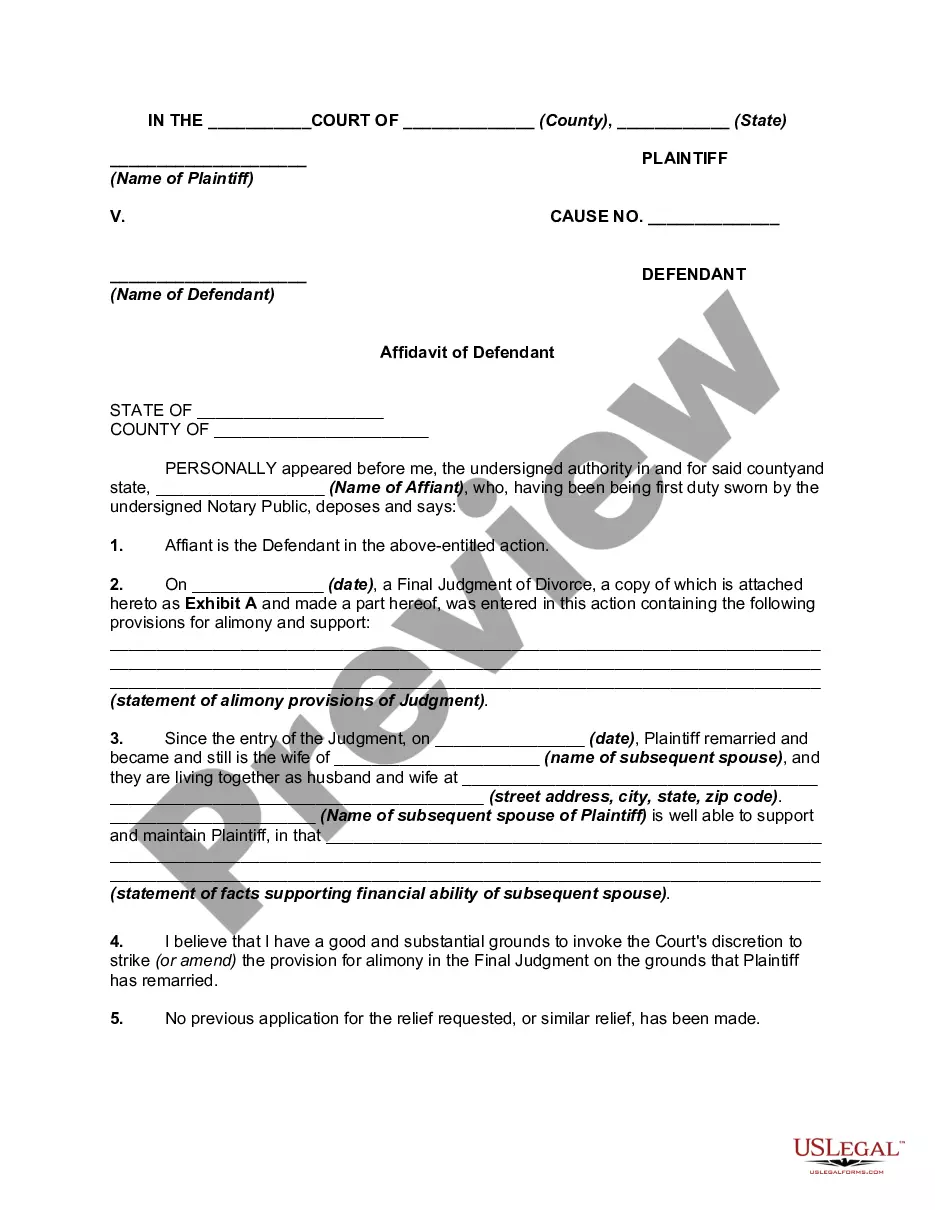
Get your form ready online
Our built-in tools help you complete, sign, share, and store your documents in one place.
Make edits, fill in missing information, and update formatting in US Legal Forms—just like you would in MS Word.
Download a copy, print it, send it by email, or mail it via USPS—whatever works best for your next step.
Sign and collect signatures with our SignNow integration. Send to multiple recipients, set reminders, and more. Go Premium to unlock E-Sign.
If this form requires notarization, complete it online through a secure video call—no need to meet a notary in person or wait for an appointment.
We protect your documents and personal data by following strict security and privacy standards.

Make edits, fill in missing information, and update formatting in US Legal Forms—just like you would in MS Word.

Download a copy, print it, send it by email, or mail it via USPS—whatever works best for your next step.

Sign and collect signatures with our SignNow integration. Send to multiple recipients, set reminders, and more. Go Premium to unlock E-Sign.

If this form requires notarization, complete it online through a secure video call—no need to meet a notary in person or wait for an appointment.

We protect your documents and personal data by following strict security and privacy standards.
Looking for another form?
Form popularity
FAQ
If you mean the custodial parent and child live in another state from the noncustodial parent, yes, you can. Make an appointment at your local state child support enforcement office. They will tell you what information to bring with you to the appointment. They will do all the filing.
Misconduct: Certain behaviors can also lead to the disqualification of alimony. For instance, if a spouse is found to have engaged in financial misconduct, such as hiding assets or failing to disclose financial information during the divorce proceedings, this can result in disqualification.
In Pennsylvania, it is possible to avoid alimony through negotiation of terms in the divorce settlement, proof of marital misconduct and establishing financial independence.
If child support and alimony, maintenance, or spousal support are being determined simultaneously (for the same family), the court shall determine the amount of alimony, maintenance, or spousal support before applying the child support guidelines, except when the court establishes pendente lite support.
Child support is never deductible and isn't considered income. Additionally, if a divorce or separation instrument provides for alimony and child support, and the payer spouse pays less than the total required, the payments apply to child support first. Only the remaining amount is considered alimony.
The 2014 statute replaces the term “permanent alimony” with “open durational alimony.” Other changes to alimony in New Jersey include: The length of alimony payments cannot exceed the length of the marriage for marriages that last less than 20 years- except for special circumstances.
In New Jersey, alimony terminates upon the death or remarriage of the supported spouse. However, if the paying spouse remarries, the alimony payments will continue. If the person paying alimony dies, they usually have life insurance to secure their spousal support to the recipient.
The determination of spousal support is made by taking the difference in the net incomes of the parties, and multiplying that figure by a certain percentage (40% in cases where there is no concurrent child support, and 30% where there is child support in place).