Motion To Strike And Dismiss Illinois In Oakland
Description
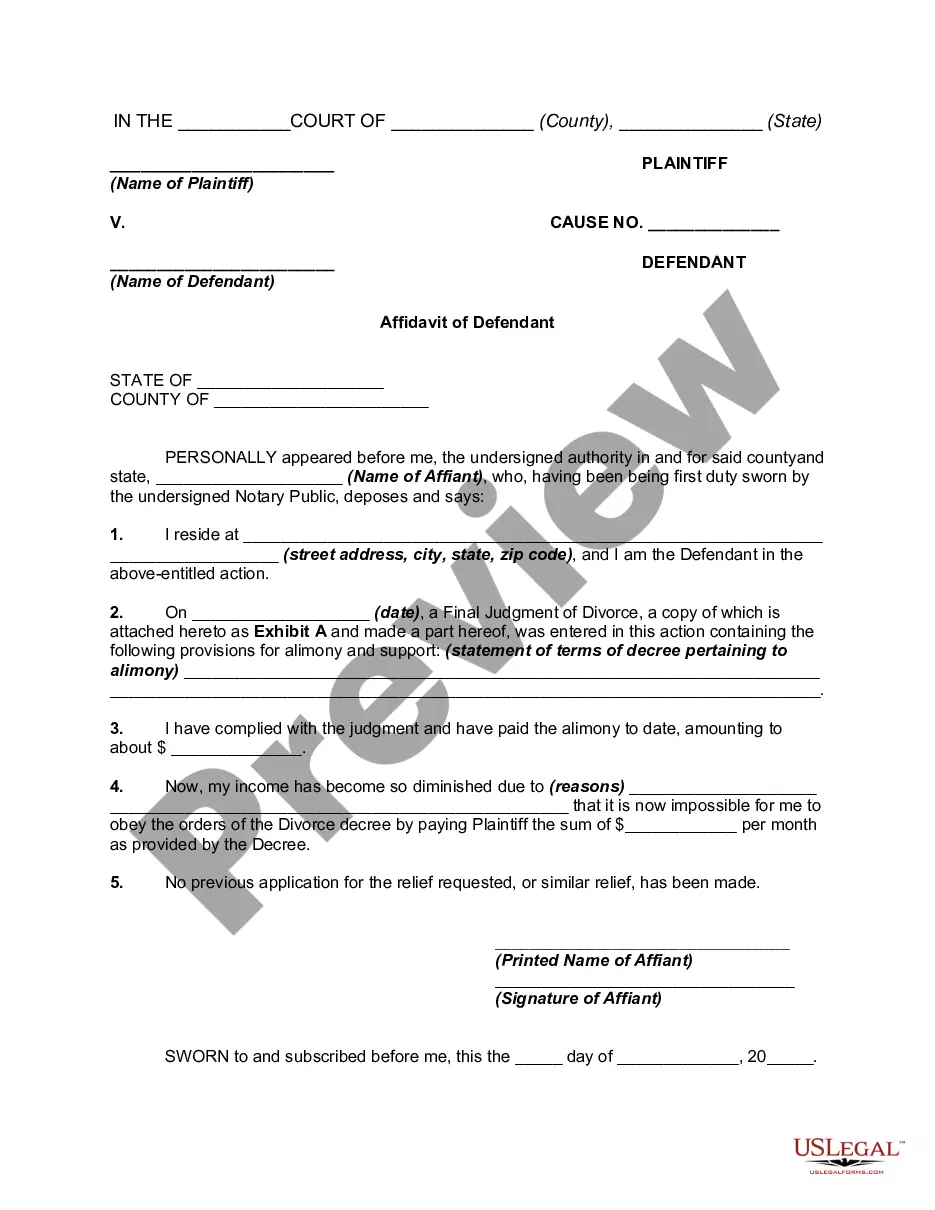
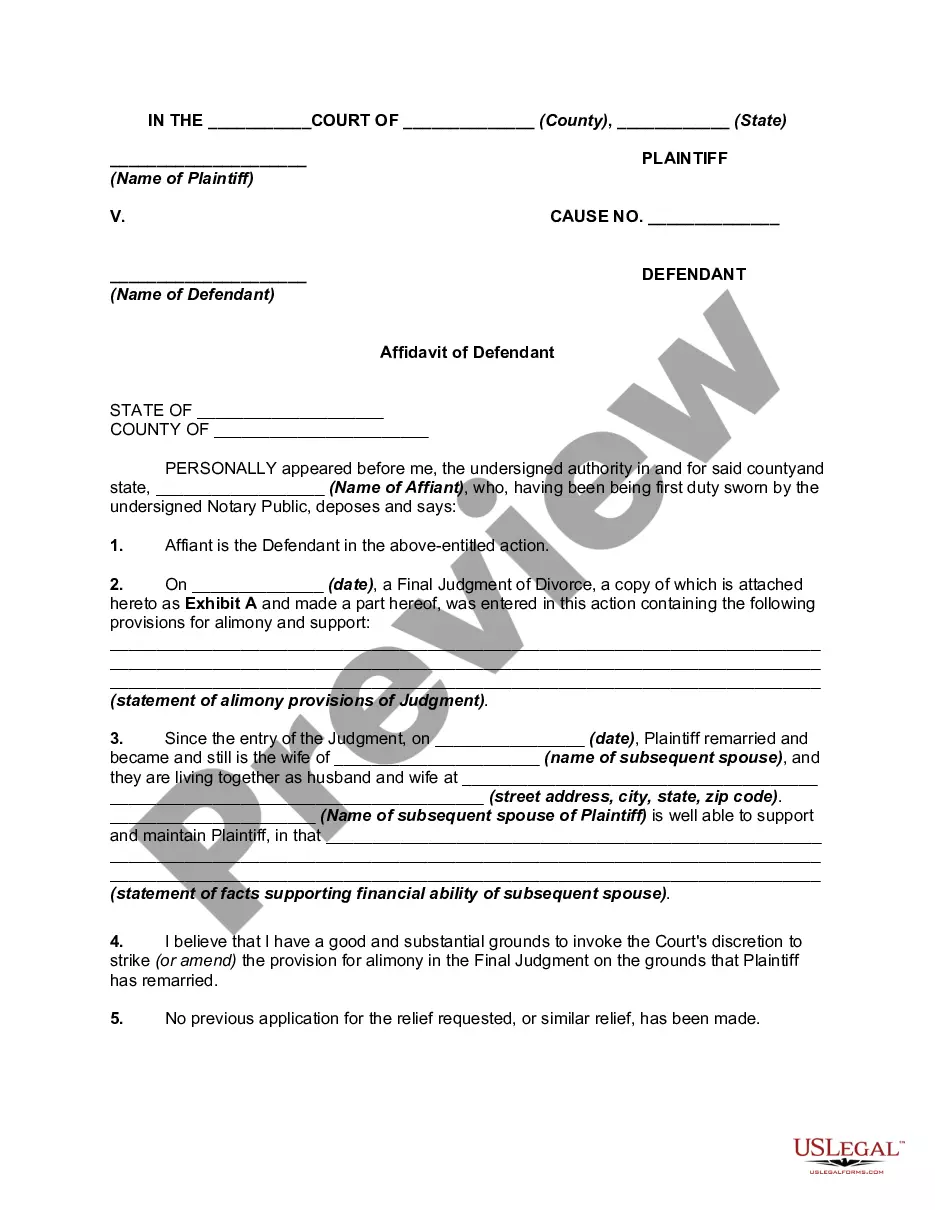
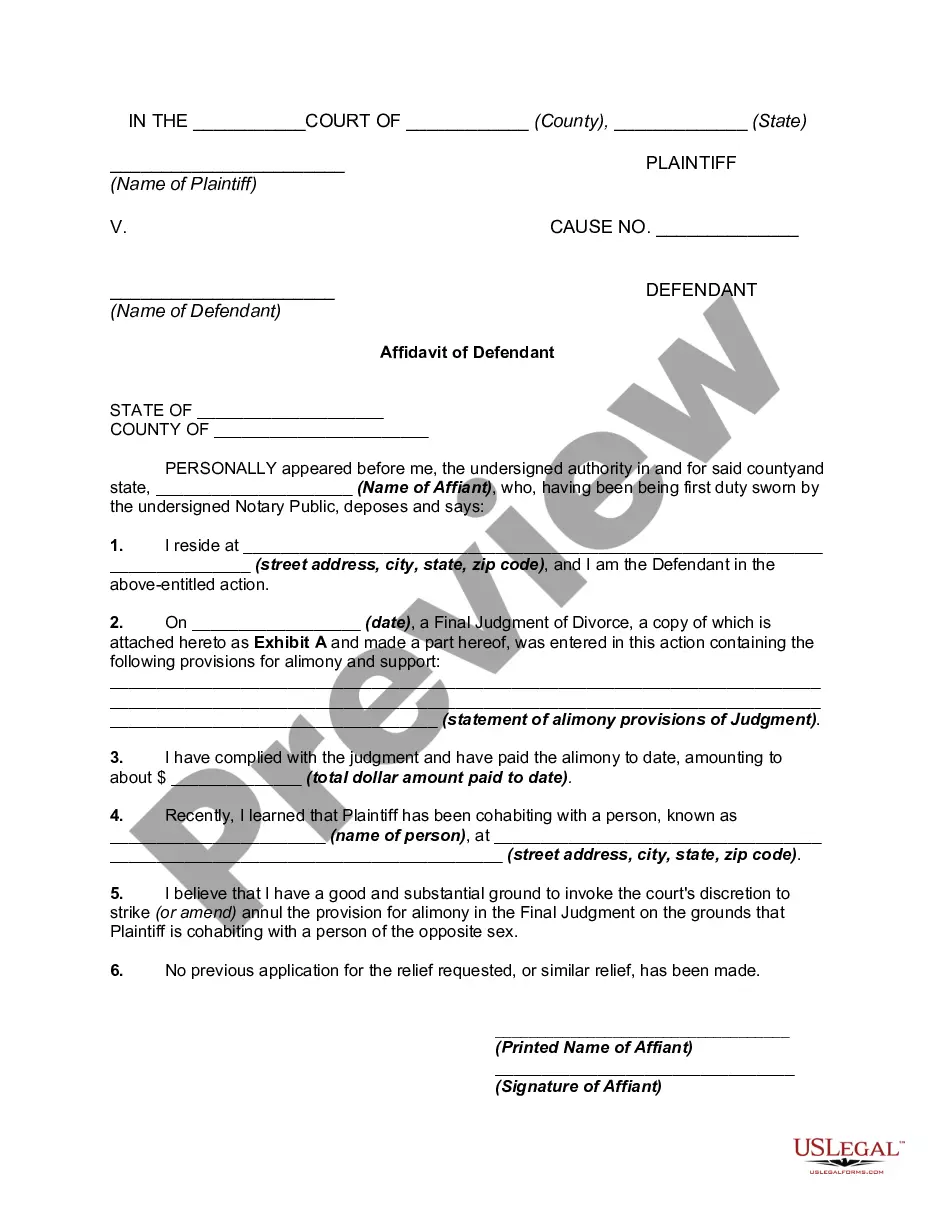
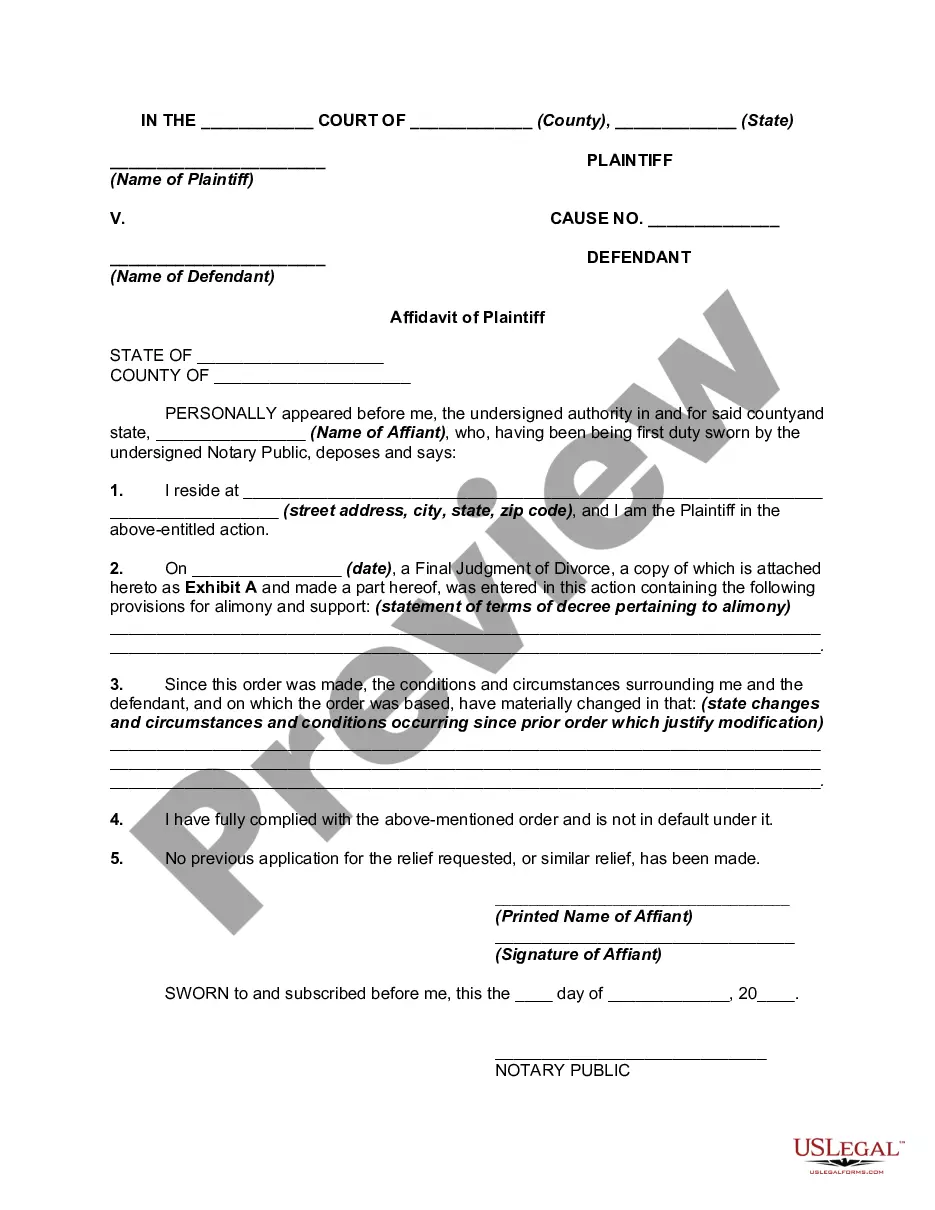
Get your form ready online
Our built-in tools help you complete, sign, share, and store your documents in one place.
Make edits, fill in missing information, and update formatting in US Legal Forms—just like you would in MS Word.
Download a copy, print it, send it by email, or mail it via USPS—whatever works best for your next step.
Sign and collect signatures with our SignNow integration. Send to multiple recipients, set reminders, and more. Go Premium to unlock E-Sign.
If this form requires notarization, complete it online through a secure video call—no need to meet a notary in person or wait for an appointment.
We protect your documents and personal data by following strict security and privacy standards.

Make edits, fill in missing information, and update formatting in US Legal Forms—just like you would in MS Word.

Download a copy, print it, send it by email, or mail it via USPS—whatever works best for your next step.

Sign and collect signatures with our SignNow integration. Send to multiple recipients, set reminders, and more. Go Premium to unlock E-Sign.

If this form requires notarization, complete it online through a secure video call—no need to meet a notary in person or wait for an appointment.

We protect your documents and personal data by following strict security and privacy standards.
Looking for another form?


Form popularity
FAQ
To defend against a motion to dismiss for lack of personal jurisdiction, you should be prepared to show the judge that the other party has had “contact” with the state where you have filed the case, s/he was served in the state, or there is some other reason why the court has jurisdiction.
A “motion to dismiss” is typically filed in response to a complaint and is made in lieu of filing an “answer.” Technically, a plaintiff can move to “strike” a defense that a defendant has pled, given that defenses are subject to the same pleading requirements as are the plaintiff's claims.
2-615 Motions to Dismiss Typically, 2-615 Motions are granted when the Complaint fails to state allegations which amount to a cause of action. For example, a cause of action for a civil assault requires the plaintiff to plead the following elements: An intentional act. Directed toward the plaintiff.
A motion to dismiss is a written request by a defendant asking the Court to dispose of some or all the claims raised in the Complaint before the case can move forward in the litigation process. The Defendant has 21 days to file an Answer, or otherwise respond to the Complaint.
These include dismissals for: (b)(1) a lack of subject-matter jurisdiction. (b)(2) a lack of personal jurisdiction. (b)(3) improper venue.
A Motion to Dismiss pursuant to 735 ILCS 5/2-615 alleges that there are defects on the face of the pleading. This typically means that the pleading does not state a claim for which the relief being requested can be granted.
The court may grant a motion to dismiss if the plaintiff's complaint fails to allege all the elements of a claim adequately. Or the court may grant it if the complaint fails to allege a measurable injury.
The defendant generally waives their right to file a motion to dismiss once they file an answer to the complaint. There are some exceptions where a motion to dismiss may be filed at a later point in litigation, such as if the plaintiff amends the complaint.
A motion to strike is a request by one party in a United States trial requesting that the presiding judge order the removal of all or part of the opposing party's pleading to the court.