Surviving Spouse Requirements In Montgomery
Description

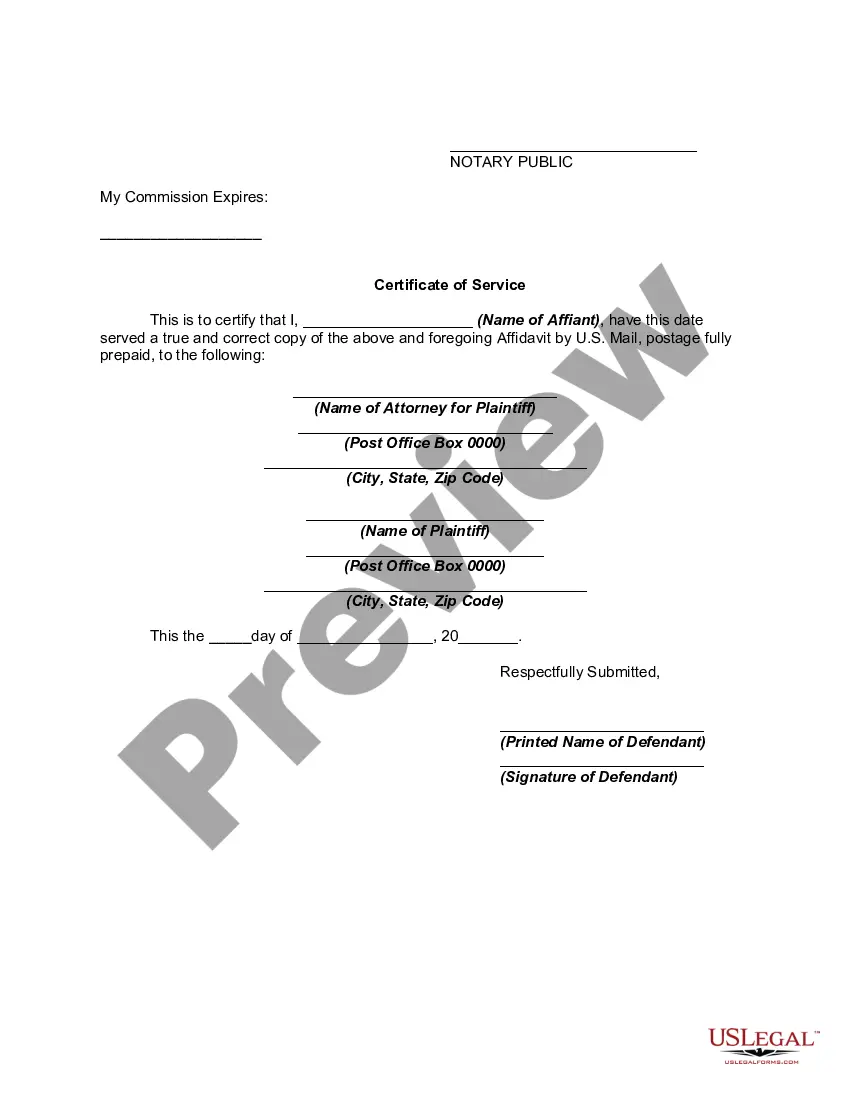




Get your form ready online
Our built-in tools help you complete, sign, share, and store your documents in one place.
Make edits, fill in missing information, and update formatting in US Legal Forms—just like you would in MS Word.
Download a copy, print it, send it by email, or mail it via USPS—whatever works best for your next step.
Sign and collect signatures with our SignNow integration. Send to multiple recipients, set reminders, and more. Go Premium to unlock E-Sign.
If this form requires notarization, complete it online through a secure video call—no need to meet a notary in person or wait for an appointment.
We protect your documents and personal data by following strict security and privacy standards.

Make edits, fill in missing information, and update formatting in US Legal Forms—just like you would in MS Word.

Download a copy, print it, send it by email, or mail it via USPS—whatever works best for your next step.

Sign and collect signatures with our SignNow integration. Send to multiple recipients, set reminders, and more. Go Premium to unlock E-Sign.

If this form requires notarization, complete it online through a secure video call—no need to meet a notary in person or wait for an appointment.

We protect your documents and personal data by following strict security and privacy standards.
Looking for another form?









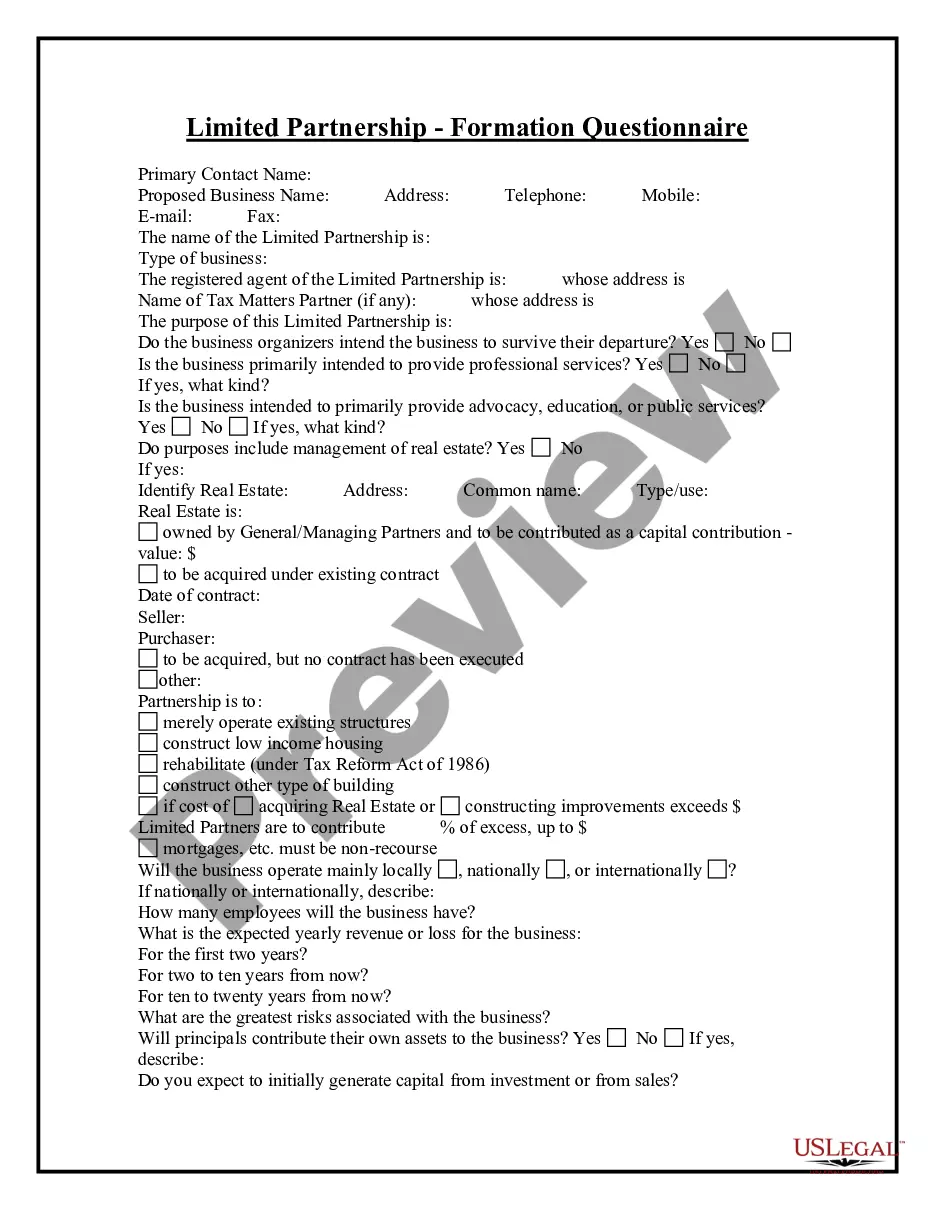
Form popularity
FAQ
Usually, you can't get surviving spouse's benefits if you remarry before age 60 (or age 50 if you have a disability). But remarriage after age 60 (or age 50 if you have a disability) won't prevent you from getting benefit payments based on your former spouse's work.
Who can get Survivor benefits Are age 60 or older, or age 50–59 if you have a disability, and. Were married for at least 9 months before your spouse's death, and. Didn't remarry before age 60 (age 50 if you have a disability).
To qualify for the Qualifying Surviving Spouse filing status, you must meet these four requirements: You qualified for Married Filing Jointly with your spouse for the year they died. You didn't remarry. You have a child, stepchild, or adopted child you claim as your tax dependent.
Surviving spouse, age 60 or older, but under full retirement age, gets between 71% and 99% of the worker's basic benefit amount. Surviving spouse, any age, with a child younger than age 16, gets 75% of the worker's benefit amount.
A surviving spouse is a husband or wife who outlives their partner. This includes both widows and widowers. The term is often used in legal contexts such as estate taxation, probate, and estate administration. Example 1: John and Jane were married for 30 years. When John passed away, Jane became his surviving spouse.
Spouses and ex-spouses You may be eligible if you: Are age 60 or older, or age 50–59 if you have a disability, and. Were married for at least 9 months before your spouse's death, and. Didn't remarry before age 60 (age 50 if you have a disability).
Taxpayers can claim the qualifying surviving spouse filing status if all of the following conditions are met: You were entitled to file a joint return with your spouse for the year your spouse died. Have had a spouse who died in either of the two prior years. You must not remarry before the end of the current tax year.
Spouses and ex-spouses Were married for at least 9 months before your spouse's death, and. Didn't remarry before age 60 (age 50 if you have a disability).
After 15 years, the surviving spouse is entitled to 50 percent.
Qualifying Surviving Spouse Filing Status Taxpayers who do not remarry in the year their spouse dies can file jointly with the deceased spouse. For the two years following the year of death, the surviving spouse may be able to use the Qualifying Surviving Spouse filing status.
