Motion To Strike Form With Motion To Dismiss In Minnesota
Description

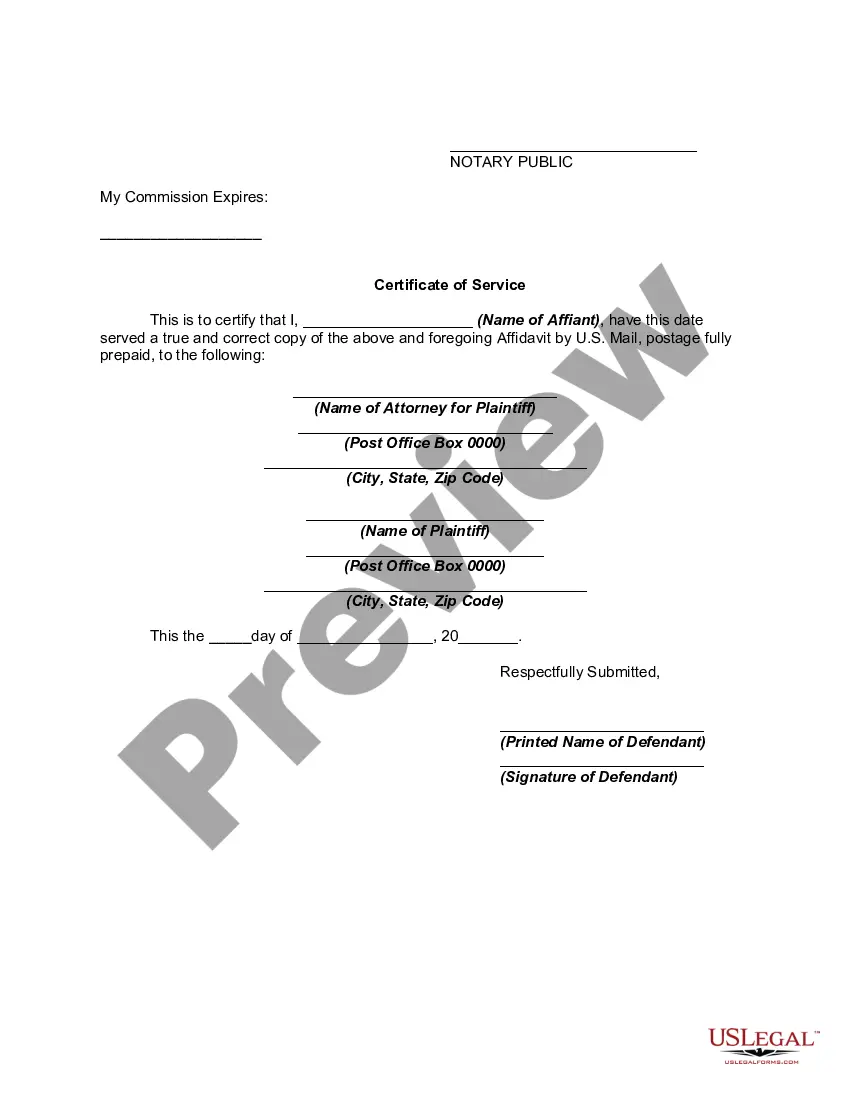




Get your form ready online
Our built-in tools help you complete, sign, share, and store your documents in one place.
Make edits, fill in missing information, and update formatting in US Legal Forms—just like you would in MS Word.
Download a copy, print it, send it by email, or mail it via USPS—whatever works best for your next step.
Sign and collect signatures with our SignNow integration. Send to multiple recipients, set reminders, and more. Go Premium to unlock E-Sign.
If this form requires notarization, complete it online through a secure video call—no need to meet a notary in person or wait for an appointment.
We protect your documents and personal data by following strict security and privacy standards.

Make edits, fill in missing information, and update formatting in US Legal Forms—just like you would in MS Word.

Download a copy, print it, send it by email, or mail it via USPS—whatever works best for your next step.

Sign and collect signatures with our SignNow integration. Send to multiple recipients, set reminders, and more. Go Premium to unlock E-Sign.

If this form requires notarization, complete it online through a secure video call—no need to meet a notary in person or wait for an appointment.

We protect your documents and personal data by following strict security and privacy standards.
Looking for another form?








Form popularity
FAQ
The legal arguments in a motion to dismiss must be extremely persuasive and supported by relevant facts. If the court has any doubts about an individual's entitlement to dismissal, those doubts will be resolved in the plaintiff's favor and the motion will be denied.
How do I fill this out? Review the form to understand the required sections. Fill in the plaintiff and defendant details accurately. Select the reason for dismissal from the listed options. Ensure the motion is signed by the plaintiff or their attorney. Print the completed forms and bring them to court.
Rule 69. In aid of the judgment or execution, the judgment creditor, or successor in interest when that interest appears of record, may obtain discovery from any person, including the judgment debtor, in the manner provided by these rules.
A motion to dismiss asks the court to dismiss either whole or part of a complaint, counterclaim, or crossclaim. Motion to strike or "Demurrer": In some jurisdictions, a motion to strike or a "demurrer" is the equivalent to a motion to dismiss for failure to state a claim upon which relief can be granted.
The court may grant a motion to dismiss if the plaintiff's complaint fails to allege all the elements of a claim adequately. Or the court may grant it if the complaint fails to allege a measurable injury.
To defend against a motion to dismiss for lack of personal jurisdiction, you should be prepared to show the judge that the other party has had “contact” with the state where you have filed the case, s/he was served in the state, or there is some other reason why the court has jurisdiction.
These include dismissals for: (b)(1) a lack of subject-matter jurisdiction. (b)(2) a lack of personal jurisdiction. (b)(3) improper venue.
To defend against a motion to dismiss for lack of personal jurisdiction, you should be prepared to show the judge that the other party has had “contact” with the state where you have filed the case, s/he was served in the state, or there is some other reason why the court has jurisdiction.
Rule 57. The existence of another adequate remedy does not preclude a judgment for declaratory relief in cases where it is appropriate. The court may order a speedy hearing of an action for a declaratory judgment and may advance it on the calendar.
Rule 63. Disability or Disqualification of Judge; Notice to Remove; Assignment of a Judge.
