Divorce Decree Modification Forms Texas In Illinois
Description

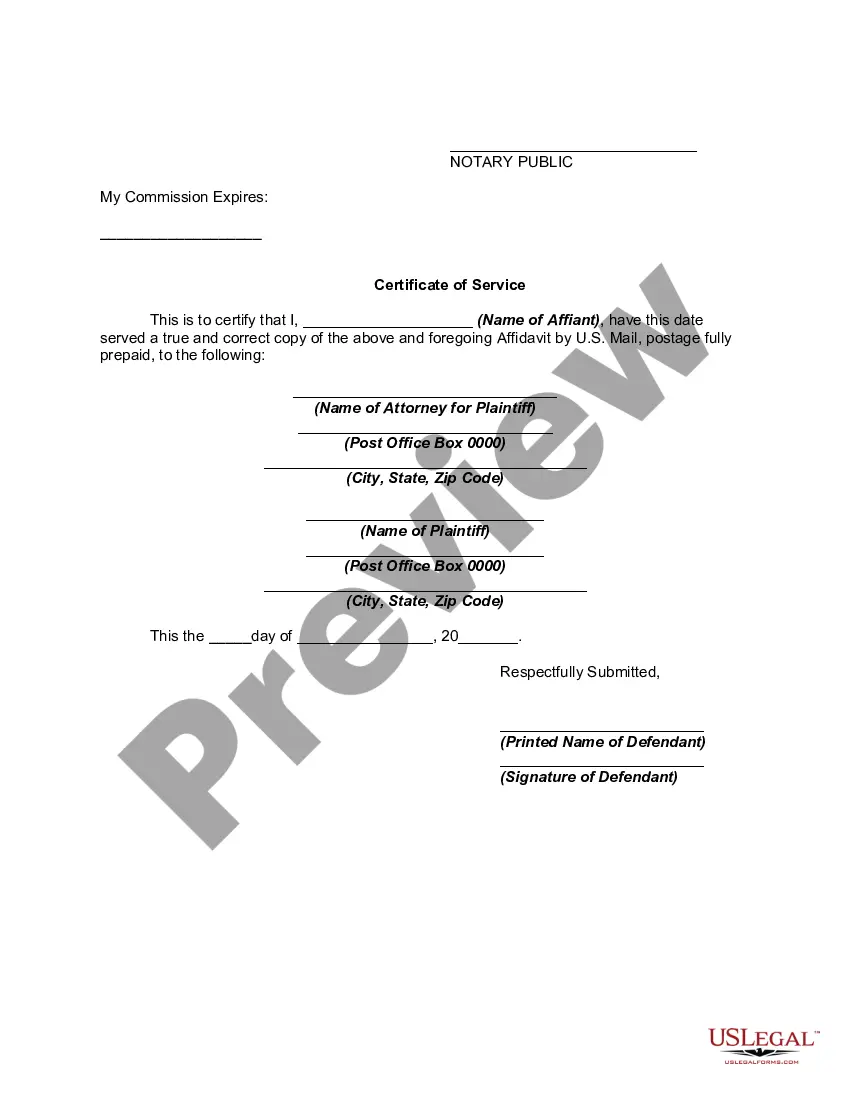




Get your form ready online
Our built-in tools help you complete, sign, share, and store your documents in one place.
Make edits, fill in missing information, and update formatting in US Legal Forms—just like you would in MS Word.
Download a copy, print it, send it by email, or mail it via USPS—whatever works best for your next step.
Sign and collect signatures with our SignNow integration. Send to multiple recipients, set reminders, and more. Go Premium to unlock E-Sign.
If this form requires notarization, complete it online through a secure video call—no need to meet a notary in person or wait for an appointment.
We protect your documents and personal data by following strict security and privacy standards.

Make edits, fill in missing information, and update formatting in US Legal Forms—just like you would in MS Word.

Download a copy, print it, send it by email, or mail it via USPS—whatever works best for your next step.

Sign and collect signatures with our SignNow integration. Send to multiple recipients, set reminders, and more. Go Premium to unlock E-Sign.

If this form requires notarization, complete it online through a secure video call—no need to meet a notary in person or wait for an appointment.

We protect your documents and personal data by following strict security and privacy standards.
Looking for another form?

Form popularity
FAQ
In order to change your divorce decree, parenting plan, or other court orders from your divorce, you must file a Petition for Modification. To initiate the process, you must file a petition with the circuit court in the county where the original order was entered.
You can modify your divorce decree in Texas through mutual agreements or a change of circumstances. Texas courts understand that life changes, so the process should be straightforward with the right legal team by your side.
Gather and present thorough documentation to support your request for modification. Detailed records strengthen your case and demonstrate the necessity of the changes. This includes financial statements, medical records, and any communication relevant to your request.
Parenting time and child support, which are also part of a final decree, may also be modifiable. At the time a divorce is finalized by court order, so are visitation and custody agreements.
A divorce decree could be invalid if a judge's decisions were based on incorrect information or if the judge made errors affecting the outcome. If one party concealed assets or debts from the other, that could be grounds for appeal or modification.
Yes, you can amend a marital settlement, with both parties agreeing.
Key Takeaways: A divorce decree can be modified to a certain degree after it is finalized regarding factors like custody arrangements and spousal support payments. A divorce decree can be modified as to the above terms by either a mutual agreement between you and your ex or a change of circumstances.
A divorce decree could be invalid if a judge's decisions were based on incorrect information or if the judge made errors affecting the outcome. If one party concealed assets or debts from the other, that could be grounds for appeal or modification.
Spousal Support Rulings Additionally, the parent who moves out will likely have more expensive alimony and child support payments to make, especially if not having custody of the children. This could make it difficult financially for many years to come once orders are set.
