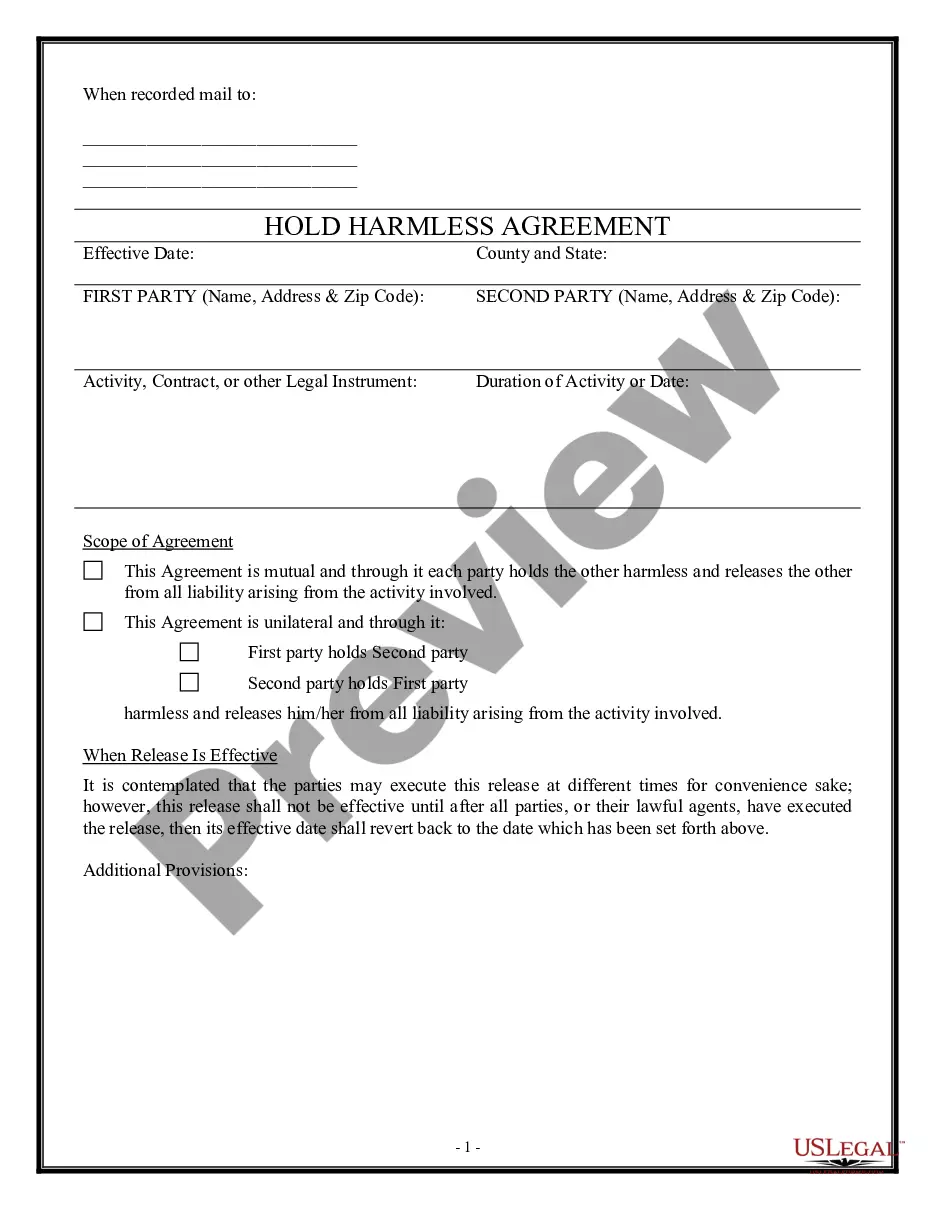
Child Support Form For Taxes In Florida
Description






Get your form ready online
Our built-in tools help you complete, sign, share, and store your documents in one place.
Make edits, fill in missing information, and update formatting in US Legal Forms—just like you would in MS Word.
Download a copy, print it, send it by email, or mail it via USPS—whatever works best for your next step.
Sign and collect signatures with our SignNow integration. Send to multiple recipients, set reminders, and more. Go Premium to unlock E-Sign.
If this form requires notarization, complete it online through a secure video call—no need to meet a notary in person or wait for an appointment.
We protect your documents and personal data by following strict security and privacy standards.

Make edits, fill in missing information, and update formatting in US Legal Forms—just like you would in MS Word.

Download a copy, print it, send it by email, or mail it via USPS—whatever works best for your next step.

Sign and collect signatures with our SignNow integration. Send to multiple recipients, set reminders, and more. Go Premium to unlock E-Sign.

If this form requires notarization, complete it online through a secure video call—no need to meet a notary in person or wait for an appointment.

We protect your documents and personal data by following strict security and privacy standards.
Looking for another form?








Form popularity
FAQ
More In Help Are child support payments or alimony payments considered taxable income? Child Support - No. Child support payments are not subject to tax. Child support payments are not taxable to the recipient (and not deductible by the payer).
Child support payments are not tax deductible by the payer and they are not taxable income to the recipient. Paying child support does not necessarily entitle you to a dependency exemption. agreement.)
More In Help Child support payments are neither deductible by the payer nor taxable income to the recipient.
Child support payments are not subject to tax. Child support payments are not taxable to the recipient (and not deductible by the payer). When you calculate your gross income to see whether you're required to file a tax return, don't include child support payments received.
Take your time and read each question carefully. If you're unsure about any information consult aMoreTake your time and read each question carefully. If you're unsure about any information consult a legal professional or your local Child Support Agency. Once completed review your forms for accuracy.
How to fill out the Child Support Guidelines Worksheet? Collect your gross weekly income and related expenses. Enter all deductions applicable to your income. Calculate your available income by subtracting expenses from income. Determine the combined available income with the second parent.
The purpose of the financial affidavit is to determine the income, assets, liabilities, and expenses of each party, including any expenses for minor children the parties have in common or minor children from prior relationships.
Child support is not taxable and is not supposed to be entered on a tax return. It is also not deductible for the person who is paying child support.
While the IRS's authority to offset to a federal tax liability is discretionary, the IRS must offset refunds when the taxpayer owes any other non-tax federal debt or state liability including past due child support obligations.
Child Support - No. Child support payments are not subject to tax. Child support payments are not taxable to the recipient (and not deductible by the payer). When you calculate your gross income to see whether you're required to file a tax return, don't include child support payments received.
