Alimony Calculator In Nevada In Florida
Description

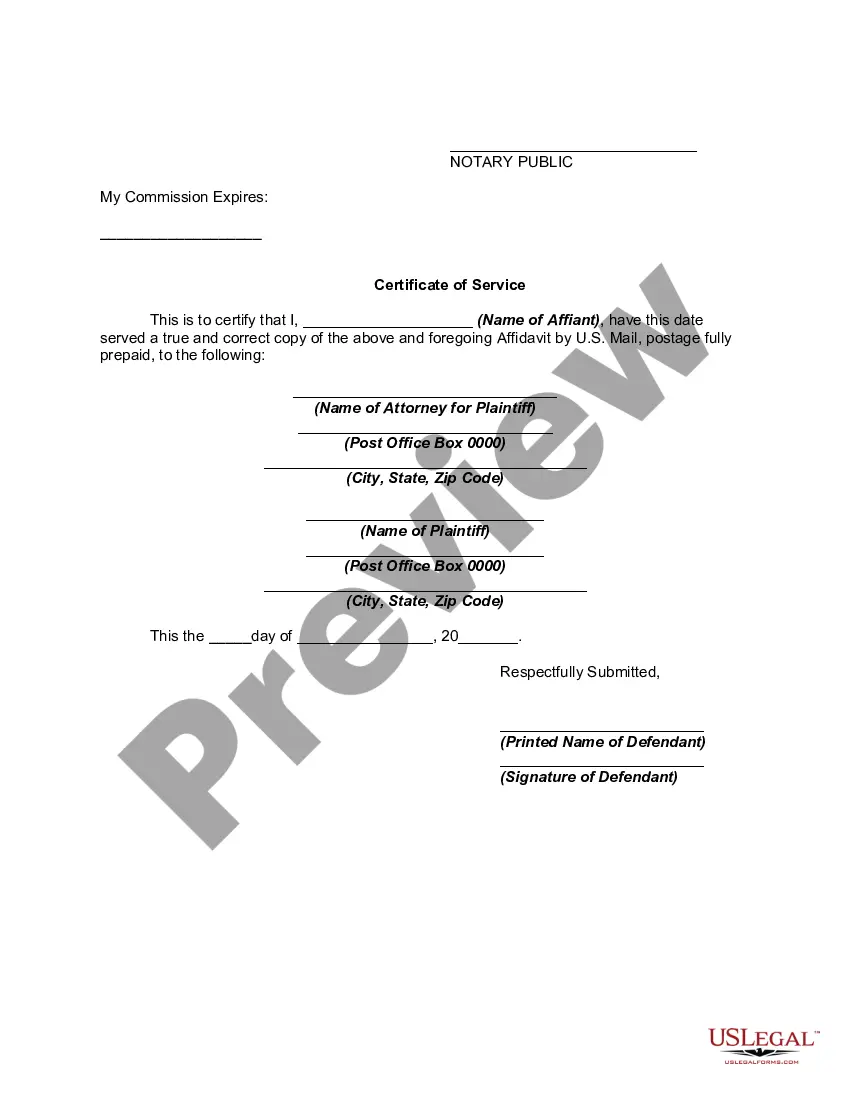




Get your form ready online
Our built-in tools help you complete, sign, share, and store your documents in one place.
Make edits, fill in missing information, and update formatting in US Legal Forms—just like you would in MS Word.
Download a copy, print it, send it by email, or mail it via USPS—whatever works best for your next step.
Sign and collect signatures with our SignNow integration. Send to multiple recipients, set reminders, and more. Go Premium to unlock E-Sign.
If this form requires notarization, complete it online through a secure video call—no need to meet a notary in person or wait for an appointment.
We protect your documents and personal data by following strict security and privacy standards.

Make edits, fill in missing information, and update formatting in US Legal Forms—just like you would in MS Word.

Download a copy, print it, send it by email, or mail it via USPS—whatever works best for your next step.

Sign and collect signatures with our SignNow integration. Send to multiple recipients, set reminders, and more. Go Premium to unlock E-Sign.

If this form requires notarization, complete it online through a secure video call—no need to meet a notary in person or wait for an appointment.

We protect your documents and personal data by following strict security and privacy standards.
Looking for another form?







Form popularity
FAQ
Nevada is a community property state. This means that each spouse owns 50% of the property assets and debts acquired during the marriage. Upon divorce or legal separation, courts distribute these assets and debts equally between the spouses.
Most states prohibit permanent alimony. Connecticut, Florida, New Jersey, North Carolina, Oregon, Vermont, and West Virginia are the only states that allow permanent alimony. Texas has alimony but rarely awards it through the court system.
Nevada divorce laws do not state a minimum time to be married to receive spousal support. Alimony will typically be awarded in marriages of 6 years or greater if there is a difference in incomes, and a spouse can justify the need for alimony.
Alimony is financial support from one spouse to the other after the dissolution of a marriage, so that both spouses may maintain a certain standard of living. Nevada law recognizes several types of alimony, including: Temporary maintenance (aka spousal support), Rehabilitative alimony.
Nevada doesn't have a formula or an absolute formula to calculate how much alimony to order. The laws made by Nevada's legislature, simply states alimony should be “just and equitable.”
What qualifies a recipient spouse for alimony in Florida are several factors, among them: The standard of living established during the marriage. The length of the marriage. Both spouse's financial resources, including the non-marital, marital property, assets, and liabilities.
40% of the high earner's net monthly income minus 50% of the low earner's net monthly income. For instance, if Spouse A earns $5,000 per month and Spouse B earns $2,500 per month, temporary spousal support might be calculated as follows: 40% of $5,000 = $2,000. 50% of $2,500 = $1,250.
However, the average alimony most spouses can receive in Florida will not exceed 40% of the gross income of the spouse paying the alimony. On the other hand, if the marriage has lasted less than seven years, then it will not exceed 20% of the gross income of the spouse paying.
How is alimony calculated in Nevada? Alimony calculations in Nevada are based on multiple factors, including the length of the marriage, each spouse's income, earning potential, financial needs, and the standard of living during the marriage.
There isn't a strict formula for calculating alimony in Nevada. Instead, courts use discretion based on the abovementioned factors to determine an appropriate amount and duration.
