Motion To Strike Form For Settlement Florida In Cook
Description

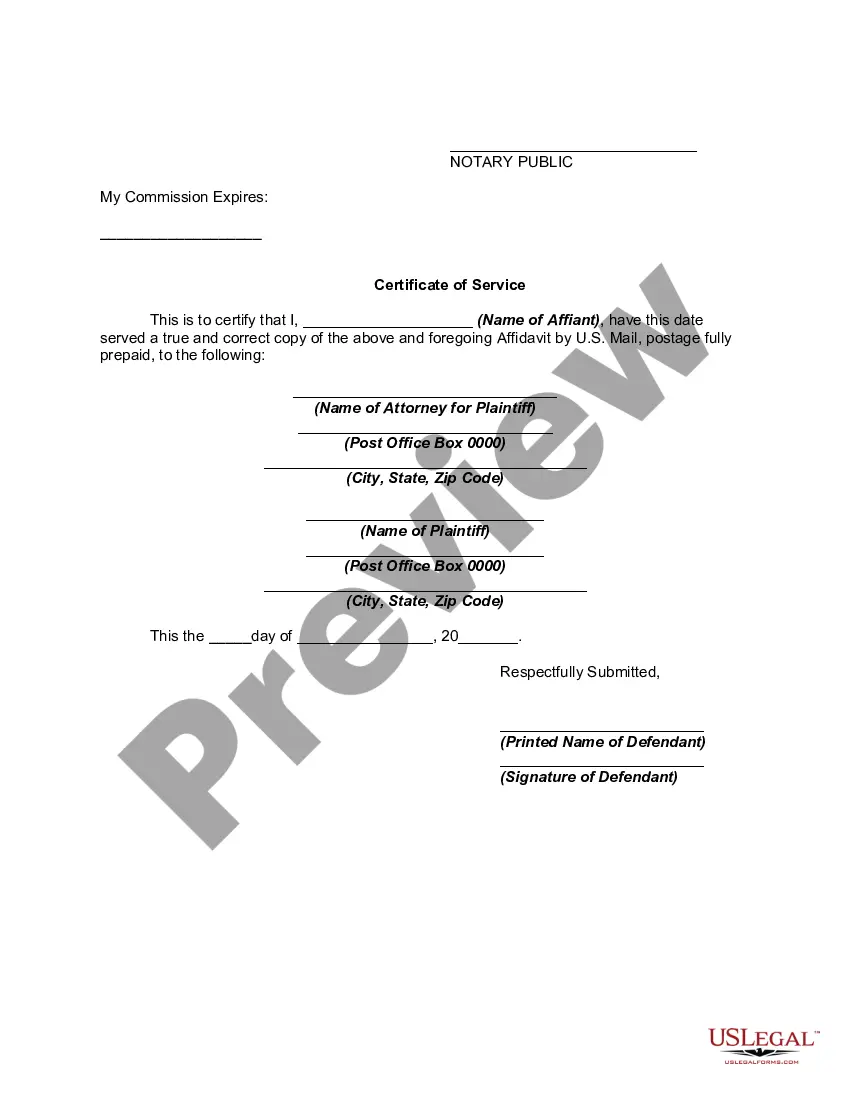




Get your form ready online
Our built-in tools help you complete, sign, share, and store your documents in one place.
Make edits, fill in missing information, and update formatting in US Legal Forms—just like you would in MS Word.
Download a copy, print it, send it by email, or mail it via USPS—whatever works best for your next step.
Sign and collect signatures with our SignNow integration. Send to multiple recipients, set reminders, and more. Go Premium to unlock E-Sign.
If this form requires notarization, complete it online through a secure video call—no need to meet a notary in person or wait for an appointment.
We protect your documents and personal data by following strict security and privacy standards.

Make edits, fill in missing information, and update formatting in US Legal Forms—just like you would in MS Word.

Download a copy, print it, send it by email, or mail it via USPS—whatever works best for your next step.

Sign and collect signatures with our SignNow integration. Send to multiple recipients, set reminders, and more. Go Premium to unlock E-Sign.

If this form requires notarization, complete it online through a secure video call—no need to meet a notary in person or wait for an appointment.

We protect your documents and personal data by following strict security and privacy standards.
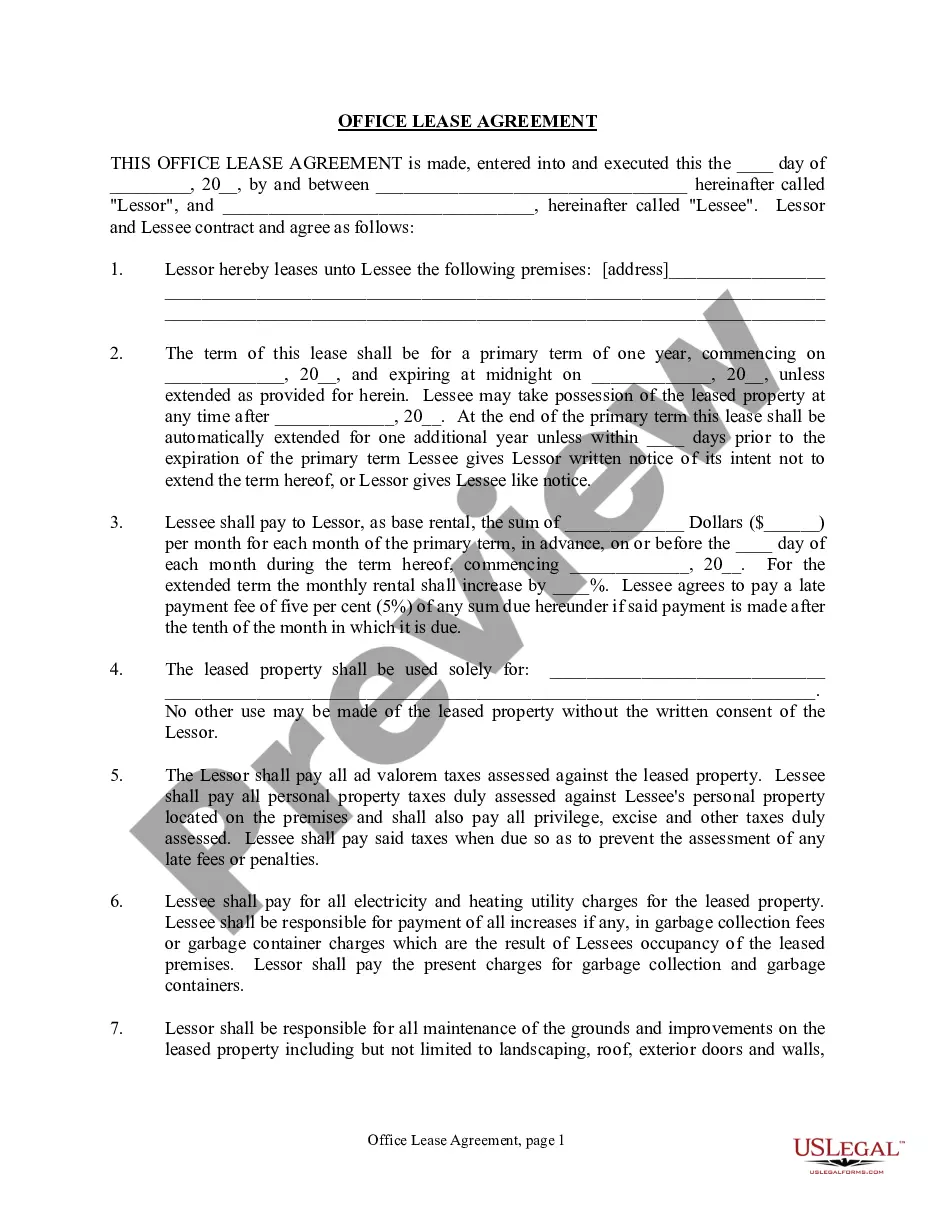
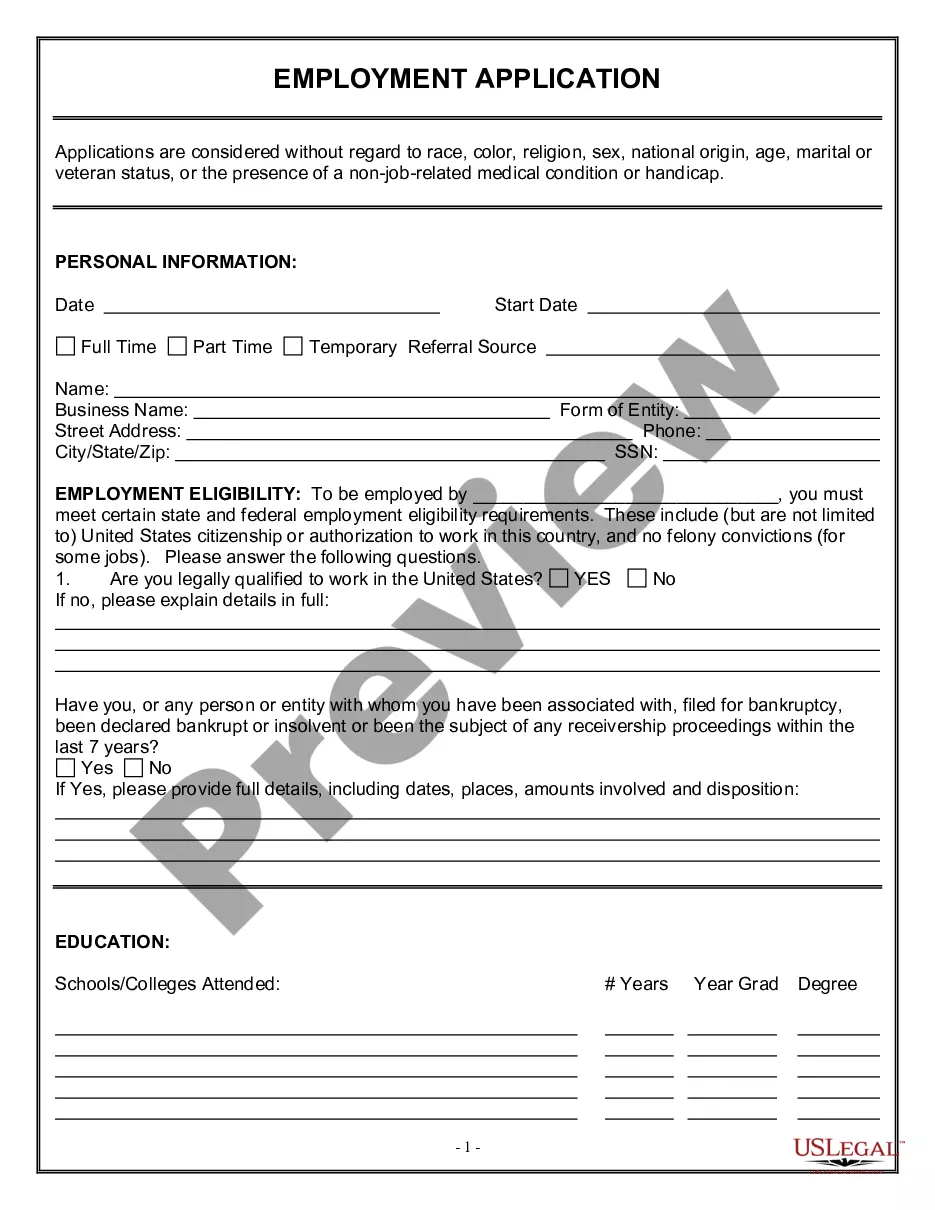
Looking for another form?





Form popularity
FAQ
(f) Motion to Strike. A party may move to strike or the court may strike redundant, immaterial, impertinent, or scandalous matter from any pleading at any time.
I. Reason for Motion to Strike A motion to strike can be brought to strike any “irrelevant, false or improper matter inserted in any pleading,” or to challenge a pleading that is “not drawn or filed in conformity with the laws of this state, a court rule or order of court.” (Code Civ. Proc., § 436.)
If you want to file a motion, the process is generally something like this: You write your motion. You file your motion with the court clerk. The court clerk inserts the date and time your motion will be heard by the judge. You “serve” (mail) your motion to the other side.
In addition to caption requirements, the motion must: (1) be in writing; (2) be signed by the party or party attorney making the motion; (3) state the grounds on which it is based; (4) be served on the adverse party; and (5) be alleged specifically and be sworn to by the defendant.
With the exception of motions filed pursuant to rule 9.410(b), a party may serve 1 response to a motion within 15 days of service of the motion. The court may shorten or extend the time for response to a motion.
Obtaining a settlement is a powerful way of ending lawsuits. Typical settlements include terms such as full releases, confidentiality, and cooperation. In 2022, however, the Florida Supreme Court amended Rule 1.442 which now excludes such nonmonetary terms in settlement proposals.
The Florida Courts E-Filing Portal is a statewide website mandated by the Florida Legislature and the E-Filing Authority that provides E-Filing capability to users with a single login.
If a party deems any pleading or part thereof filed by another party to be a sham, that party may move to strike the pleading or part thereof before the cause is set for trial and the court shall hear the motion, taking evidence of the respective parties, and if the motion is sustained, the pleading to which the motion ...
A motion to dismiss asks the court to dismiss either whole or part of a complaint, counterclaim, or crossclaim. Motion to strike or "Demurrer": In some jurisdictions, a motion to strike or a "demurrer" is the equivalent to a motion to dismiss for failure to state a claim upon which relief can be granted.
