Affidavit For Surviving Spouse In Chicago
Description

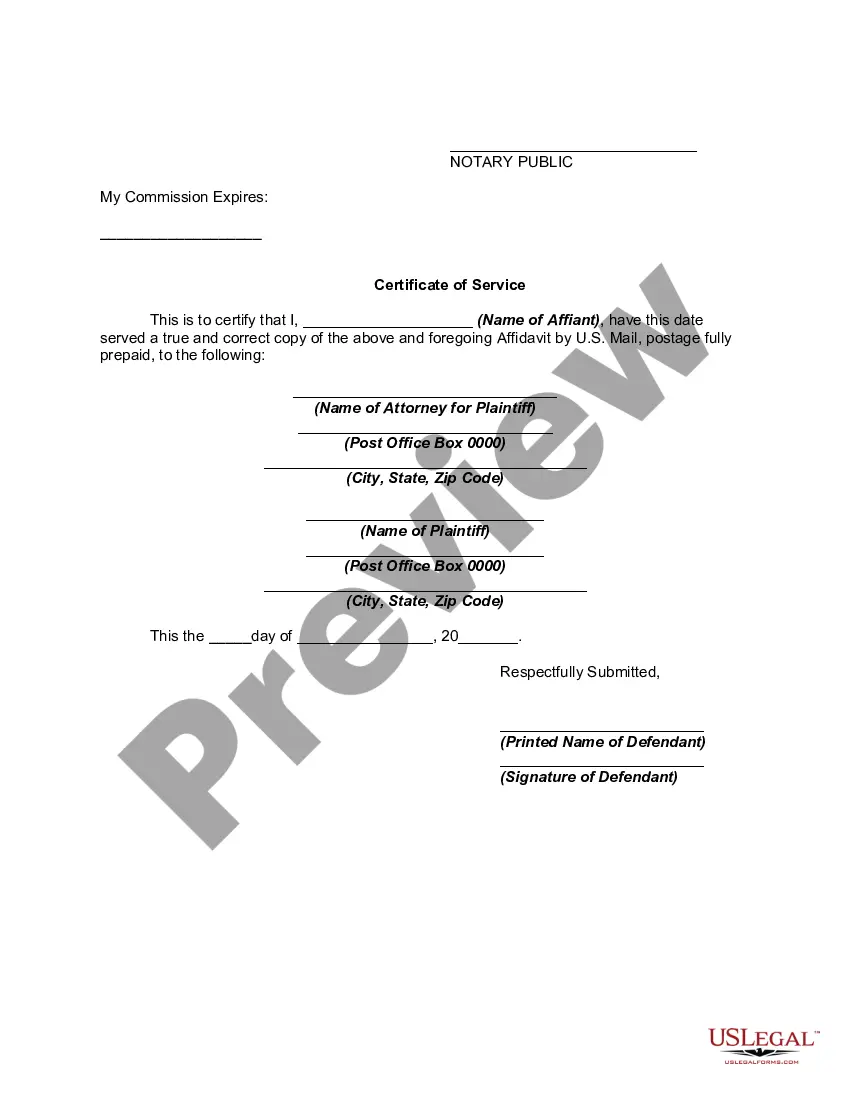




Get your form ready online
Our built-in tools help you complete, sign, share, and store your documents in one place.
Make edits, fill in missing information, and update formatting in US Legal Forms—just like you would in MS Word.
Download a copy, print it, send it by email, or mail it via USPS—whatever works best for your next step.
Sign and collect signatures with our SignNow integration. Send to multiple recipients, set reminders, and more. Go Premium to unlock E-Sign.
If this form requires notarization, complete it online through a secure video call—no need to meet a notary in person or wait for an appointment.
We protect your documents and personal data by following strict security and privacy standards.

Make edits, fill in missing information, and update formatting in US Legal Forms—just like you would in MS Word.

Download a copy, print it, send it by email, or mail it via USPS—whatever works best for your next step.

Sign and collect signatures with our SignNow integration. Send to multiple recipients, set reminders, and more. Go Premium to unlock E-Sign.

If this form requires notarization, complete it online through a secure video call—no need to meet a notary in person or wait for an appointment.

We protect your documents and personal data by following strict security and privacy standards.
Looking for another form?








Form popularity
FAQ
Though the affiant is not legally required to have a lawyer, it is wise for the affiant to hire one. It may seem wasteful to hire a lawyer when an estate is small, but many of the same rules that govern the full blown Illinois probate process apply to the affidavit.
Yes, an Affidavit of Lost Document Form needs the signature of a notary. Witnesses are not legally required.
Many times, it has been observed that the names on the documents do not correspond to the name on a signer's identification, or to the way their name is written on the title. The signature and name affidavit permit you to sign any of the name variants and therefore it needs to be notarized.
The form is fairly straightforward and requires the following information: Name, address, and date of death of the decedent. Whether the deceased person was ever married. Names of the surviving heirs. Statement that the deceased did not leave a will. Statement that you are an heir under your state intestacy law.
A valid Affidavit of Death requires the affiant to have personal knowledge of the deceased. Detailed identification of the deceased, the affiant's relationship with them, and the reason for the affidavit's execution should be clearly stated. Validation from a Notary Public is essential to certify its legality.
In this situation, an heir can simply file what is called an affidavit of heirship with the court. You may find this form on your state court website or through the court clerk's office, or you may need to have an attorney or legal services firm create one for you.
Though the affiant is not legally required to have a lawyer, it is wise for the affiant to hire one. It may seem wasteful to hire a lawyer when an estate is small, but many of the same rules that govern the full blown Illinois probate process apply to the affidavit.
The affidavit must be completed and notarized by an heir or executor. Essential details include the decedent's full name, death date, and last residence.
