Divorce Modification Without A Lawyer In California
Description

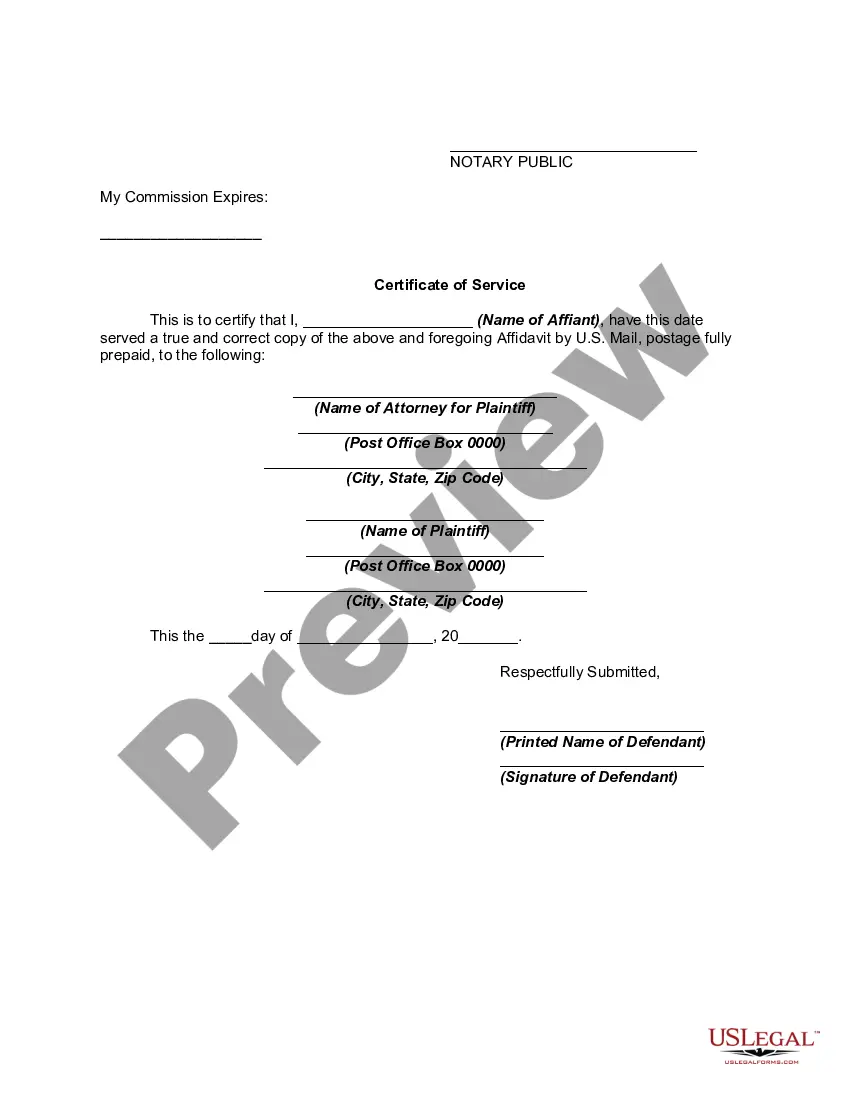




Get your form ready online
Our built-in tools help you complete, sign, share, and store your documents in one place.
Make edits, fill in missing information, and update formatting in US Legal Forms—just like you would in MS Word.
Download a copy, print it, send it by email, or mail it via USPS—whatever works best for your next step.
Sign and collect signatures with our SignNow integration. Send to multiple recipients, set reminders, and more. Go Premium to unlock E-Sign.
If this form requires notarization, complete it online through a secure video call—no need to meet a notary in person or wait for an appointment.
We protect your documents and personal data by following strict security and privacy standards.

Make edits, fill in missing information, and update formatting in US Legal Forms—just like you would in MS Word.

Download a copy, print it, send it by email, or mail it via USPS—whatever works best for your next step.

Sign and collect signatures with our SignNow integration. Send to multiple recipients, set reminders, and more. Go Premium to unlock E-Sign.

If this form requires notarization, complete it online through a secure video call—no need to meet a notary in person or wait for an appointment.

We protect your documents and personal data by following strict security and privacy standards.
Looking for another form?






Form popularity
FAQ
For an uncontested divorce in California, it will take approximately six months from the time the person filing officially lets his or her spouse know about the divorce for it to be finalized.
If you've been married less than five years and have no children, you may qualify for a simpler way to get divorced (summary dissolution).
Yes, you can amend a marital settlement, with both parties agreeing.
The good thing is that in the state of California, the dissatisfied partner can always apply for divorce modification to compel the court to at least change some of its final decisions in the final decree.
There is no minimum marriage length to qualify for alimony, but the easier it is for the lower-earning spouse to become self-sufficient, the less support they may receive.
FL 157 refers to California Family Law Form 157, which is a form used in family law cases in the state of California. The purpose of FL 157 is to provide a summary of the assets, debts, income, and expenses of the parties involved in a divorce or legal separation case.
In California, divorce settlements are not set in stone and can be modified under certain circumstances. Whether due to changes in financial status, child-related issues, or other significant life events, it is possible to seek adjustments to the terms of a divorce agreement.
If a full appeal of a Final Judgment of the Dissolution of Marriage is not the best legal course of action, it might be possible for one party to seek a modification of some or all of the terms of the decree. This is done by the party seeking the change filing a motion with the judge who signed off on the order.
If you and your spouse can agree to change support, you can write-up your agreement and submit it to the court for a judge to sign.
A wife in California can be entitled to up to half of the assets in the marriage along with up to 40% of their partner's income for child support, spousal support, and primary child custody.
