Surviving Spouse Requirements In Arizona
Description

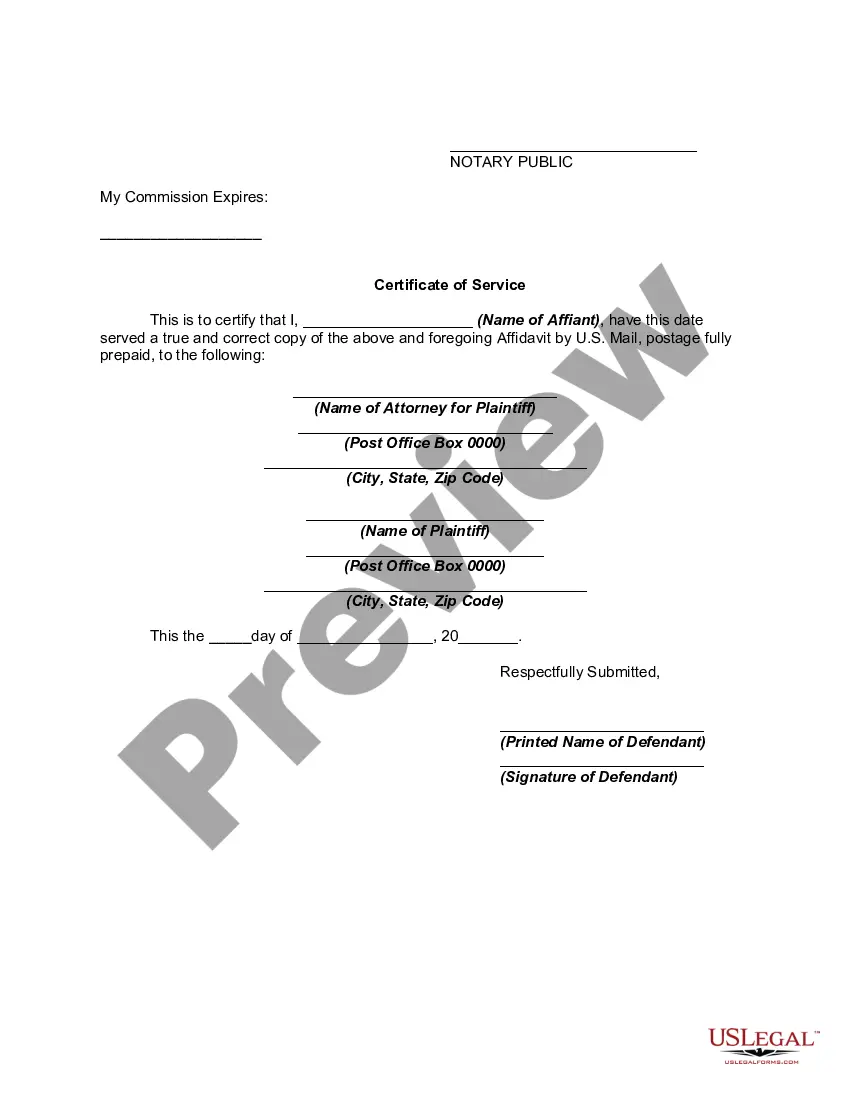




Get your form ready online
Our built-in tools help you complete, sign, share, and store your documents in one place.
Make edits, fill in missing information, and update formatting in US Legal Forms—just like you would in MS Word.
Download a copy, print it, send it by email, or mail it via USPS—whatever works best for your next step.
Sign and collect signatures with our SignNow integration. Send to multiple recipients, set reminders, and more. Go Premium to unlock E-Sign.
If this form requires notarization, complete it online through a secure video call—no need to meet a notary in person or wait for an appointment.
We protect your documents and personal data by following strict security and privacy standards.

Make edits, fill in missing information, and update formatting in US Legal Forms—just like you would in MS Word.

Download a copy, print it, send it by email, or mail it via USPS—whatever works best for your next step.

Sign and collect signatures with our SignNow integration. Send to multiple recipients, set reminders, and more. Go Premium to unlock E-Sign.

If this form requires notarization, complete it online through a secure video call—no need to meet a notary in person or wait for an appointment.

We protect your documents and personal data by following strict security and privacy standards.
Looking for another form?









Form popularity
FAQ
To qualify for the Qualifying Surviving Spouse filing status, you must meet these four requirements: You qualified for Married Filing Jointly with your spouse for the year they died. You didn't remarry. You have a child, stepchild, or adopted child you claim as your tax dependent.
If the decedent was married and had no surviving descendants (children, grandchildren, etc.), all of the decedent's separate property and the decedent's entire one-half interest in community property passes to the surviving spouse.
Ing to Arizona inheritance laws, the deceased's spouse is typically entitled to inherit their entire intestate estate. This applies when there are no children from the marriage or where all the children are also the spouse's children.
If you have a spouse but no descendants, your spouse will receive your assets. For those who are married and have descendants with their spouse, the spouse will inherit everything. For people with a spouse and children from another partnership, the spouse will inherit half of all separate property.
Spouses and ex-spouses You may be eligible if you: Are age 60 or older, or age 50–59 if you have a disability, and. Were married for at least 9 months before your spouse's death, and. Didn't remarry before age 60 (age 50 if you have a disability).
Taxpayers can claim the qualifying surviving spouse filing status if all of the following conditions are met: You were entitled to file a joint return with your spouse for the year your spouse died. Have had a spouse who died in either of the two prior years. You must not remarry before the end of the current tax year.
If you're not married you can choose anyone to be your beneficiary. However, if you're married, or are planning to get married, please be aware that by law, your spouse is your default beneficiary, regardless of who you may have been your beneficiary before getting married.
If your surviving spouse isn't on the mortgage, federal law provides protections allowing them to assume the mortgage and keep the home. This is assuming they (and not someone else) inherit the property.
For a community property in California, it depends upon when and how their spouse acquired the property. The law asserts that all property purchased during the marriage, with income that was earned during the marriage, is community property.
