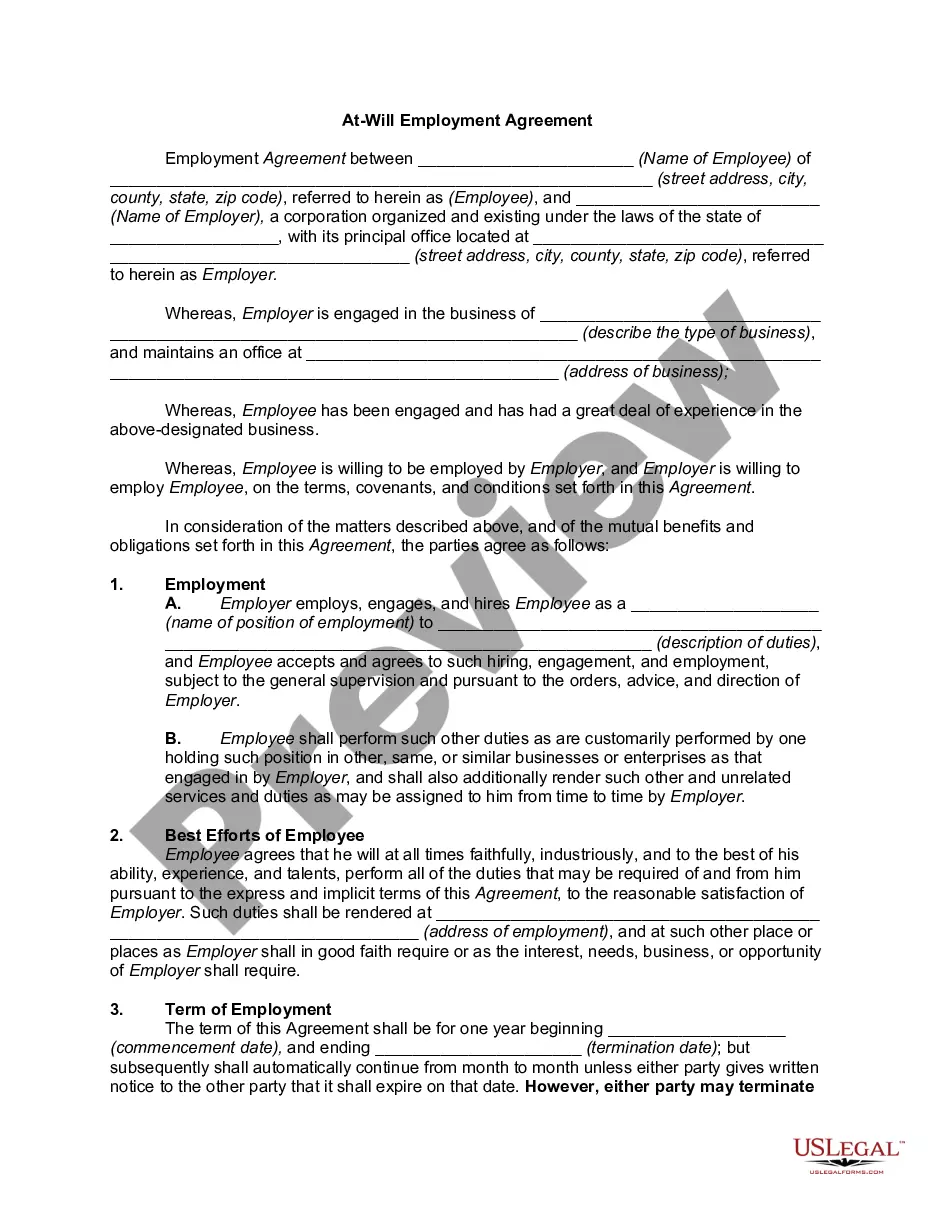
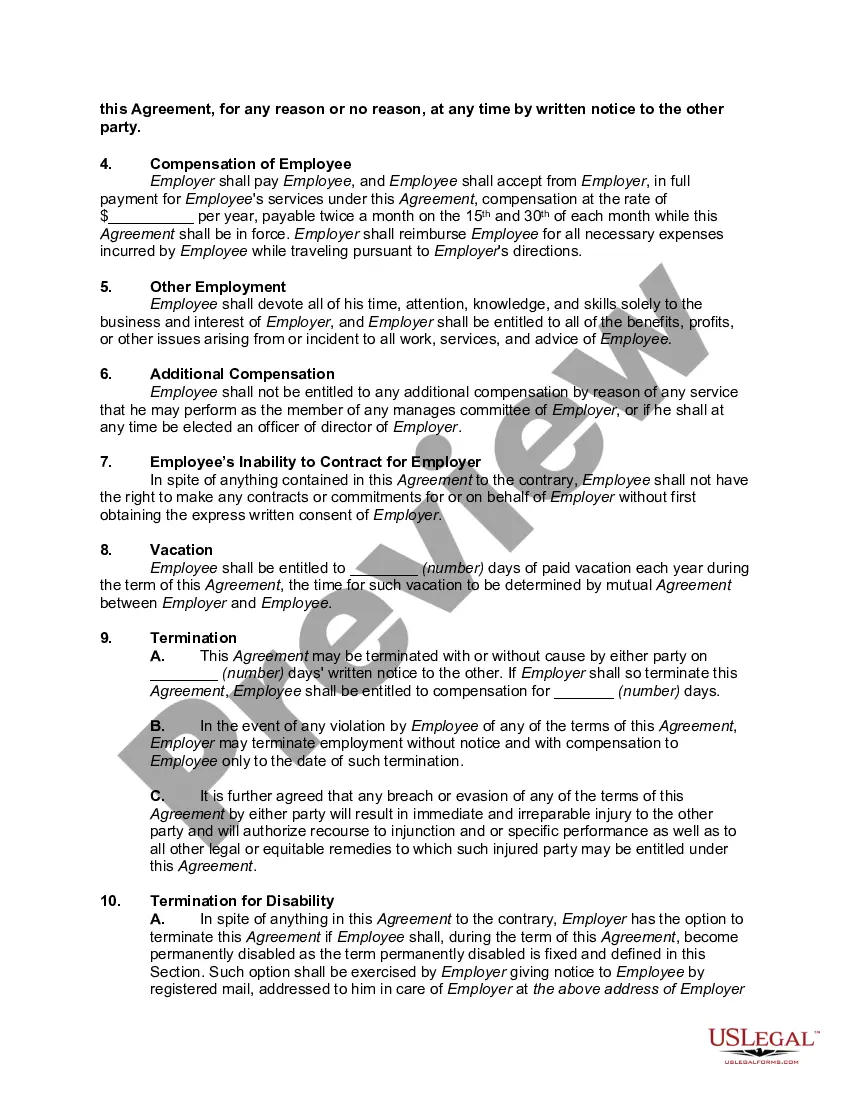
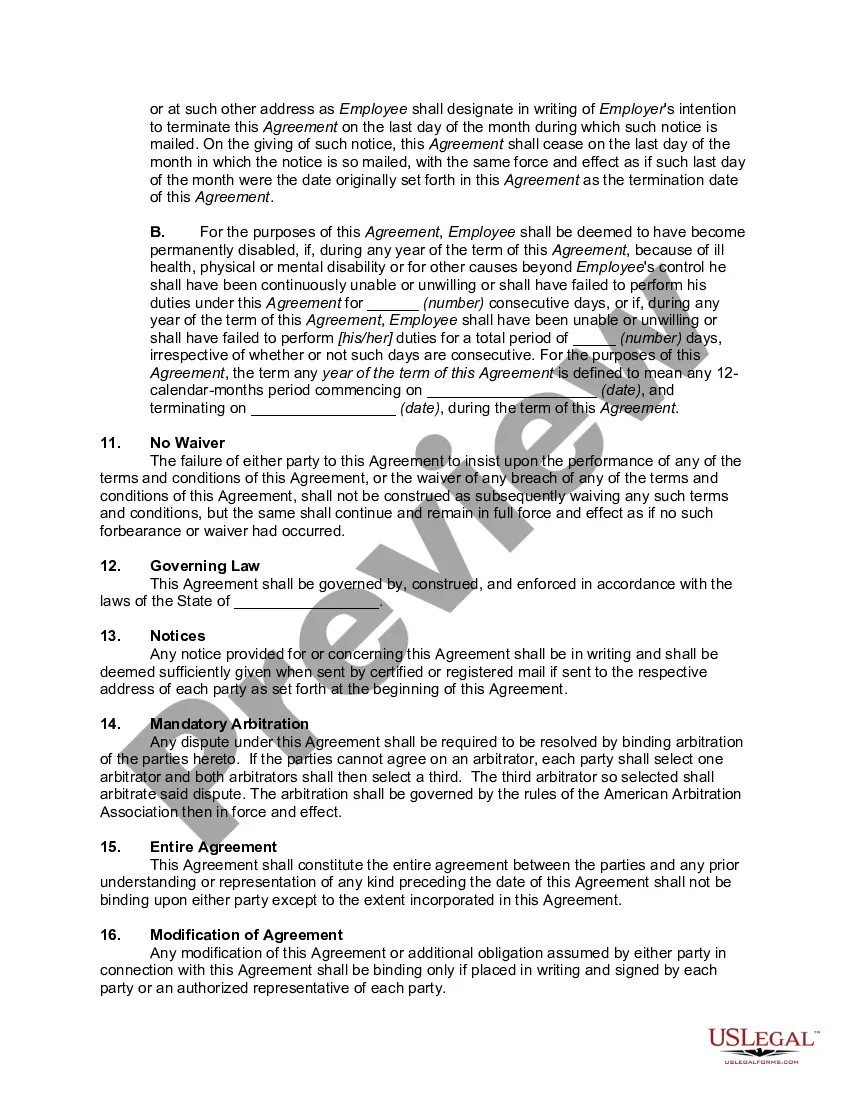
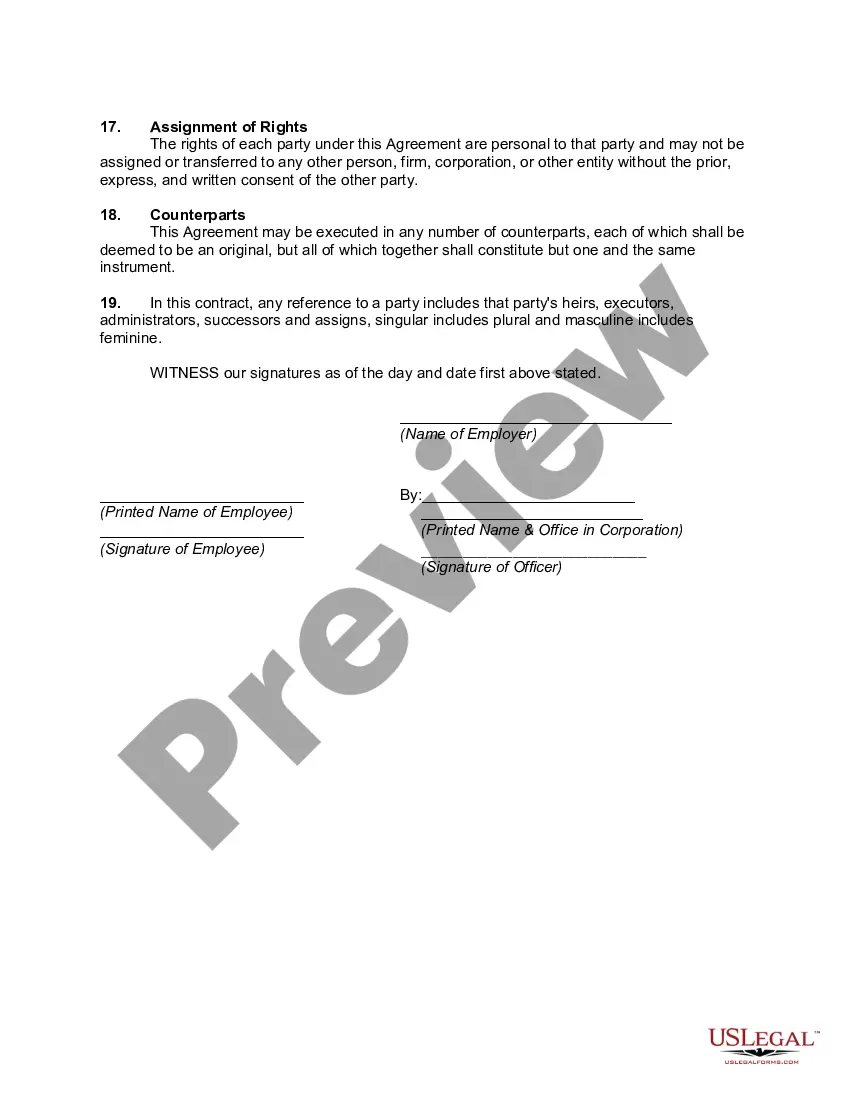
At-will Employment Example In Pima
Description
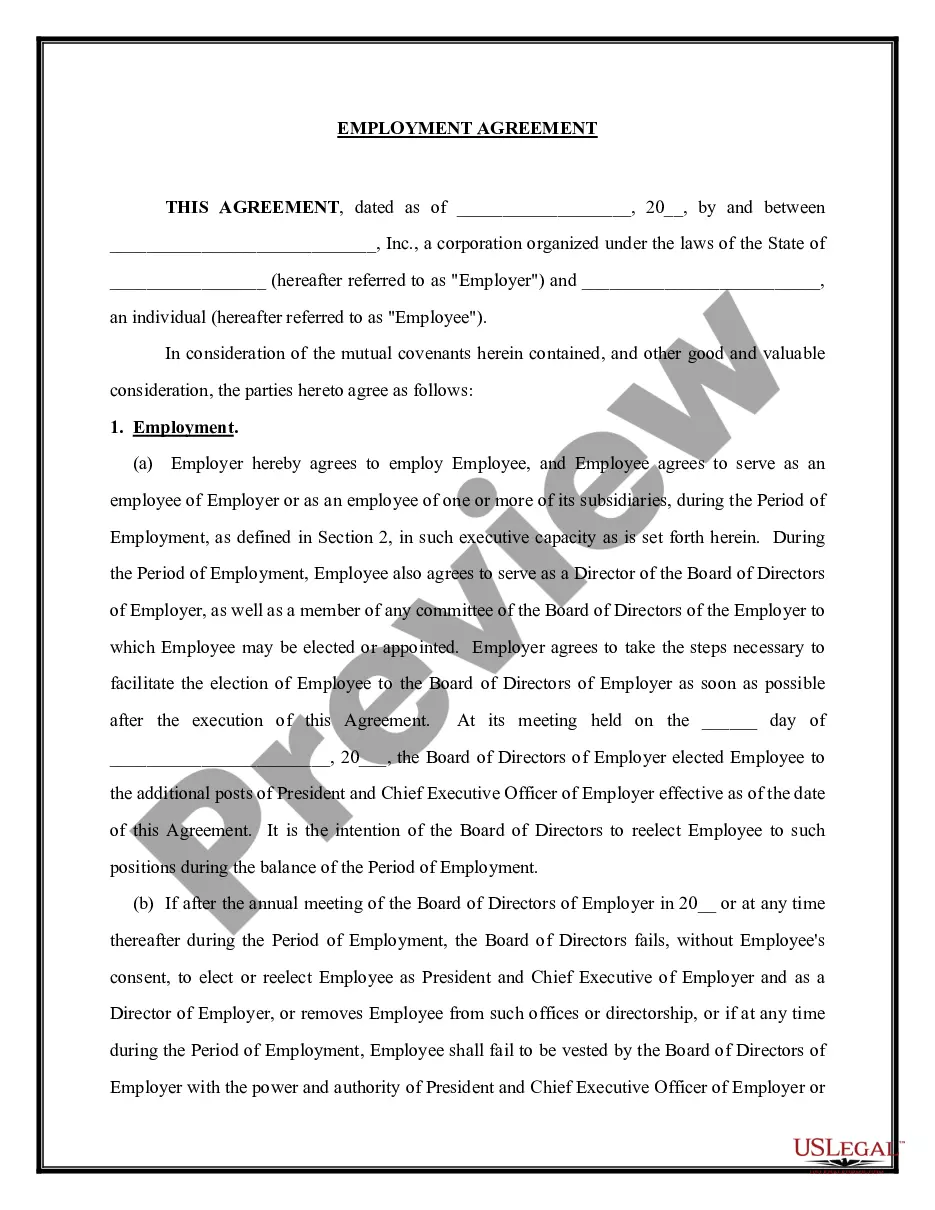
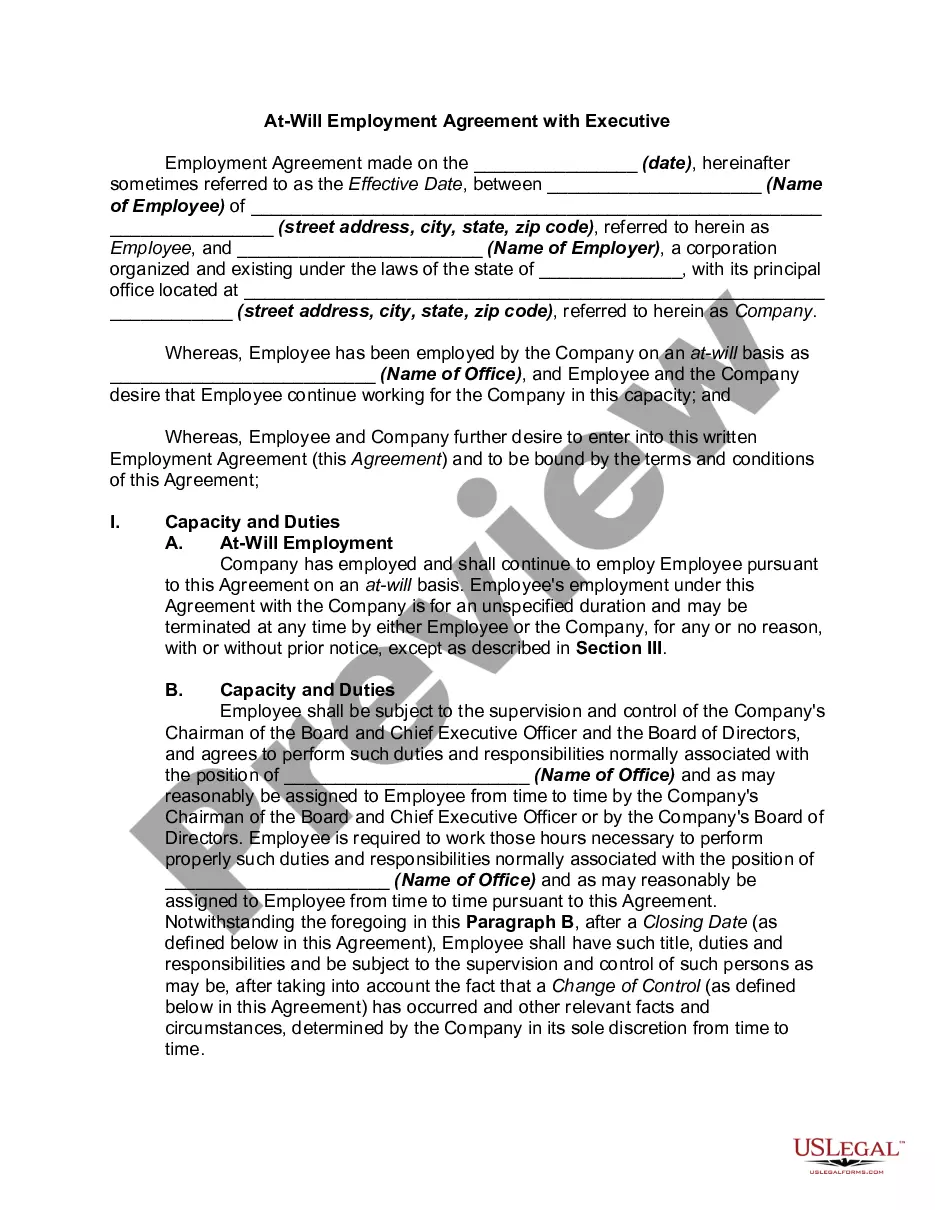
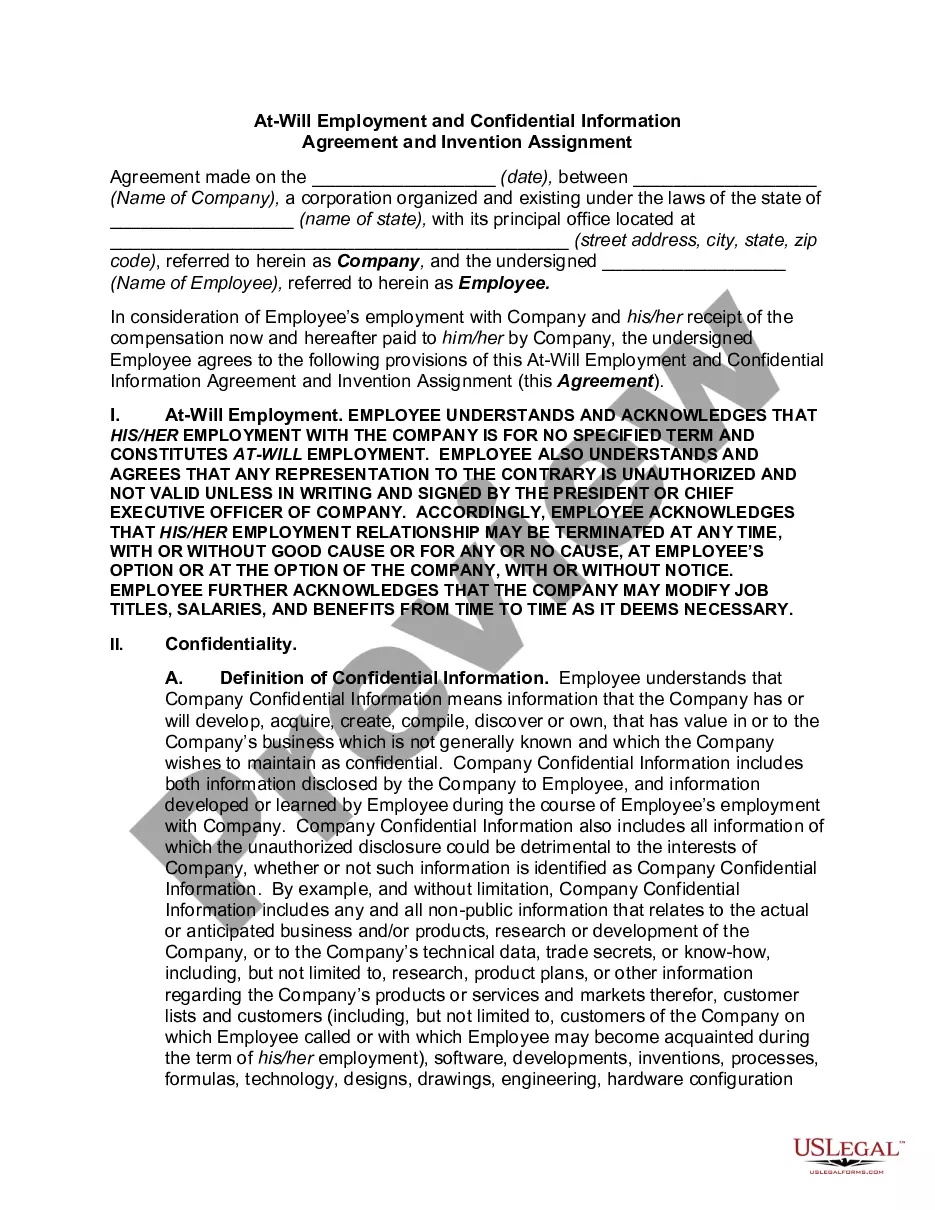
Get your form ready online
Our built-in tools help you complete, sign, share, and store your documents in one place.
Make edits, fill in missing information, and update formatting in US Legal Forms—just like you would in MS Word.
Download a copy, print it, send it by email, or mail it via USPS—whatever works best for your next step.
Sign and collect signatures with our SignNow integration. Send to multiple recipients, set reminders, and more. Go Premium to unlock E-Sign.
If this form requires notarization, complete it online through a secure video call—no need to meet a notary in person or wait for an appointment.
We protect your documents and personal data by following strict security and privacy standards.

Make edits, fill in missing information, and update formatting in US Legal Forms—just like you would in MS Word.

Download a copy, print it, send it by email, or mail it via USPS—whatever works best for your next step.

Sign and collect signatures with our SignNow integration. Send to multiple recipients, set reminders, and more. Go Premium to unlock E-Sign.

If this form requires notarization, complete it online through a secure video call—no need to meet a notary in person or wait for an appointment.

We protect your documents and personal data by following strict security and privacy standards.
Looking for another form?









Form popularity
FAQ
Executive and the Company acknowledge that this employment relationship may be terminated at any time, upon written acknowledgment that this employment relationship may be terminated at any time, upon written notice to the other party, with or without good cause or for any or no cause, at the option either of the ...
To protect yourself and make sure you're doing right by your team, it's best to know the circumstances when you can't terminate at-will employees. Federal law states two main exceptions to at-will employment, which are discrimination and retaliation.
Statutory Exceptions Federal and state discriminatory statutes prohibit employers from basing employment decisions, including termination decisions, on an employee's race, color, sex, national origin, age, disability, veteran status, and other protected classes.
Exceptions to Employment at Will Courts have established three basic exceptions to the at will doctrine: public policy, implied contract, and implied covenant of good faith.
Exceptions to At-Will Employment: Employment contracts or agreements that stipulate specific terms and conditions. Implied promises of continued employment based on an employer's statements or actions. Violation of public policy, such as retaliatory termination for whistleblowing.
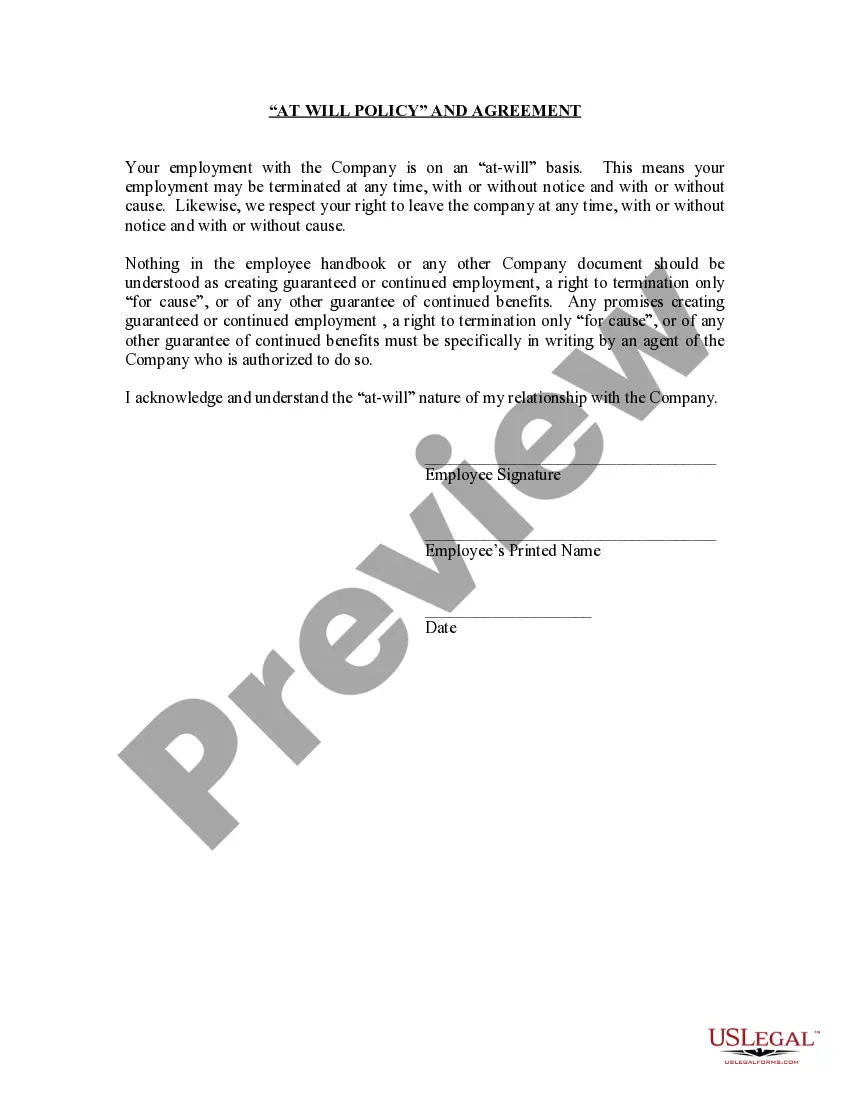
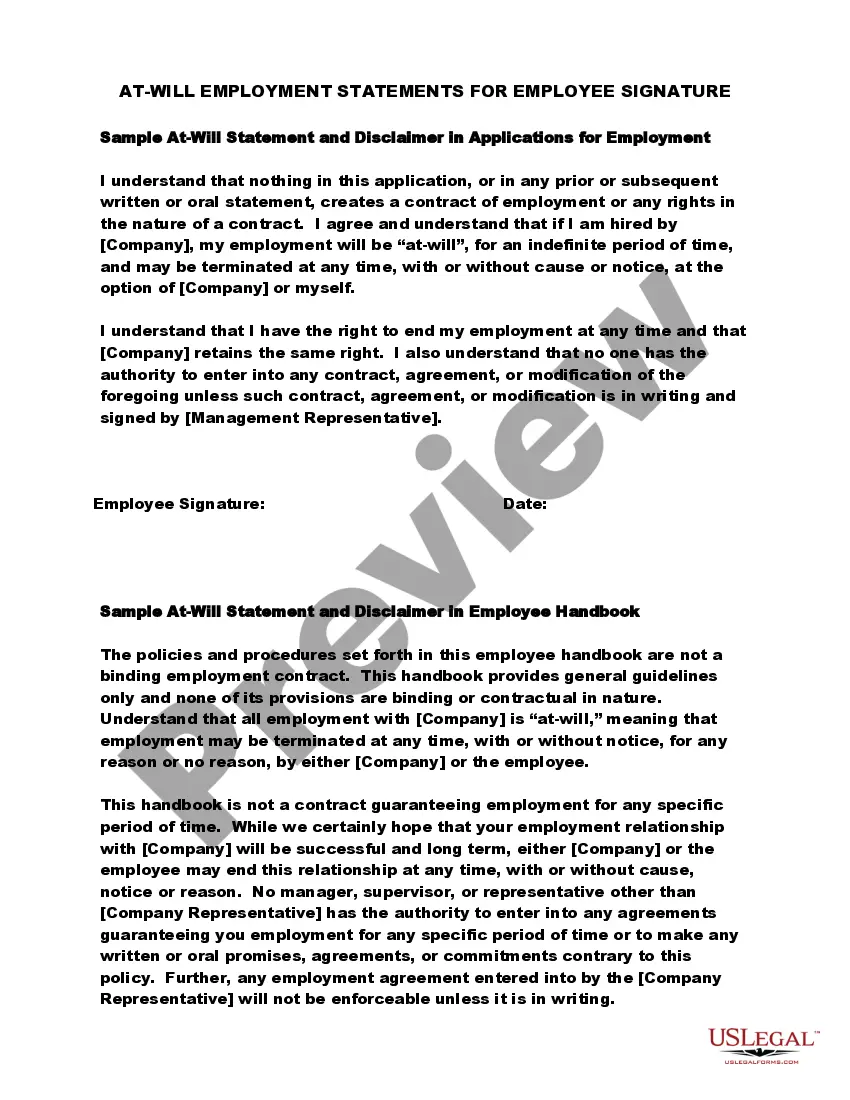
Example of an At-Will Employment Clause Here's one we've put together for you: “Your employment with employer name is at-will. This means your employment is for an indefinite period of time and it is subject to termination by you or employer name, with or without cause, with or without notice, and at any time.”
In Arizona, employment is “at-will.” A.R.S. § 23-1501. At-will employment means that the employer can fire the employee at any time or the employee can quit at any time.
Exceptions to Employment at Will Courts have established three basic exceptions to the at will doctrine: public policy, implied contract, and implied covenant of good faith.
Your employment with the University is on an “at-will” basis. This means your employment may be terminated at any time, with or without notice and with or without cause. Likewise, we respect your right to leave the University at any time, with or without notice and with or without cause.
