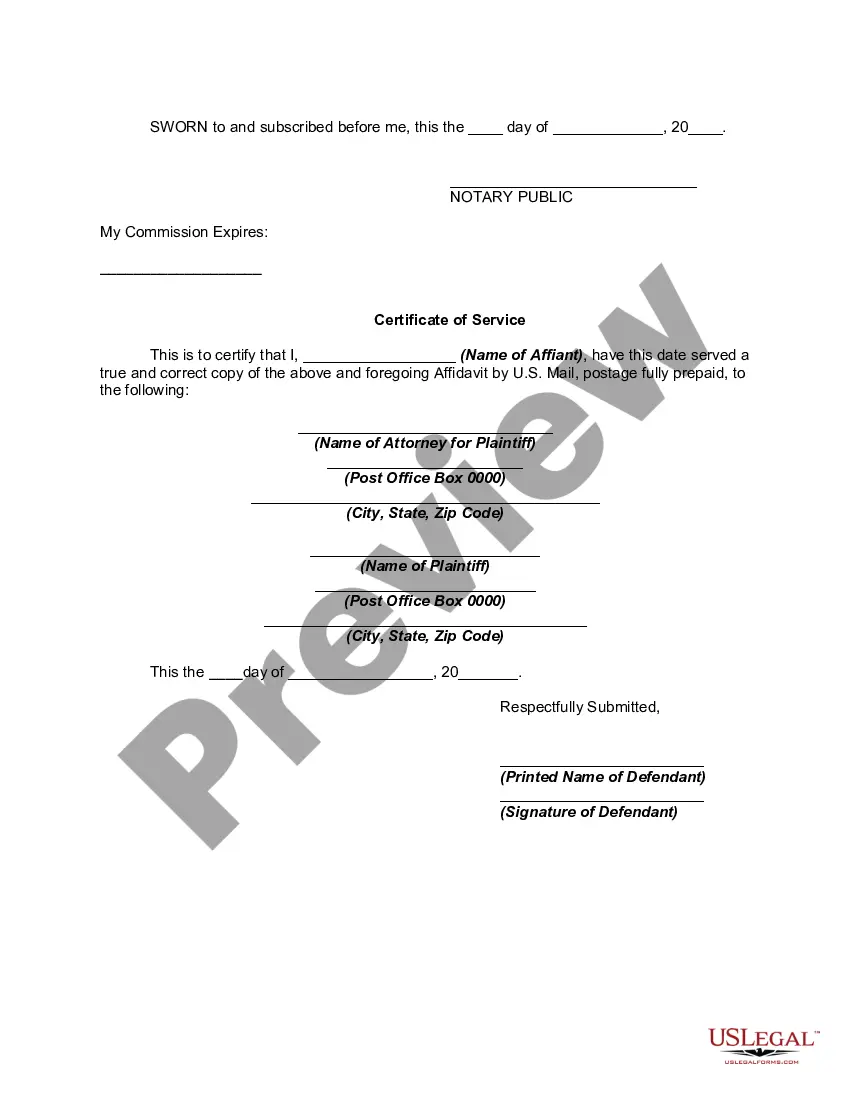
Affidavit Amend Form For School In Texas
Description




Get your form ready online
Our built-in tools help you complete, sign, share, and store your documents in one place.
Make edits, fill in missing information, and update formatting in US Legal Forms—just like you would in MS Word.
Download a copy, print it, send it by email, or mail it via USPS—whatever works best for your next step.
Sign and collect signatures with our SignNow integration. Send to multiple recipients, set reminders, and more. Go Premium to unlock E-Sign.
If this form requires notarization, complete it online through a secure video call—no need to meet a notary in person or wait for an appointment.
We protect your documents and personal data by following strict security and privacy standards.

Make edits, fill in missing information, and update formatting in US Legal Forms—just like you would in MS Word.

Download a copy, print it, send it by email, or mail it via USPS—whatever works best for your next step.

Sign and collect signatures with our SignNow integration. Send to multiple recipients, set reminders, and more. Go Premium to unlock E-Sign.

If this form requires notarization, complete it online through a secure video call—no need to meet a notary in person or wait for an appointment.

We protect your documents and personal data by following strict security and privacy standards.
Looking for another form?









Form popularity
FAQ
An AFFIDAVIT OF RESIDENCE requires that both the parent/guardian of the child and the resident to appear before the campus Principal (or designee), present photo ID's, a copy of the resident's proof of residency as evidenced by an entire current utility bill (current or prior month), and a notarized AFFIDAVIT OF ...
School Enrollment: Many schools, especially public ones, have specific district boundaries. If you want to enroll your child in a school within a particular district, you often need a residency affidavit to prove you reside within those boundaries. This helps the school confirm your child's eligibility for enrollment.
To write a letter for proof of residence, provide your legal name, certify your address and the length of time you've lived there, note any other residents living at that address, and type a legally binding oath about the accuracy of the information provided; you should also be prepared to have a landlord and/or notary ...
Acceptable residency documents: A utility or residential service bill dated within 180 days of the date of application. Examples of acceptable statements include, but are not limited to; electric, water, gas, internet, cable, streaming services, lawn service, cellular telephone, etc.
General Affidavits must be signed in front of a notary public. A notary must verify your identification before you sign the document. Make sure to bring ID (like a driver's license or other form of identification) for the notary before you sign the affidavit.
How do I fill this out? Gather your vehicle information including license plate, VIN, and make/model/year. Complete the affidavit by certifying that the information provided is true. Sign the form under the penalty of perjury. Double-check all entries for accuracy and completeness.
But notarization is required in the following circumstances: Filing a lien with a county clerk. Filing a document related to real or personal property with a county clerk. Taking an oath of office or an oath administered by a specific official (not a notary public).
General Affidavits must be signed in front of a notary public. A notary must verify your identification before you sign the document. Make sure to bring ID (like a driver's license or other form of identification) for the notary before you sign the affidavit.
A legal affidavit must be signed by the person making the statement to be considered legally binding. In many cases, the affiant must also sign the document in front of a witness. That witness is often the notary public, but they could be anyone willing to swear the signature is authentic.
