Affidavit Motion Amend For Default Dissolution In Tarrant
Description

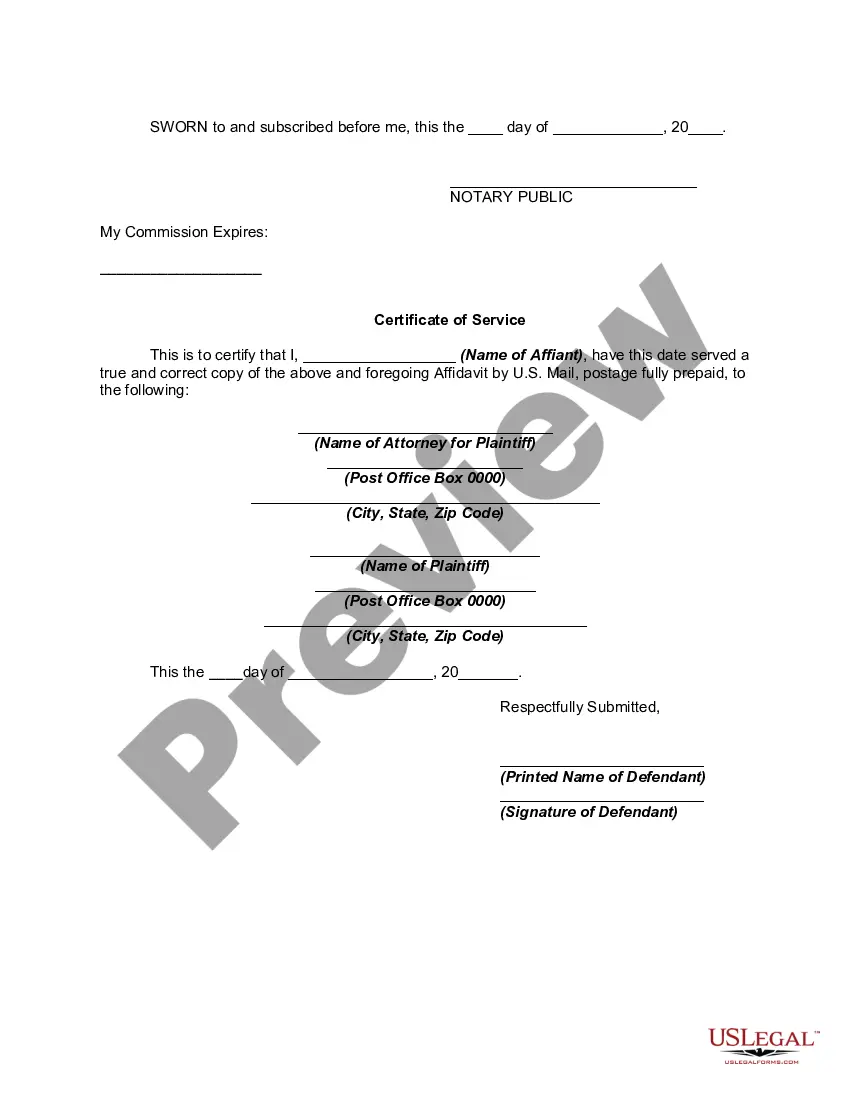



Get your form ready online
Our built-in tools help you complete, sign, share, and store your documents in one place.
Make edits, fill in missing information, and update formatting in US Legal Forms—just like you would in MS Word.
Download a copy, print it, send it by email, or mail it via USPS—whatever works best for your next step.
Sign and collect signatures with our SignNow integration. Send to multiple recipients, set reminders, and more. Go Premium to unlock E-Sign.
If this form requires notarization, complete it online through a secure video call—no need to meet a notary in person or wait for an appointment.
We protect your documents and personal data by following strict security and privacy standards.

Make edits, fill in missing information, and update formatting in US Legal Forms—just like you would in MS Word.

Download a copy, print it, send it by email, or mail it via USPS—whatever works best for your next step.

Sign and collect signatures with our SignNow integration. Send to multiple recipients, set reminders, and more. Go Premium to unlock E-Sign.

If this form requires notarization, complete it online through a secure video call—no need to meet a notary in person or wait for an appointment.

We protect your documents and personal data by following strict security and privacy standards.
Looking for another form?







Form popularity
FAQ
Critical Differences That Matter Affidavits demand notarization and an oath, adding an extra authentication layer but requiring more time and expense. Declarations simplify the process—you sign, add the perjury statement, and date the document. Practical considerations for both: Courts may specifically require one type.
"Proving Up" At the prove-up, "you appear before the judge and give evidence and testimony as to the terms of your divorce." During the COVID-19 pandemic, many courts started requesting something called a "prove-up affidavit." They asked for this document because they were not able to hold divorce hearings in person.
Similar to an Affidavit, a Declaration is a signed document featuring a statement the person signing swears to be true. However, a Declaration only features the author's signature; it is not witnessed or authenticated by a commissioner of oaths or notary public.
Once you have filled out the important details on the general affidavit, you must have the document notarized, for which you must appear in person at a notary public in Texas. The notary must verify your identity and see you sign the general affidavit form.
In common law, a declaration ordinarily refers to a judgment of the court or an award of an arbitration tribunal that is a binding adjudication of the rights or other legal relations of the parties which does not provide for or order enforcement.
An affidavit is “a voluntary declaration of facts written down and sworn to by a declarant, usually before an officer authorized to administer oaths,” like a notary. A declaration is “a formal statement, proclamation, or announcement, especially one embodied in an instrument.” (Black Law Dictionary, 11th ed.)
The affidavit of fact's role in the legal system can't be overstated. Its ability to provide proof and establish truth makes it an invaluable tool in court proceedings. It's also versatile, finding use in various contexts like business transactions and legal disputes.
This sworn statement is a written declaration made under oath, signed by the individual (or individuals) involved and often notarized. Its primary function is to present crucial information, facts, and declarations to the court, serving as a cornerstone of evidence and representation during divorce proceedings.
Steps To Obtain An Affidavit Step 1: Identify The Type Of Affidavit You Need. Determine the specific type of affidavit required. Step 2: Prepare Your Information. Gather all necessary information. Step 3: Draft The Affidavit. Compose the affidavit clearly and concisely. Step 4: Get The Affidavit Notarized.
