Affidavit Motion Amend For Emergency Ex Parte Order In San Jose
Description




Get your form ready online
Our built-in tools help you complete, sign, share, and store your documents in one place.
Make edits, fill in missing information, and update formatting in US Legal Forms—just like you would in MS Word.
Download a copy, print it, send it by email, or mail it via USPS—whatever works best for your next step.
Sign and collect signatures with our SignNow integration. Send to multiple recipients, set reminders, and more. Go Premium to unlock E-Sign.
If this form requires notarization, complete it online through a secure video call—no need to meet a notary in person or wait for an appointment.
We protect your documents and personal data by following strict security and privacy standards.

Make edits, fill in missing information, and update formatting in US Legal Forms—just like you would in MS Word.

Download a copy, print it, send it by email, or mail it via USPS—whatever works best for your next step.

Sign and collect signatures with our SignNow integration. Send to multiple recipients, set reminders, and more. Go Premium to unlock E-Sign.

If this form requires notarization, complete it online through a secure video call—no need to meet a notary in person or wait for an appointment.

We protect your documents and personal data by following strict security and privacy standards.
Looking for another form?





Form popularity
FAQ
The Ex Parte Application must show there is an emergency such that there will be irreparable harm or immediate danger if the order is not granted. An Ex Parte Application should only be filed when there is not enough time to hear a regularly noticed motion (16 court days minimum).
You can get an ex parte order overturned. If the judge in your case issues a temporary order, you'll receive notice of another hearing – the one in which the judge will decide whether to let the order expire or to make it permanent.
In civil procedure, ex parte is used to refer to motions for orders that can be granted without waiting for a response from the other side. Generally, these are orders that are only in place until further hearings can be held, such as a temporary restraining order.
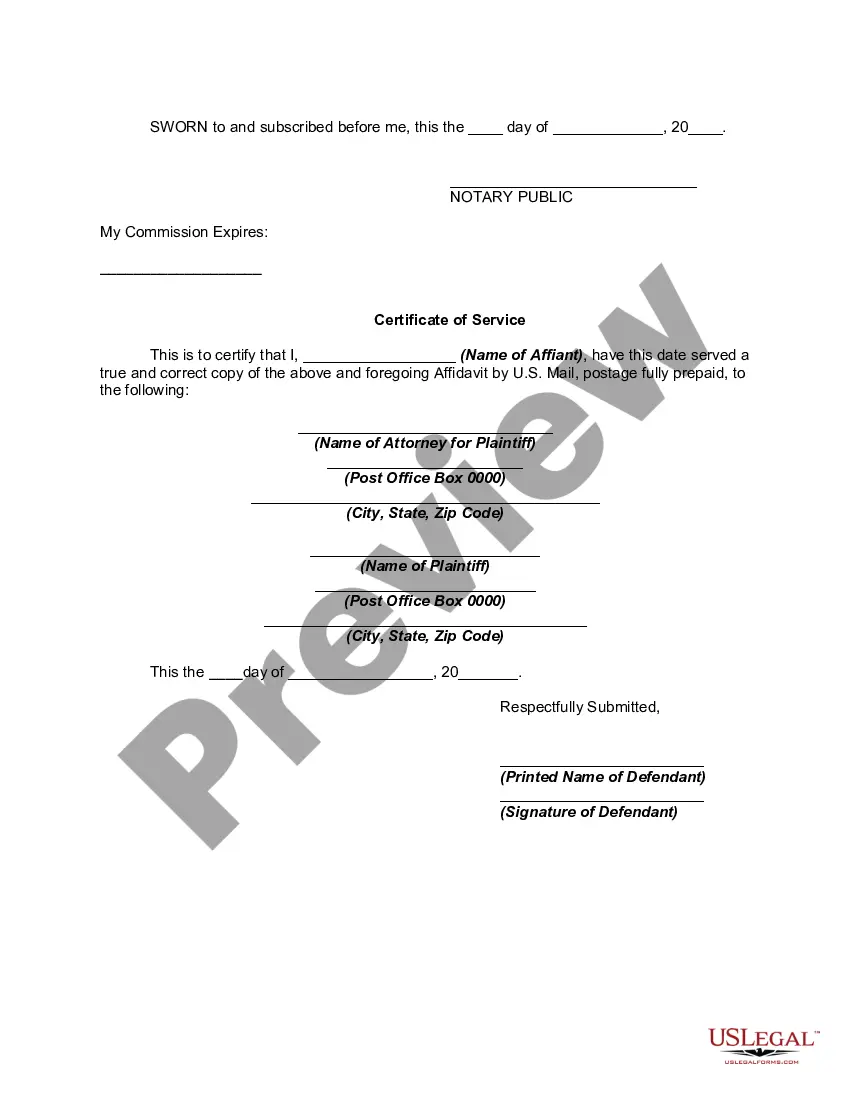
An applicant must make an affirmative factual showing in a declaration containing competent testimony based on personal knowledge of irreparable harm, immediate danger, or any other statutory basis for granting relief ex parte.
Denial of the ex parte motion likely meant the Court was not convinced that the immediate grant of your request was necessary to protect the individual or the individual's rights. Don't forget the ex parte motion is one of the few times when the court system does not offer both parties a level playing field.
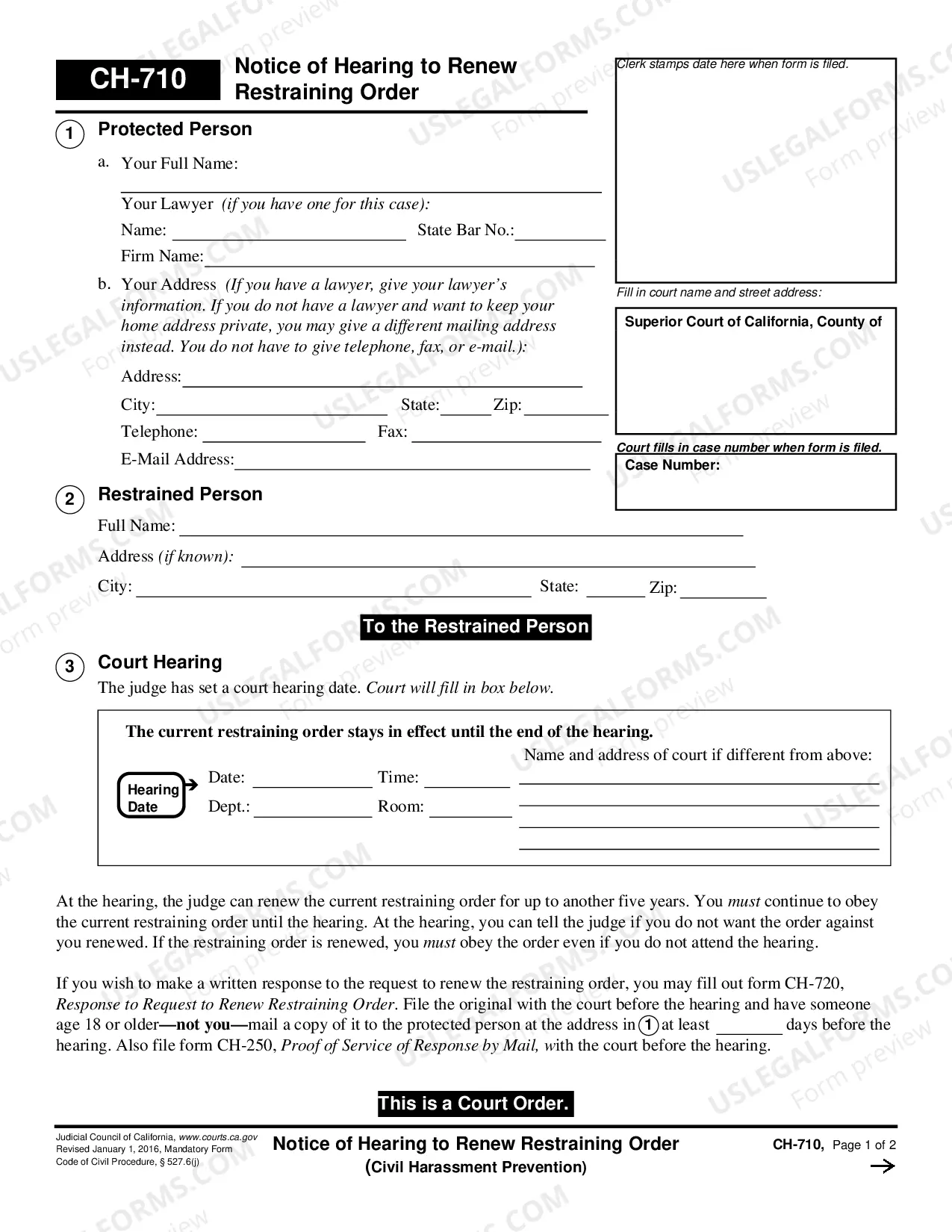
If you want to object to and change the ex parte order, you must file an objection and motion within 14 days after you are served with the ex parte order. After you file the objection and motion, the friend of the court is required to attempt to resolve the dispute within 14 days after receiving your objection.
Request for Order (form FL-300) If you received a Request for Order (form FL-300), it means the other person in your family law case is asking the judge to make a decision. The court sets a date to hear from both sides (a hearing) before it makes a decision.
The affidavit usually contains information about the parent-child relationship, the parent's capacity to meet the child's emotional and physical needs, the child's medical and educational background, and any other pertinent information that could aid the court in determining the child's custody.
If the judge made any emergency orders, they last until your court hearing.
