Affidavit Motion Amend For Merit In New York
Description

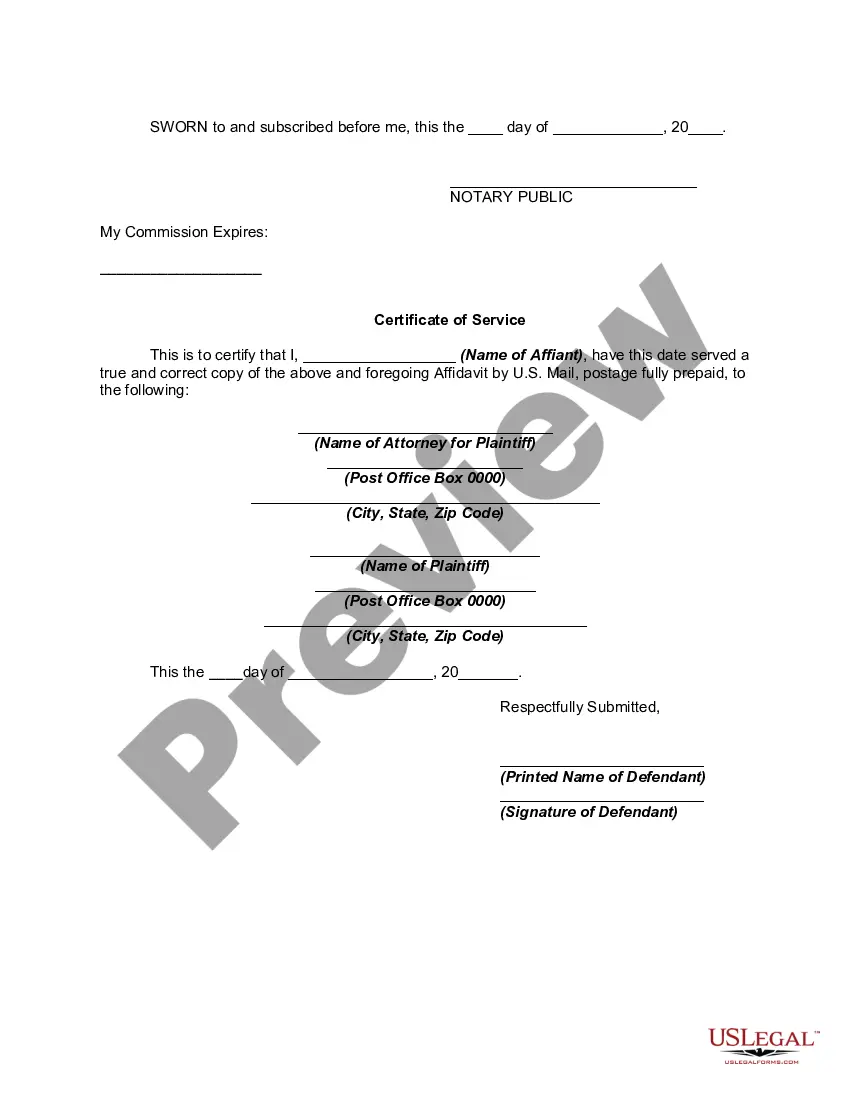



Get your form ready online
Our built-in tools help you complete, sign, share, and store your documents in one place.
Make edits, fill in missing information, and update formatting in US Legal Forms—just like you would in MS Word.
Download a copy, print it, send it by email, or mail it via USPS—whatever works best for your next step.
Sign and collect signatures with our SignNow integration. Send to multiple recipients, set reminders, and more. Go Premium to unlock E-Sign.
If this form requires notarization, complete it online through a secure video call—no need to meet a notary in person or wait for an appointment.
We protect your documents and personal data by following strict security and privacy standards.

Make edits, fill in missing information, and update formatting in US Legal Forms—just like you would in MS Word.

Download a copy, print it, send it by email, or mail it via USPS—whatever works best for your next step.

Sign and collect signatures with our SignNow integration. Send to multiple recipients, set reminders, and more. Go Premium to unlock E-Sign.

If this form requires notarization, complete it online through a secure video call—no need to meet a notary in person or wait for an appointment.

We protect your documents and personal data by following strict security and privacy standards.
Looking for another form?






Form popularity
FAQ
Because answering an easy question may raise a more difficult one, a rational judge may delay resolution even if he has perfect information about the correct decision. Furthermore, because otherwise unrelated questions may raise similar follow-ups, he may optimally clump decisions together.
It is difficult to provide an exact answer to this question, as the amount of time it takes for a judge to rule on a motion to dismiss can vary depending on a number of factors. Generally, it can take anywhere from a few days to a few weeks for a judge to reach a decision on a motion to dismiss.
Responding papers are due two days before the motion date. If the motion is served sixteen days in advance instead of eight, then answering papers or a cross motion must be served seven days before the motion date. Any reply is due two days before the return date.
A party may amend his or her pleading, or supplement it by setting forth additional or subsequent transactions or occurrences, at any time by leave of court or by stipulation of all parties. Leave shall be freely given upon such terms as may be just including the granting of costs and continuances.
Sometimes, the Judge makes a decision right away. If not, the Judge has 60 days by law to decide the motion.
Specifically, pursuant to Uniform Rule 202.7 (f), upon an application for an order to show cause that seeks a temporary restraining order, the application must contain an affirmation demonstrating that there will be significant prejudice to the party seeking the restraining order by the giving of notice.
Rule 54(a) defines “judgment” as including a decree and “any order from which an appeal lies.” Subdivision (d) of Rule 56 indicates clearly, however, that a partial summary “judgment” is not a final judgment, and, therefore, that it is not appealable, unless in the particular case some statute allows an appeal from the ...
The odds of winning a summary judgment, known as the grant rate, vary widely by case type. The most common grant of summary judgment is in Title VII and employment cases. These are granted in whole in 49.2% of cases, in part in 23.3% of cases, and denied in 27.5% of cases.
A party may amend his pleading once without leave of court within twenty days after its service, or at any time before the period for responding to it expires, or within twenty days after service of a pleading responding to it.
