Affidavit Motion Amend Without In Montgomery
Description

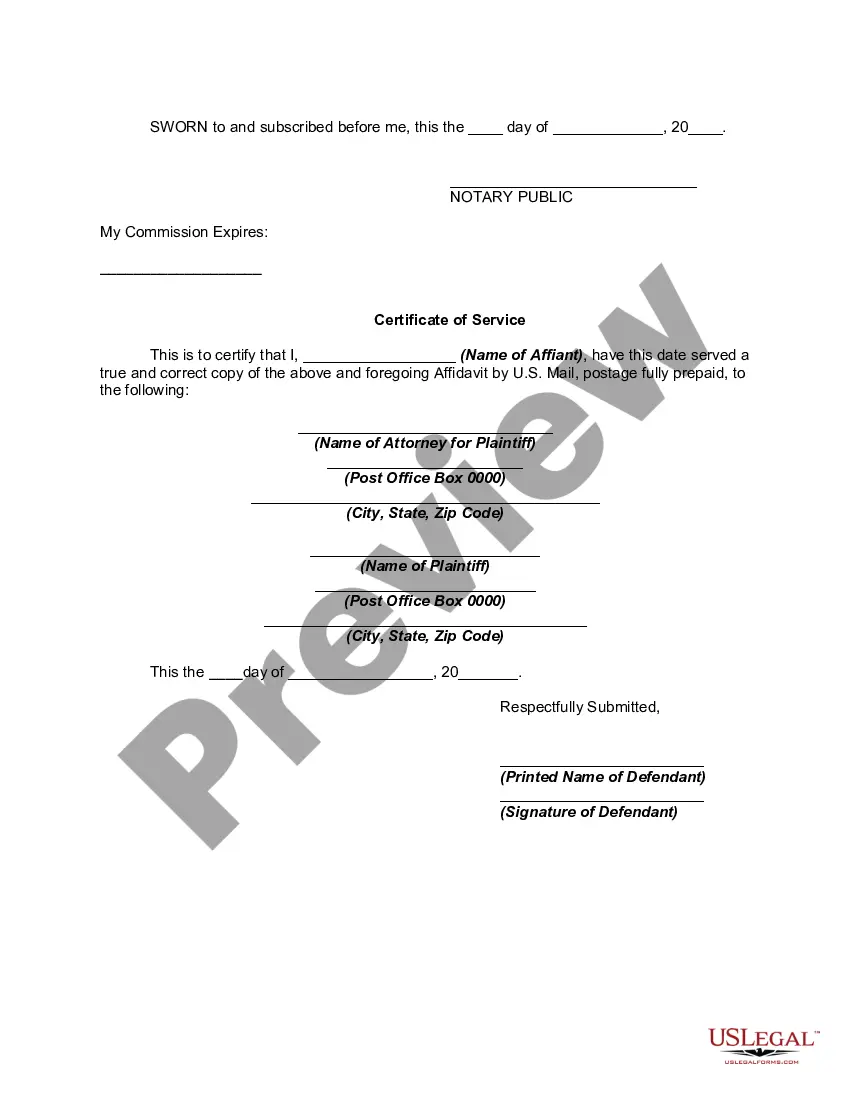



Get your form ready online
Our built-in tools help you complete, sign, share, and store your documents in one place.
Make edits, fill in missing information, and update formatting in US Legal Forms—just like you would in MS Word.
Download a copy, print it, send it by email, or mail it via USPS—whatever works best for your next step.
Sign and collect signatures with our SignNow integration. Send to multiple recipients, set reminders, and more. Go Premium to unlock E-Sign.
If this form requires notarization, complete it online through a secure video call—no need to meet a notary in person or wait for an appointment.
We protect your documents and personal data by following strict security and privacy standards.

Make edits, fill in missing information, and update formatting in US Legal Forms—just like you would in MS Word.

Download a copy, print it, send it by email, or mail it via USPS—whatever works best for your next step.

Sign and collect signatures with our SignNow integration. Send to multiple recipients, set reminders, and more. Go Premium to unlock E-Sign.

If this form requires notarization, complete it online through a secure video call—no need to meet a notary in person or wait for an appointment.

We protect your documents and personal data by following strict security and privacy standards.
Looking for another form?








Form popularity
FAQ
If you see a potential for a motion to dismiss, this is an opportunity to inform the client how much legal expertise is necessary for such a filing. In other words, they will be facing a daunting challenge trying to represent themselves and will likely need an attorney more than ever.
If you want to file a motion, the process is generally something like this: You write your motion. You file your motion with the court clerk. The court clerk inserts the date and time your motion will be heard by the judge. You “serve” (mail) your motion to the other side.
If you want to file a motion, the process is generally something like this: You write your motion. You file your motion with the court clerk. The court clerk inserts the date and time your motion will be heard by the judge. You “serve” (mail) your motion to the other side.
Oral motion - You can make a motion verbally (orally) while in court. This can be at the initial appearance, at a status appearance, or during a hearing. Usually, you can use an oral motion when the request is not complicated, or if it is an urgent request that you are hoping the judge will grant that day.
How to Write a Kick-Ass Motion Make an Outline. Keep Your Motion Simple. Maintain Credibility. Mind Your Citations. Focus on Facts. Keep Your Intro Short. Respect the Opposition. Write in English, Not Legalese.
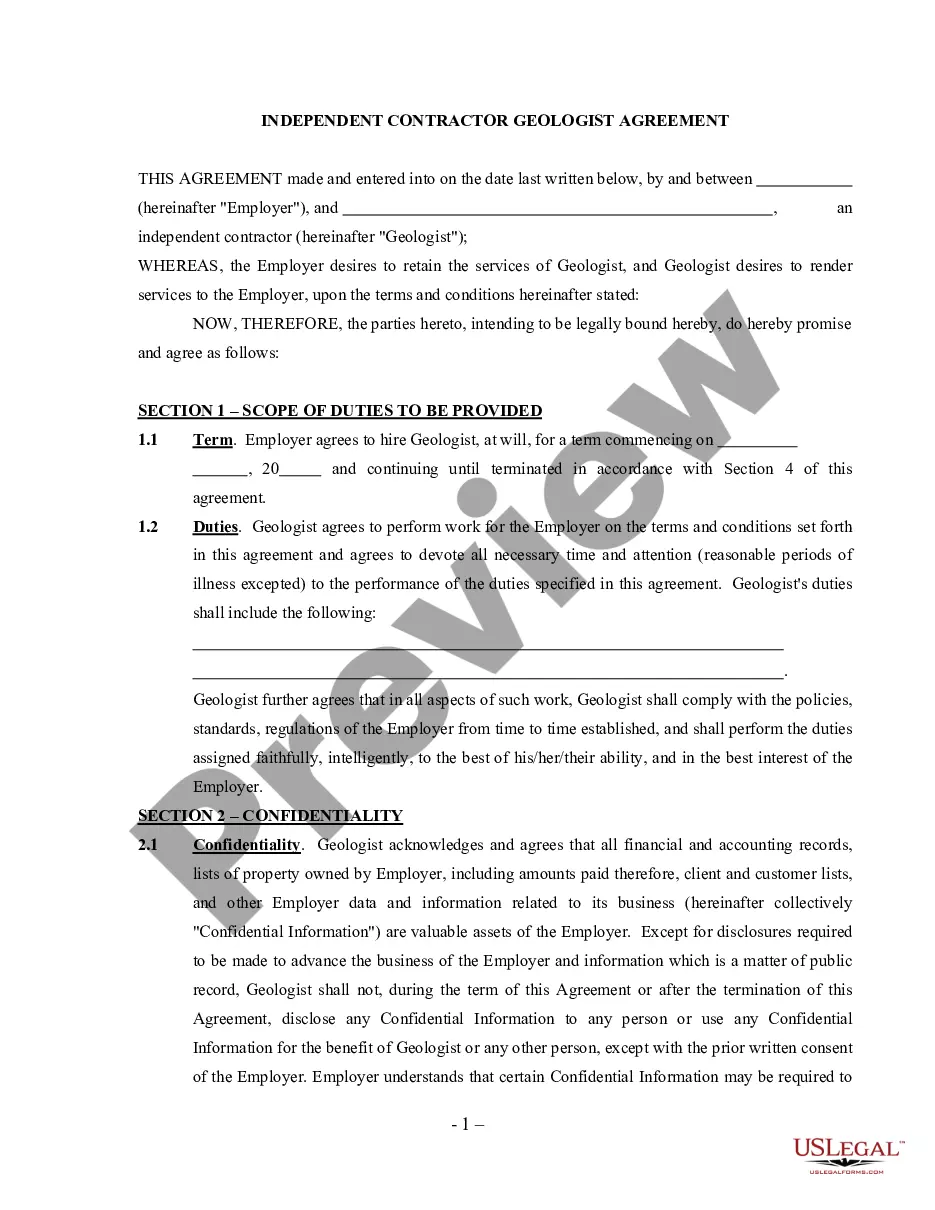
An affidavit for service must include the server's personal information (name, address, and contact details), the specifics of the service (date, time, and method of delivery), and a declaration of truth, swearing under oath that the information is accurate.
Your answer should include the court name, case name, case number, and your affirmative defenses. Print three copies of your answer. File one with the clerk's office and mail (or “serve”) one to the plaintiff or plaintiff's attorney.
Writing a Persuasive Motion to Dismiss Be Clear and Concise: Use straightforward language and be diligent with proofreading. Stay Focused on the Legal Issues: Avoid unnecessary details and stick to the relevant legal arguments. Support Every Claim: Use statutes, case law, and rules of procedure to back up your points.
A legal affidavit must be signed by the person making the statement to be considered legally binding. In many cases, the affiant must also sign the document in front of a witness. That witness is often the notary public, but they could be anyone willing to swear the signature is authentic.
