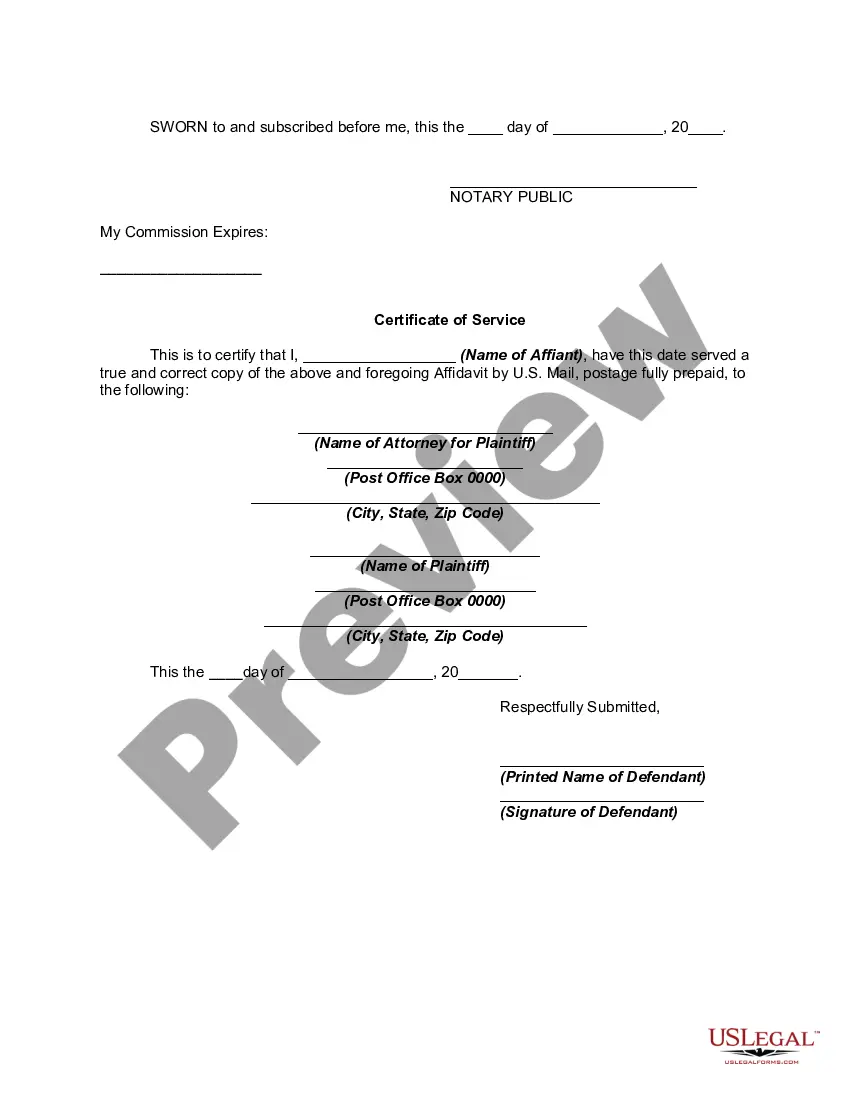
Affidavit Motion Amend For Default Dissolution In Montgomery
Description




Get your form ready online
Our built-in tools help you complete, sign, share, and store your documents in one place.
Make edits, fill in missing information, and update formatting in US Legal Forms—just like you would in MS Word.
Download a copy, print it, send it by email, or mail it via USPS—whatever works best for your next step.
Sign and collect signatures with our SignNow integration. Send to multiple recipients, set reminders, and more. Go Premium to unlock E-Sign.
If this form requires notarization, complete it online through a secure video call—no need to meet a notary in person or wait for an appointment.
We protect your documents and personal data by following strict security and privacy standards.

Make edits, fill in missing information, and update formatting in US Legal Forms—just like you would in MS Word.

Download a copy, print it, send it by email, or mail it via USPS—whatever works best for your next step.

Sign and collect signatures with our SignNow integration. Send to multiple recipients, set reminders, and more. Go Premium to unlock E-Sign.

If this form requires notarization, complete it online through a secure video call—no need to meet a notary in person or wait for an appointment.

We protect your documents and personal data by following strict security and privacy standards.
Looking for another form?








Form popularity
FAQ
If you received (were served) a copy of the judgment, you have up to one year from the date of the judgment to ask the court to vacate a judgment based on excusable default. If you never received (were served) a copy of the judgment, this one-year time limit does not apply to you.
To vacate a default judgment you should fill out an Order to Show Cause. An Order to Show Cause is a legal paper, signed by the judge, that orders the other side to appear in court and "show cause," that is, give a good reason, why the judgment should not be vacated.
After a summons with notice is served, the defendant will demand that the plaintiff serve a complaint. The plaintiff must then have the complaint served within 20 days after being served with the demand, or the case may be dismissed.
How Long Are Judgments Valid in New York? Judgments are valid for 20 years and may be extended once for an additional period of 10 years. To extend a judgment for an extra ten (10) years, the Judgment Creditor must make written application to the court that issued the original judgment.
New York courts usually only vacate default judgments in two situations: Excusable default: The defendant has a good excuse for not appearing and has a valid defense to the lawsuit. Lack of personal jurisdiction (bad service): The defendant wasn't properly served with the required notice of the lawsuit.
