Motion Customer Service In Minnesota
Description




Get your form ready online
Our built-in tools help you complete, sign, share, and store your documents in one place.
Make edits, fill in missing information, and update formatting in US Legal Forms—just like you would in MS Word.
Download a copy, print it, send it by email, or mail it via USPS—whatever works best for your next step.
Sign and collect signatures with our SignNow integration. Send to multiple recipients, set reminders, and more. Go Premium to unlock E-Sign.
If this form requires notarization, complete it online through a secure video call—no need to meet a notary in person or wait for an appointment.
We protect your documents and personal data by following strict security and privacy standards.

Make edits, fill in missing information, and update formatting in US Legal Forms—just like you would in MS Word.

Download a copy, print it, send it by email, or mail it via USPS—whatever works best for your next step.

Sign and collect signatures with our SignNow integration. Send to multiple recipients, set reminders, and more. Go Premium to unlock E-Sign.

If this form requires notarization, complete it online through a secure video call—no need to meet a notary in person or wait for an appointment.

We protect your documents and personal data by following strict security and privacy standards.
Looking for another form?








Form popularity
FAQ
Write a short and clear introduction. Draft a factually accurate narrative. Know the standard that must be met and craft an explanation of the standard. Use the most persuasive components of the relevant law. Apply the law to the facts in a convincing and credible manner. Conclusion.
State Court: the moving party's motion and supporting documents are due at least 28 days before the hearing; the opposing party's response is due at least 14 days before the hearing; and moving party may submit a reply memorandum, limited to new legal or factual matters raised by an opposing party's response to a ...
Steps Check if the court has blank motion forms. Some courts have "check the boxes" or "fill in the blank" motion forms. Create your caption. Title your motion. Draft the introductory paragraph to the body of the motion. Request relief. Lay out the applicable facts. Make your legal argument. Insert a signature block.
You, or your attorney on your behalf, will file a Notice of Motion which includes a list of requests for the court to rule upon. You will also submit a Certification listing the reasons you are making these requests of the Court and why the Judge should grant your relief, effectively your testimony.
If you have a lawyer, the lawyer has to file the motion. If you want to file without the lawyer, you need to discharge the lawyer.
You will give the court the reason why you are asking for the change. Sign and date the form. Enter your printed name, your address, telephone number, and your email address. Enter the date the matter is currently scheduled for.
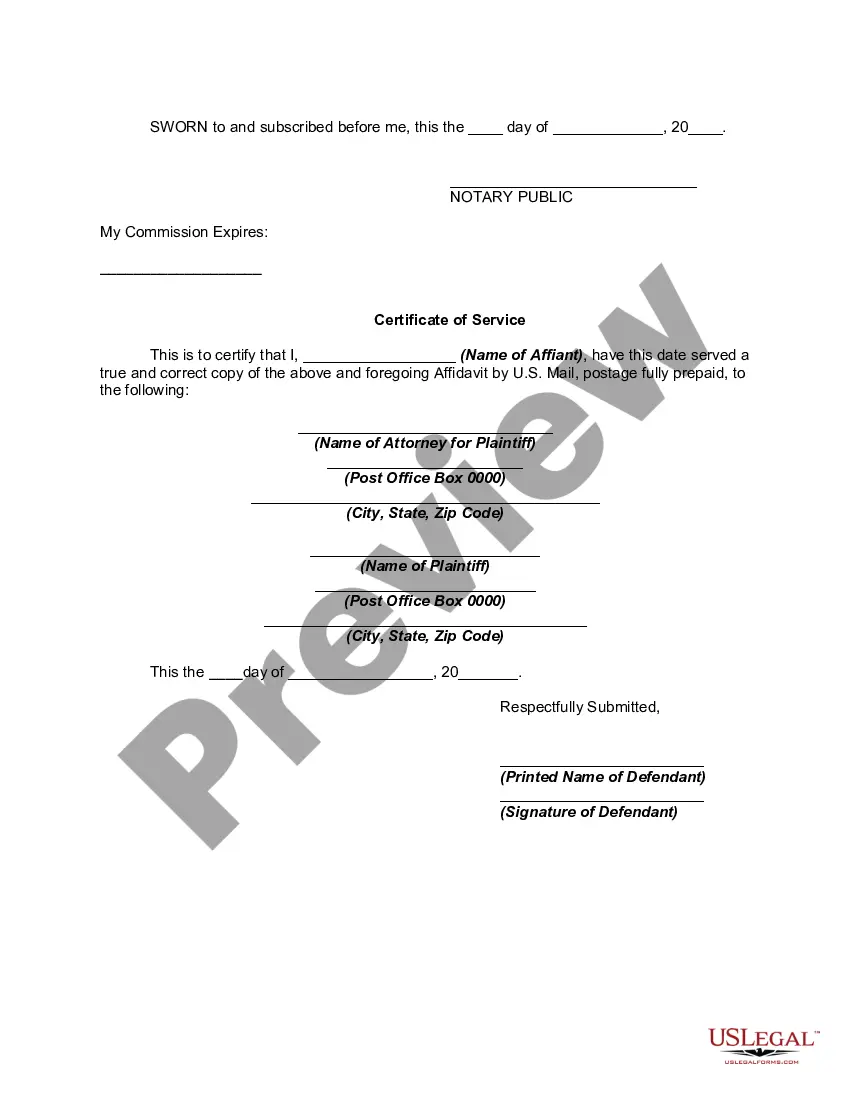
Instructions for filing a. Motion. in the Minnesota Court of Appeals. Step 1: Fill out the Motion form. Step 2: Fill out the Affidavit in Support of Motion form. Step 3: Serve your Motion and Affidavit on the opposing parties. Step 4: Proof of Service. Step 5: File the Motion, Affidavit, and Certificate of Service by Mail.
Instructions for filing a. Motion. in the Minnesota Court of Appeals. Step 1: Fill out the Motion form. Step 2: Fill out the Affidavit in Support of Motion form. Step 3: Serve your Motion and Affidavit on the opposing parties. Step 4: Proof of Service. Step 5: File the Motion, Affidavit, and Certificate of Service by Mail.
What's a Motion Hearing? A motion hearing in family court is different from a trial. In motion hearings, parties' attorneys submit documents to the court before the hearing explaining what their side wants and why it should be granted. Except in special circumstances, witnesses do not testify in motion hearings.
