Affidavit Motion Amend With Motion In Minnesota
Description

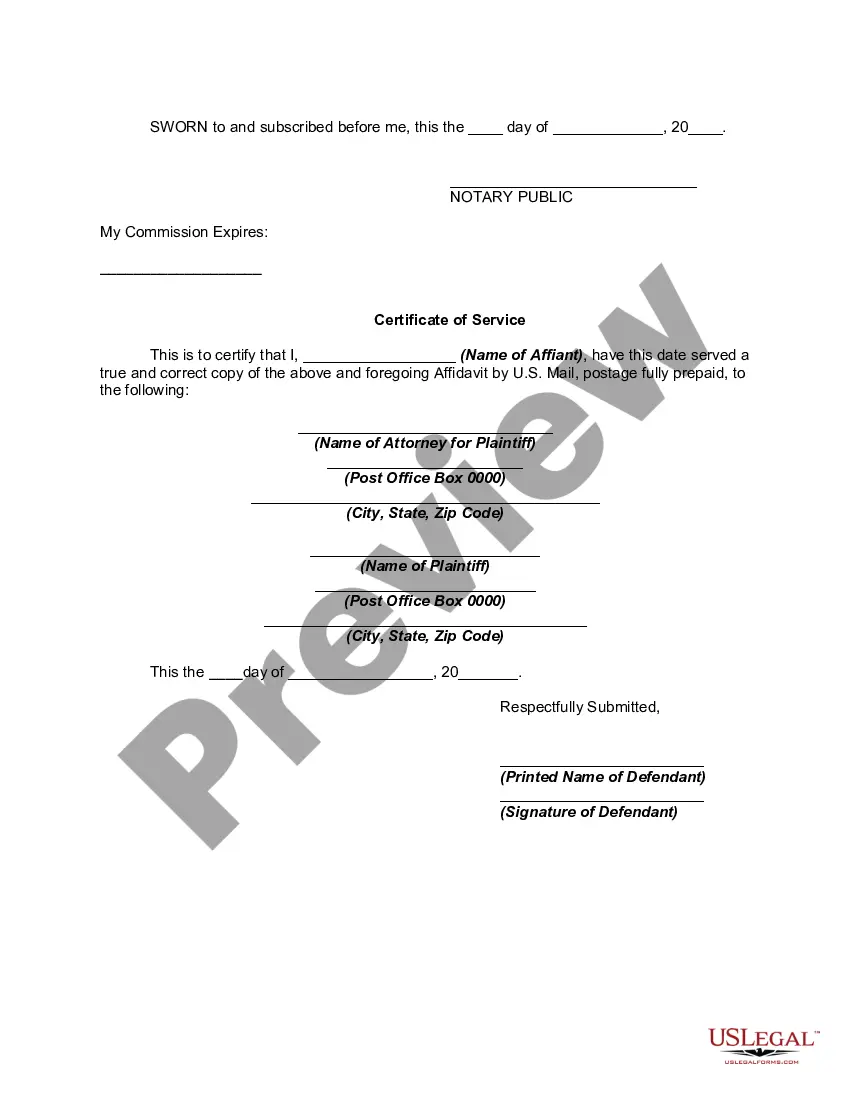



Get your form ready online
Our built-in tools help you complete, sign, share, and store your documents in one place.
Make edits, fill in missing information, and update formatting in US Legal Forms—just like you would in MS Word.
Download a copy, print it, send it by email, or mail it via USPS—whatever works best for your next step.
Sign and collect signatures with our SignNow integration. Send to multiple recipients, set reminders, and more. Go Premium to unlock E-Sign.
If this form requires notarization, complete it online through a secure video call—no need to meet a notary in person or wait for an appointment.
We protect your documents and personal data by following strict security and privacy standards.

Make edits, fill in missing information, and update formatting in US Legal Forms—just like you would in MS Word.

Download a copy, print it, send it by email, or mail it via USPS—whatever works best for your next step.

Sign and collect signatures with our SignNow integration. Send to multiple recipients, set reminders, and more. Go Premium to unlock E-Sign.

If this form requires notarization, complete it online through a secure video call—no need to meet a notary in person or wait for an appointment.

We protect your documents and personal data by following strict security and privacy standards.
Looking for another form?

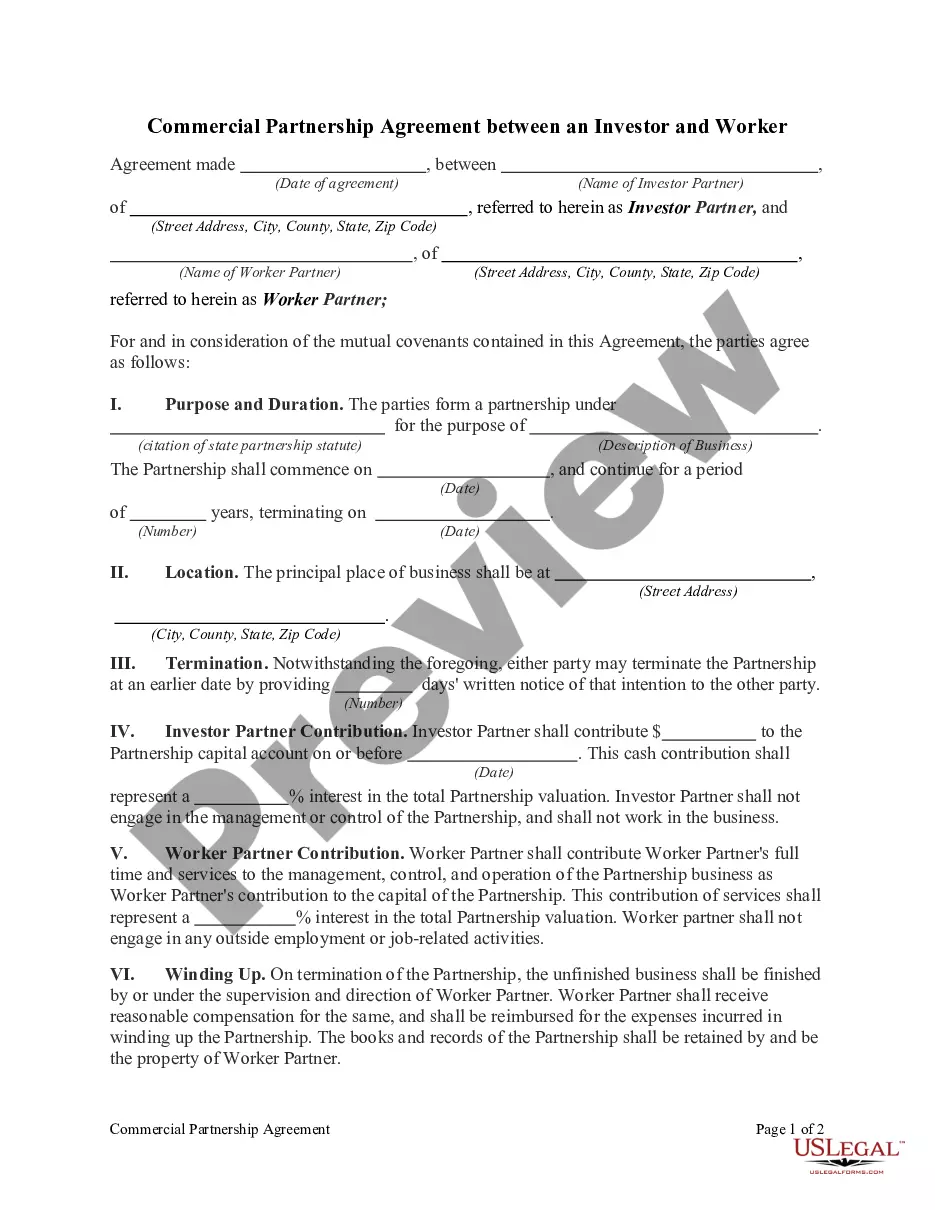
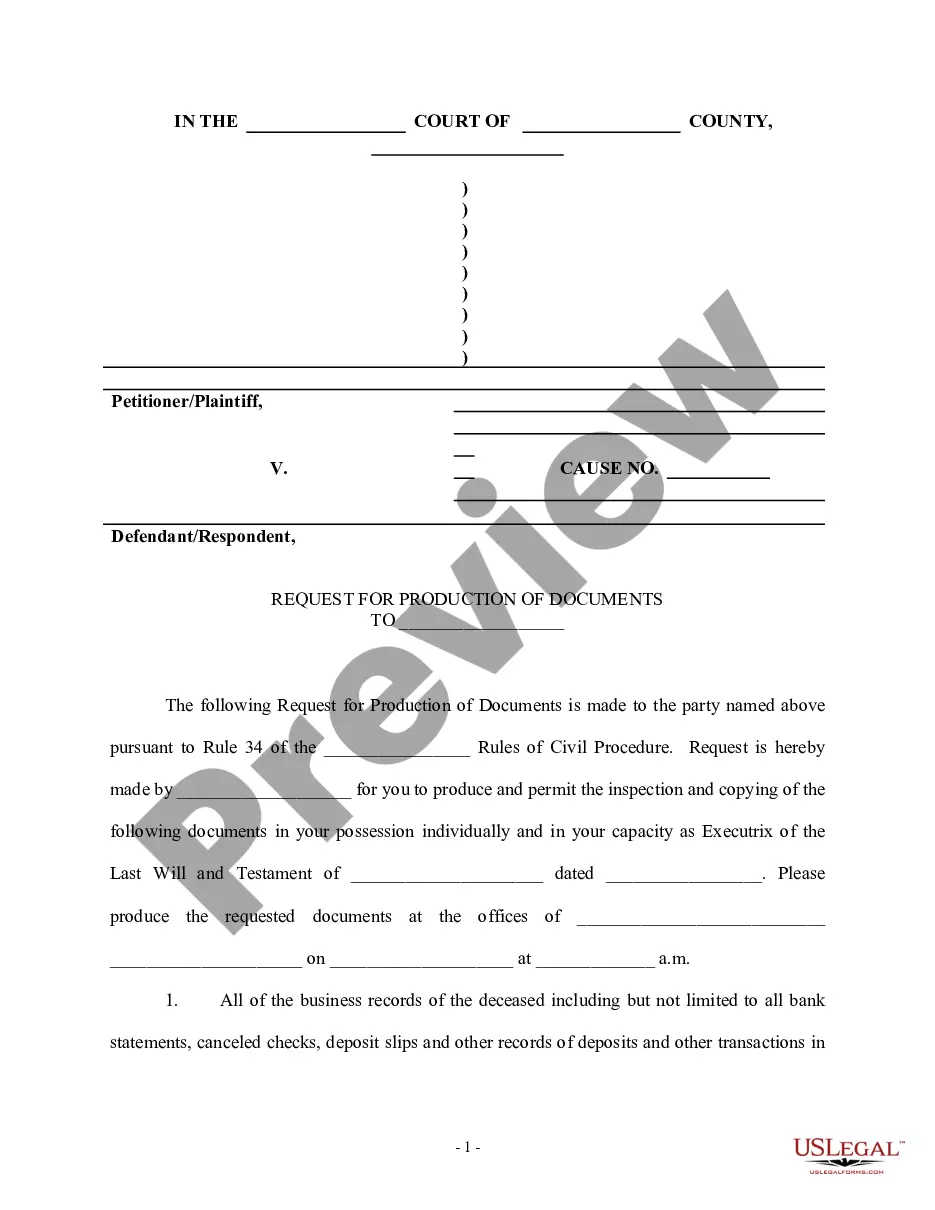

Form popularity
FAQ
The motion may include affidavits and documentary evidence in support of the contention that there is no genuine issue of material fact in dispute.
Drafting the Motion Check if the court has blank motion forms. Create your caption. Title your motion. Draft the introductory paragraph to the body of the motion. Request relief. Lay out the applicable facts. Make your legal argument. Insert a signature block.
A motion is an application to the court made by the prosecutor or defense attorney, requesting that the court make a decision on a certain issue before the trial begins. The motion can affect the trial, courtroom, defendants, evidence, or testimony.
except when made during a trial or hearingmust be in writing, unless the court permits the party to make the motion by other means. must state the grounds on which it is based and the relief or order sought. may be supported by affidavit.
Rule 12.03Other Issues The court must hear and determine any constitutional, evidentiary, procedural and other issues that may be resolved before trial and resolve other matters that promote a fair and expeditious trial.
A motion is a written request made to the court, asking the judge to issue an order. The motion must be supported by evidence.
except when made during a trial or hearingmust be in writing, unless the court permits the party to make the motion by other means. must state the grounds on which it is based and the relief or order sought. may be supported by affidavit.
Minnesota Statute Section 518.18 governs modifications of a prior custody order, and provides that the petitioning party must make a showing of the following: (1) the circumstances of the children or custodian have changed; (2) modification would serve the children's best interests; (3) the children's present ...
Rule 56. The court shall grant summary judgment if the movant shows that there is no genuine issue as to any material fact and the movant is entitled to judgment as a matter of law. The court shall state on the record or in a written decision the reasons for granting or denying the motion.
