Affidavit Motion Amend For Merit In Minnesota
Description

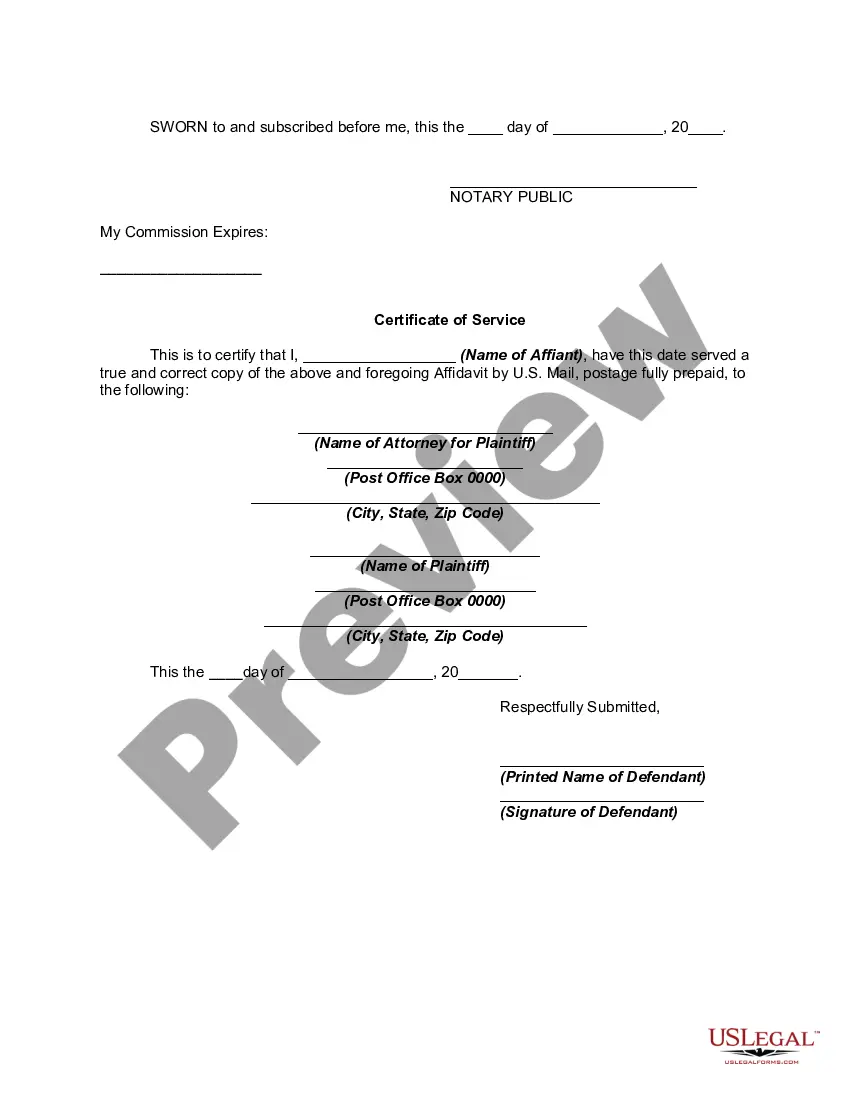



Get your form ready online
Our built-in tools help you complete, sign, share, and store your documents in one place.
Make edits, fill in missing information, and update formatting in US Legal Forms—just like you would in MS Word.
Download a copy, print it, send it by email, or mail it via USPS—whatever works best for your next step.
Sign and collect signatures with our SignNow integration. Send to multiple recipients, set reminders, and more. Go Premium to unlock E-Sign.
If this form requires notarization, complete it online through a secure video call—no need to meet a notary in person or wait for an appointment.
We protect your documents and personal data by following strict security and privacy standards.

Make edits, fill in missing information, and update formatting in US Legal Forms—just like you would in MS Word.

Download a copy, print it, send it by email, or mail it via USPS—whatever works best for your next step.

Sign and collect signatures with our SignNow integration. Send to multiple recipients, set reminders, and more. Go Premium to unlock E-Sign.

If this form requires notarization, complete it online through a secure video call—no need to meet a notary in person or wait for an appointment.

We protect your documents and personal data by following strict security and privacy standards.
Looking for another form?








Form popularity
FAQ
Rule 60. Clerical mistakes in judgments, orders, or other parts of the record and errors therein arising from oversight or omission may be corrected by the court at any time upon its own initiative or on the motion of any party and after such notice, if any, as the court orders.
Rule 69. In aid of the judgment or execution, the judgment creditor, or successor in interest when that interest appears of record, may obtain discovery from any person, including the judgment debtor, in the manner provided by these rules.
Rule 56. The court shall grant summary judgment if the movant shows that there is no genuine issue as to any material fact and the movant is entitled to judgment as a matter of law. The court shall state on the record or in a written decision the reasons for granting or denying the motion.
Rule 35. The order may be made only on motion for good cause shown and upon notice to the party or person to be examined and to all other parties and shall specify the time, place, manner, conditions, and scope of the examination and the person or persons by whom it is made.
For federal courts, Rule 56 of the Federal Rules of Civil Procedure governs summary judgment. Under Rule 56, in order to succeed in a motion for summary judgment, a movant must show: There is no genuine issue of material fact, and. The movant is entitled to judgment as a matter of law.
Rule 58. The judgment in all cases shall be entered and signed by the court administrator in the judgment roll; this entry constitutes the entry of the judgment; and the judgment is not effective before such entry.
The revision authorizes the court to require physical or mental examinations conducted by any person who is suitably licensed or certified. The rule was revised in 1988 by Congressional enactment to authorize mental examinations by licensed clinical psychologists.
Rule 35(b), as amended in 1987 as part of the Sentencing Reform Act of 1984, reflects a method by which the government may obtain valuable assistance from defendants in return for an agreement to file a motion to reduce the sentence, even if the reduction would reduce the sentence below the mandatory minimum sentence.
Rule 36. Copies of documents shall be served with the request, unless they have been or are otherwise furnished or made available for inspection and copying. The request may, without leave of court, be served after service of the summons and complaint.
