Affidavit Motion Amend With Motion In Dallas
Description

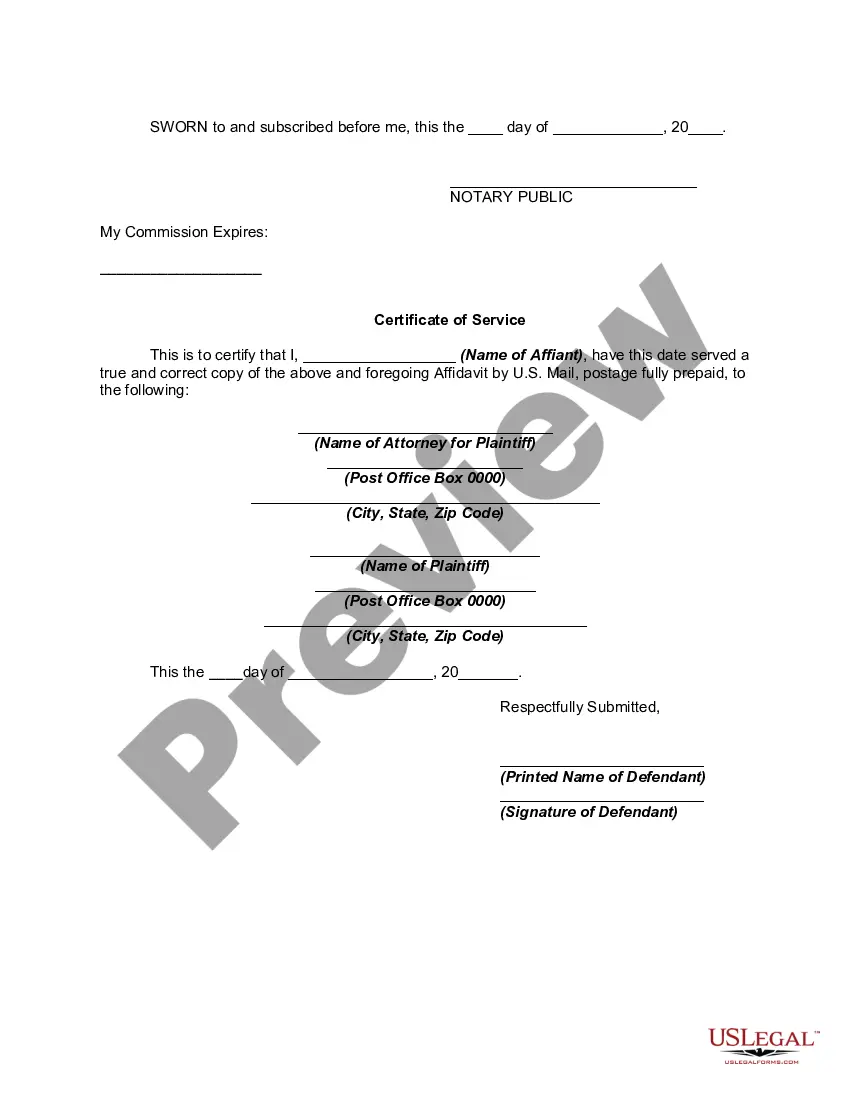



Get your form ready online
Our built-in tools help you complete, sign, share, and store your documents in one place.
Make edits, fill in missing information, and update formatting in US Legal Forms—just like you would in MS Word.
Download a copy, print it, send it by email, or mail it via USPS—whatever works best for your next step.
Sign and collect signatures with our SignNow integration. Send to multiple recipients, set reminders, and more. Go Premium to unlock E-Sign.
If this form requires notarization, complete it online through a secure video call—no need to meet a notary in person or wait for an appointment.
We protect your documents and personal data by following strict security and privacy standards.

Make edits, fill in missing information, and update formatting in US Legal Forms—just like you would in MS Word.

Download a copy, print it, send it by email, or mail it via USPS—whatever works best for your next step.

Sign and collect signatures with our SignNow integration. Send to multiple recipients, set reminders, and more. Go Premium to unlock E-Sign.

If this form requires notarization, complete it online through a secure video call—no need to meet a notary in person or wait for an appointment.

We protect your documents and personal data by following strict security and privacy standards.
Looking for another form?



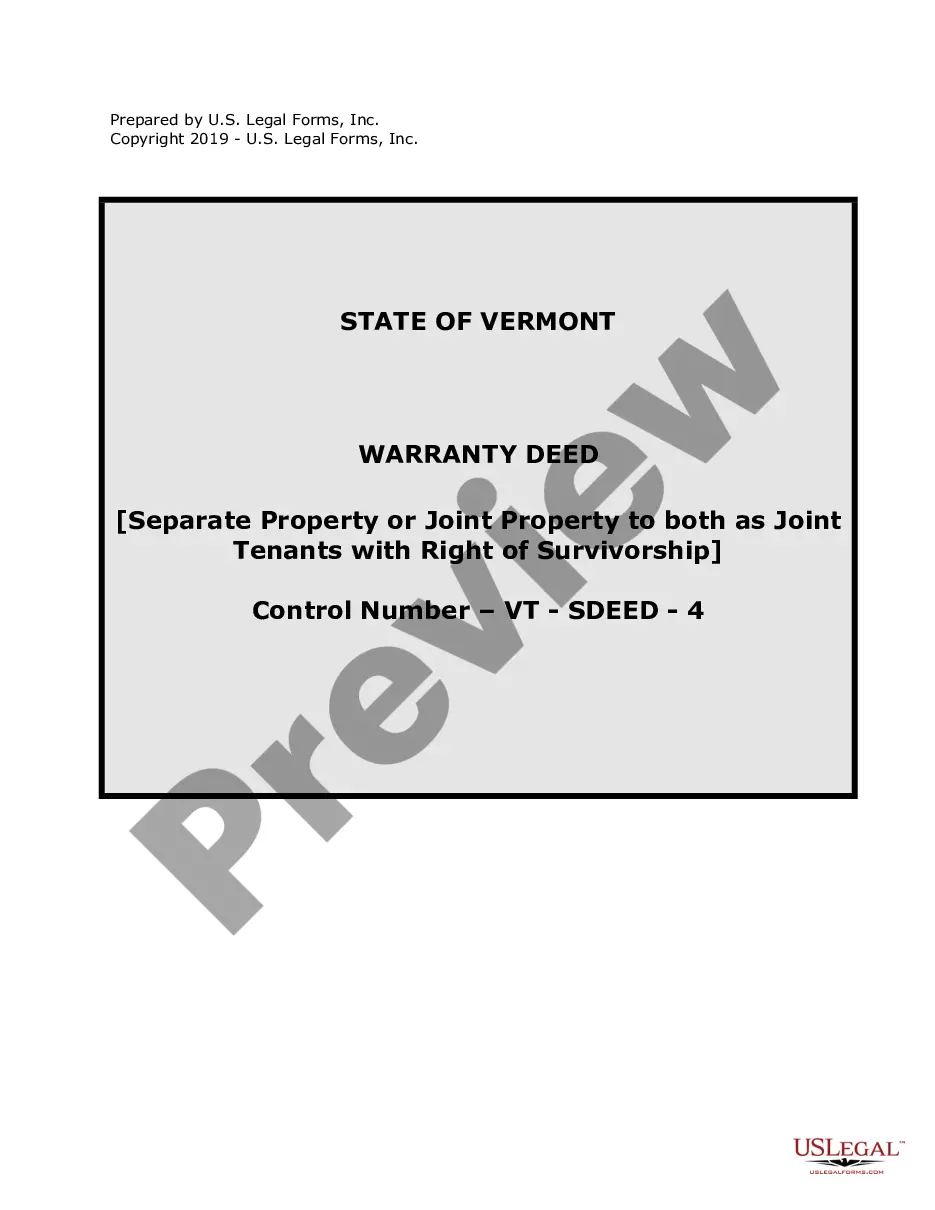

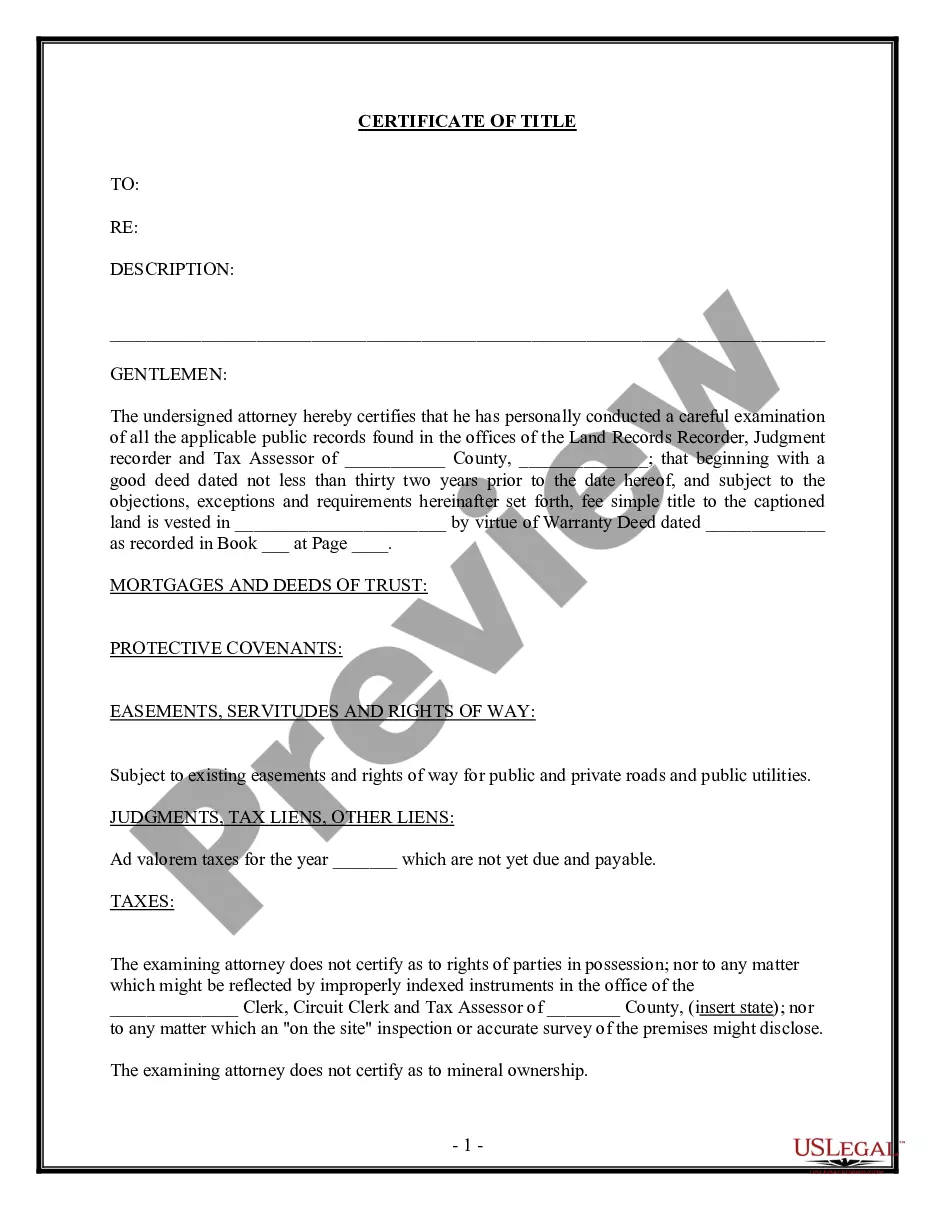

Form popularity
FAQ
1.08. The attorneys of record for the parties in any case within the categories of Local Rule 1.07 must notify the Judges of the respective Courts in which the earlier and later cases are assigned of the pendency of the later case.
For all summary judgment motions, the mean time to rule was 166 days, but the variation across courts was even more pronounced: from a low of 63 days on average in the fastest court to a high of 254 days on average in the slowest court.
If you want to file a motion, the process is generally something like this: You write your motion. You file your motion with the court clerk. The court clerk inserts the date and time your motion will be heard by the judge. You “serve” (mail) your motion to the other side.
A response and brief to an opposed motion must be filed within 21 days from the date the motion is filed. Time for Reply Briefs. Unless otherwise directed by the presiding judge, a party who has filed an opposed motion may file a reply brief within 14 days from the date the response is filed.
Rule 92. General Denial (1941) A general denial of matters pleaded by the adverse party which are not required to be denied under oath, shall be sufficient to put the same in issue.
In Texas, there is no specific time limit for a judge to sign a motion that they verbally granted at a hearing. However, it is generally expected that the judge will sign the order as soon as possible, usually within a few days or weeks after the hearing.
If the trial court declines to rule on a motion after repeated requests and despite explicit, not implicit, requests to rule, the trial court has refused to rule. Object to the court's refusal to rule – either in person or by objection filed with the clerk.
Raise your hand and make the following motion: "I move to amend the motion on the floor." This also requires a second. After the motion to amend is seconded, a majority vote is needed to decide whether the amendment is accepted. Then a vote is taken on the amended motion.
Motion to Amend Petition You may change your petition before trial by filing a changed petition with the court clerk. This is commonly known as amending a petition. This is done to add or take away something that has been put in the previous petition to the court.
