Motion To Strike Answer In Tarrant
Description

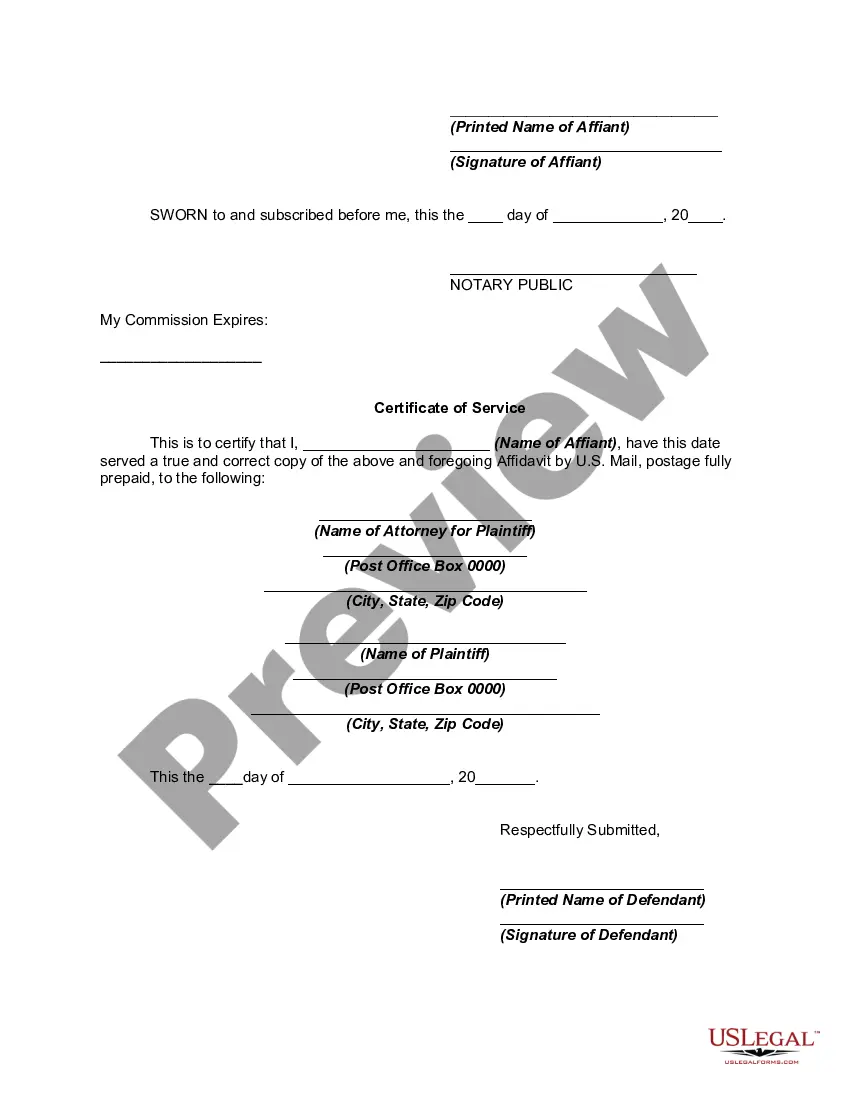




Get your form ready online
Our built-in tools help you complete, sign, share, and store your documents in one place.
Make edits, fill in missing information, and update formatting in US Legal Forms—just like you would in MS Word.
Download a copy, print it, send it by email, or mail it via USPS—whatever works best for your next step.
Sign and collect signatures with our SignNow integration. Send to multiple recipients, set reminders, and more. Go Premium to unlock E-Sign.
If this form requires notarization, complete it online through a secure video call—no need to meet a notary in person or wait for an appointment.
We protect your documents and personal data by following strict security and privacy standards.

Make edits, fill in missing information, and update formatting in US Legal Forms—just like you would in MS Word.

Download a copy, print it, send it by email, or mail it via USPS—whatever works best for your next step.

Sign and collect signatures with our SignNow integration. Send to multiple recipients, set reminders, and more. Go Premium to unlock E-Sign.

If this form requires notarization, complete it online through a secure video call—no need to meet a notary in person or wait for an appointment.

We protect your documents and personal data by following strict security and privacy standards.
Looking for another form?









Form popularity
FAQ
A response and brief to an opposed motion must be filed within 21 days from the date the motion is filed. Time for Reply Briefs. Unless otherwise directed by the presiding judge, a party who has filed an opposed motion may file a reply brief within 14 days from the date the response is filed.
As clerk of the three County Courts at Law, the County Clerk is responsible for the intake, processing and maintenance of civil cases with a jurisdictional limit up to $250,000; including debt, breach of contract, garnishments, temporary restraining orders, injunctions, automotive/personal injury cases and eminent ...
A case may be dismissed for want of prosecution on failure of any party seeking affirmative relief or his attorney to appear for any hearing or trial of which the party or attorney had notice, or on failure of the party or his attorney to request a hearing or take other action specified by the court within fifteen days ...
Motion to Strike This asks the court to take something out of the Complaint because it is not understandable, it is repetitive, it isn't legal, or it doesn't matter. This motion can help to limit what the case is about so you do not have to defend that part of the case.
If a motion to strike a complaint or cross-complaint, or portion thereof, is denied, the court shall allow the party filing the motion to strike to file an answer.
A party who abandons any part of his claim or defense, as contained in the pleadings, may have that fact entered of record, so as to show that the matters therein were not tried.
Simply put, dismissal for want of prosecution in a Texas divorce means the court noticed there had not been any activity on the case. Issuing a dismissal for want of prosecution, or DWOP, is the court's way of trying to clear out old cases that have been idle for months.
Primary tabs. A motion to strike is a request to a judge that part of a party's pleading or a piece of evidence be removed from the record.
