Motion To Strike Answer In San Jose
Description

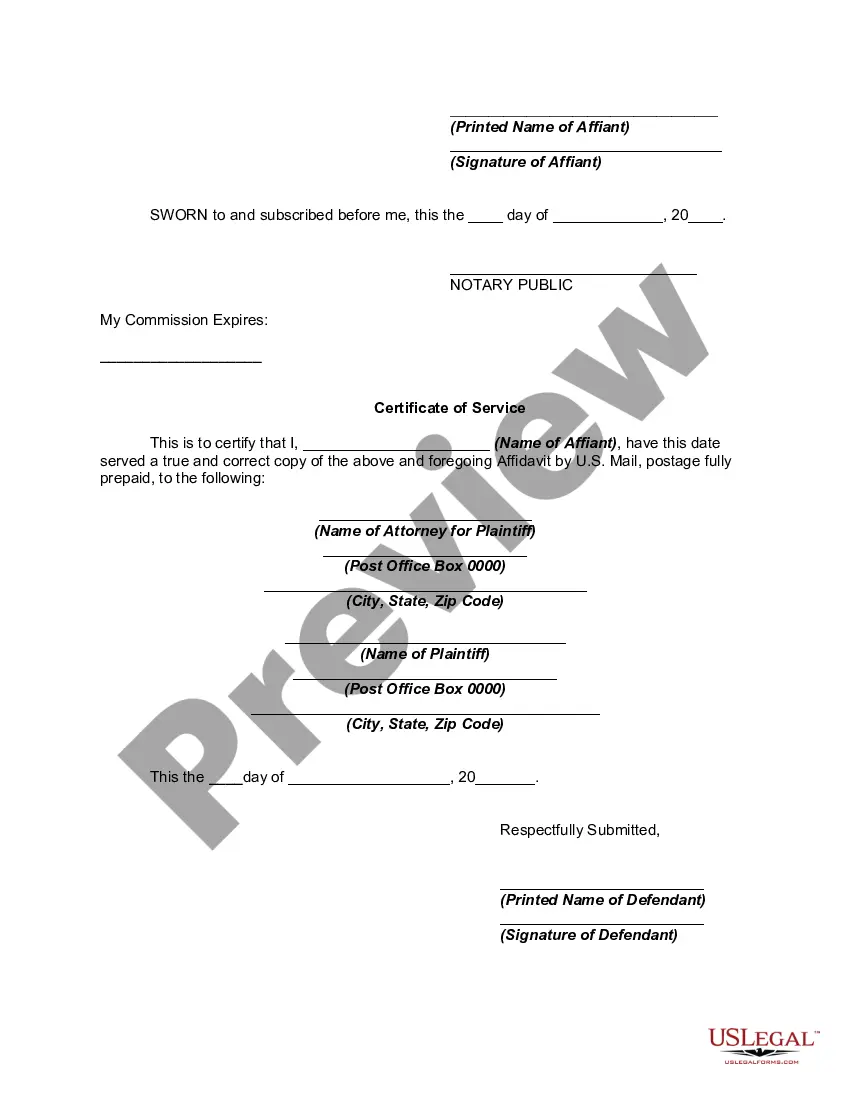




Get your form ready online
Our built-in tools help you complete, sign, share, and store your documents in one place.
Make edits, fill in missing information, and update formatting in US Legal Forms—just like you would in MS Word.
Download a copy, print it, send it by email, or mail it via USPS—whatever works best for your next step.
Sign and collect signatures with our SignNow integration. Send to multiple recipients, set reminders, and more. Go Premium to unlock E-Sign.
If this form requires notarization, complete it online through a secure video call—no need to meet a notary in person or wait for an appointment.
We protect your documents and personal data by following strict security and privacy standards.

Make edits, fill in missing information, and update formatting in US Legal Forms—just like you would in MS Word.

Download a copy, print it, send it by email, or mail it via USPS—whatever works best for your next step.

Sign and collect signatures with our SignNow integration. Send to multiple recipients, set reminders, and more. Go Premium to unlock E-Sign.

If this form requires notarization, complete it online through a secure video call—no need to meet a notary in person or wait for an appointment.

We protect your documents and personal data by following strict security and privacy standards.
Looking for another form?






Form popularity
FAQ
When you respond to a motion, be clear and direct about your legal position. Begin with an introduction that summarizes the nature of the motion and states your position. Develop key points to answer every argument your opponent made. Then, present your arguments in a logical sequence.
File a response to the motion to strike. In your response, you should argue that your answer to the defendant's motion for summary judgment was not too long and that it added new information to the case. You should also argue that the defendant's motion to strike should be denied.
A motion to strike material from a complaint must be filed before filing an answer. FRCP 12(f). Therefore, unless otherwise ordered by the court, the motion must be filed by the defendant within 21 days after being served with a summons and complaint, or within 60 days if service of the complaint was timely waived.
(2) The term "pleading" means a demurrer, answer, complaint, or cross-complaint. (b) (1) Any party, within the time allowed to respond to a pleading may serve and file a notice of motion to strike the whole or any part thereof, but this time limitation shall not apply to motions specified in subdivision (e).
A motion to strike material from a complaint must be filed before filing an answer. FRCP 12(f). Therefore, unless otherwise ordered by the court, the motion must be filed by the defendant within 21 days after being served with a summons and complaint, or within 60 days if service of the complaint was timely waived.
(a) Motion and opposition (2) A motion must be accompanied by a memorandum and, if it is based on matters outside the record, by declarations or other supporting evidence. (3) Any opposition must be served and filed within 15 days after the motion is filed.
Although most defenses to a complaint must be stated in the answer, a defendant can move to dismiss the complaint before filing an answer. Motions to dismiss typically make one or more of these arguments: The court lacks the authority or jurisdiction to decide the case or to compel a defendant to appear.
What happens next? If we filed the motion to strike in a trial court, then we will set the motion to be heard by a judge or magistrate, and be ruled upon. If we filed it in an appeals court, the appeals court will read the motion and offending document and will rule on it without hearing.
Opposition to Motion to Strike 9 Court Days Before the Hearing. All opposition papers must be filed and served at least 9 court days before the hearing. Late Papers. Face of The Complaint Or Matter Judicially Noticed. Civility Guidelines. Caption. Content. Fifteen (15) Page Limit on Briefs. Citations to Authority and Exhibits.
