Alimony Spouse Support Foreign In Queens
Description

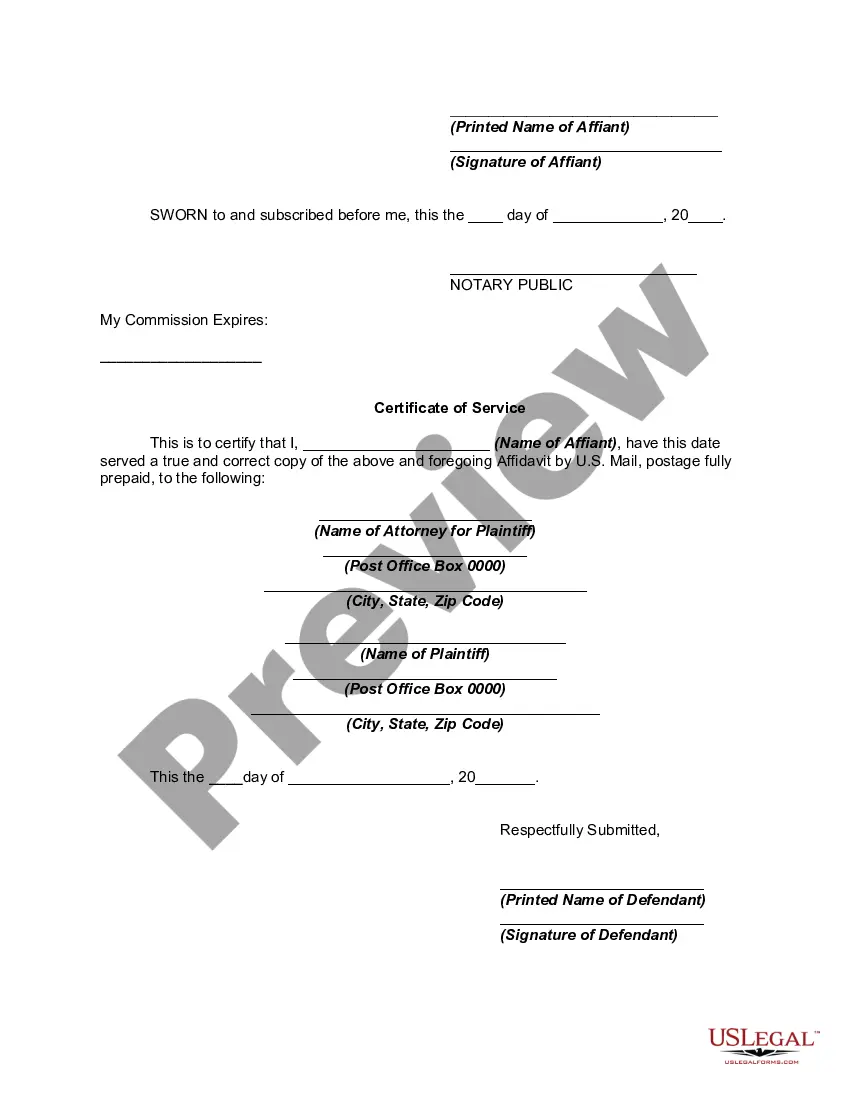




Get your form ready online
Our built-in tools help you complete, sign, share, and store your documents in one place.
Make edits, fill in missing information, and update formatting in US Legal Forms—just like you would in MS Word.
Download a copy, print it, send it by email, or mail it via USPS—whatever works best for your next step.
Sign and collect signatures with our SignNow integration. Send to multiple recipients, set reminders, and more. Go Premium to unlock E-Sign.
If this form requires notarization, complete it online through a secure video call—no need to meet a notary in person or wait for an appointment.
We protect your documents and personal data by following strict security and privacy standards.

Make edits, fill in missing information, and update formatting in US Legal Forms—just like you would in MS Word.

Download a copy, print it, send it by email, or mail it via USPS—whatever works best for your next step.

Sign and collect signatures with our SignNow integration. Send to multiple recipients, set reminders, and more. Go Premium to unlock E-Sign.

If this form requires notarization, complete it online through a secure video call—no need to meet a notary in person or wait for an appointment.

We protect your documents and personal data by following strict security and privacy standards.
Looking for another form?








Form popularity
FAQ
Typically, this obligation continues until your spouse becomes a U.S. citizen, accrues 40 qualifying work quarters in the U.S. (roughly 10 years), permanently departs the country, or passes away.
Someone doesn't have to be a US citizen. The qualifications to draw a spouse benefit in that scenario is age at least 62, have a spouse who draws SS and have been in the US LEGALLY for at least five years.
As with marriage, divorce has zero impact on whether a person who is in the nation illegally can be removed from the country. If you are in the US illegally, getting married even to a US citizen won't grant you legal status nor does it make you eligible for legal status. With divorce your circumstances don't change.
Even if a spouse immigrant is denied alimony in divorce proceeding, she or he can seek support as set out under form I-864. Further, the spouse immigrant has no obligation to find a job (which is a requirement for alimony in California) to obtain support under form I-864.
The citizen spouse must sign a contract (I-864) with the Federal government promising to support the non-citizen spouse financially. In most cases, even if the couple divorces, the citizen spouse must continue to support the non-citizen spouse.
Countries including Australia, Canada, Germany, Mexico, and the U.K. regularly work with U.S. courts to enforce alimony orders across international borders. However, enforcing an international alimony order may take more time than enforcing a domestic one.
In most cases, if a spouse can work and their former spouse cannot afford to provide spousal support, the court can deny alimony. It is pertinent to note that New York is a no-fault divorce state, meaning both parties could cite fault grounds, however, it will not affect whether a spouse is granted spousal maintenance.
The best way to avoid paying alimony in the event of a divorce is to sign a prenuptial or postnuptial agreement. These agreements, once seen as unromantic, now serve as a strategic way to protect individual assets in case of separation or the need to dissolve the marriage.
In New York, if a marriage lasts a long time and a spouse is old, ill or unable to support themselves, permanent alimony may be awarded.
Moving to another country does not automatically exempt you from paying alimony. Here are some key points to consider: Legal Obligations: If you have a court order for alimony, you are legally obligated to comply with it, regardless of your location.
