Alimony Spouse Support For Disabled In Massachusetts
Description

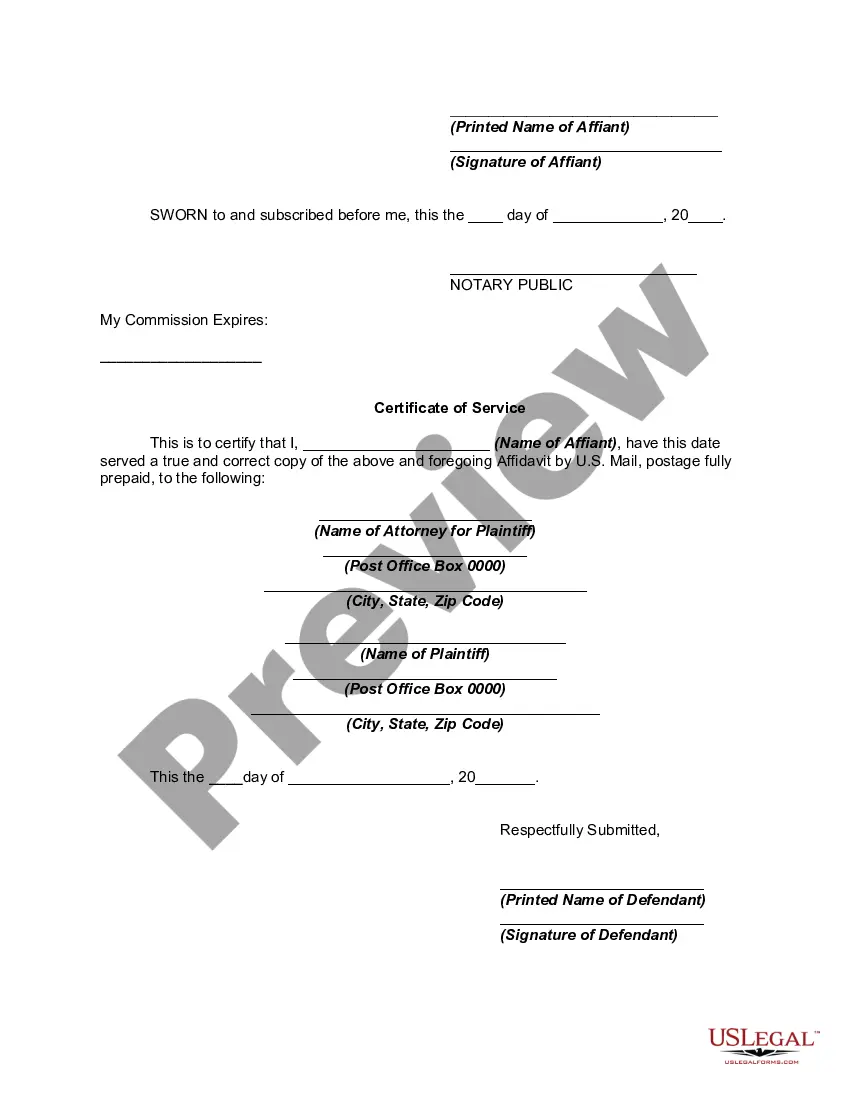




Get your form ready online
Our built-in tools help you complete, sign, share, and store your documents in one place.
Make edits, fill in missing information, and update formatting in US Legal Forms—just like you would in MS Word.
Download a copy, print it, send it by email, or mail it via USPS—whatever works best for your next step.
Sign and collect signatures with our SignNow integration. Send to multiple recipients, set reminders, and more. Go Premium to unlock E-Sign.
If this form requires notarization, complete it online through a secure video call—no need to meet a notary in person or wait for an appointment.
We protect your documents and personal data by following strict security and privacy standards.

Make edits, fill in missing information, and update formatting in US Legal Forms—just like you would in MS Word.

Download a copy, print it, send it by email, or mail it via USPS—whatever works best for your next step.

Sign and collect signatures with our SignNow integration. Send to multiple recipients, set reminders, and more. Go Premium to unlock E-Sign.

If this form requires notarization, complete it online through a secure video call—no need to meet a notary in person or wait for an appointment.

We protect your documents and personal data by following strict security and privacy standards.
Looking for another form?
Form popularity
FAQ
No. Alimony is unearned income, as it is not work done for, or intended to be done for, profit. Therefore, it will not impact an individuals eligibility for Social Security Disability Insurance benefits. However, it can impact eligibility for Supplemental Security Income.
SSI Benefits for Spouses But, there is no rule against both disabled spouses receiving SSI simultaneously. The maximum monthly SSI benefit for individuals in 2023 is $914. But, if both spouses receive SSI, Social Security pays them as a couple at a monthly rate of $1,371.
The short answer to your question is no, your ex-wife will not be entitled to any portion of your disability. SCOTUS cases Howell and Mansell govern. Your disability cannot be divided (similar to how a military retirement can be divided) - not even by agreement, although you should never agree to do so.
To qualify for alimony support, the receiving spouse must prove financial hardship and make a case for monetary assistance, whether temporary or long-term.
In short , yes you can divorce a disabled person. If disability is part of the basis for divorce then you'll have to prove why this is the basis for the marriage to end. Additional Note: I have approached this question from a secular, legal argument position.
Louis Harris & Associates, which has surveyed the relationships of people with disabilities for the National Organization on Disability since 1984, found that 13 percent of those it surveyed last year were divorced, compared with 11 percent in 1994 and 9 percent in 1984.
In short , yes you can divorce a disabled person. If disability is part of the basis for divorce then you'll have to prove why this is the basis for the marriage to end. Additional Note: I have approached this question from a secular, legal argument position.
Your spouse's mental condition will not prevent you from obtaining a divorce, but it can certainly slow down the process. If your spouse has a debilitating mental health issue, the judge may appoint a guardian ad litem to represent them to ensure that the ill spouse's legal interests are represented.