Motion To Strike Answer In Cuyahoga
Description

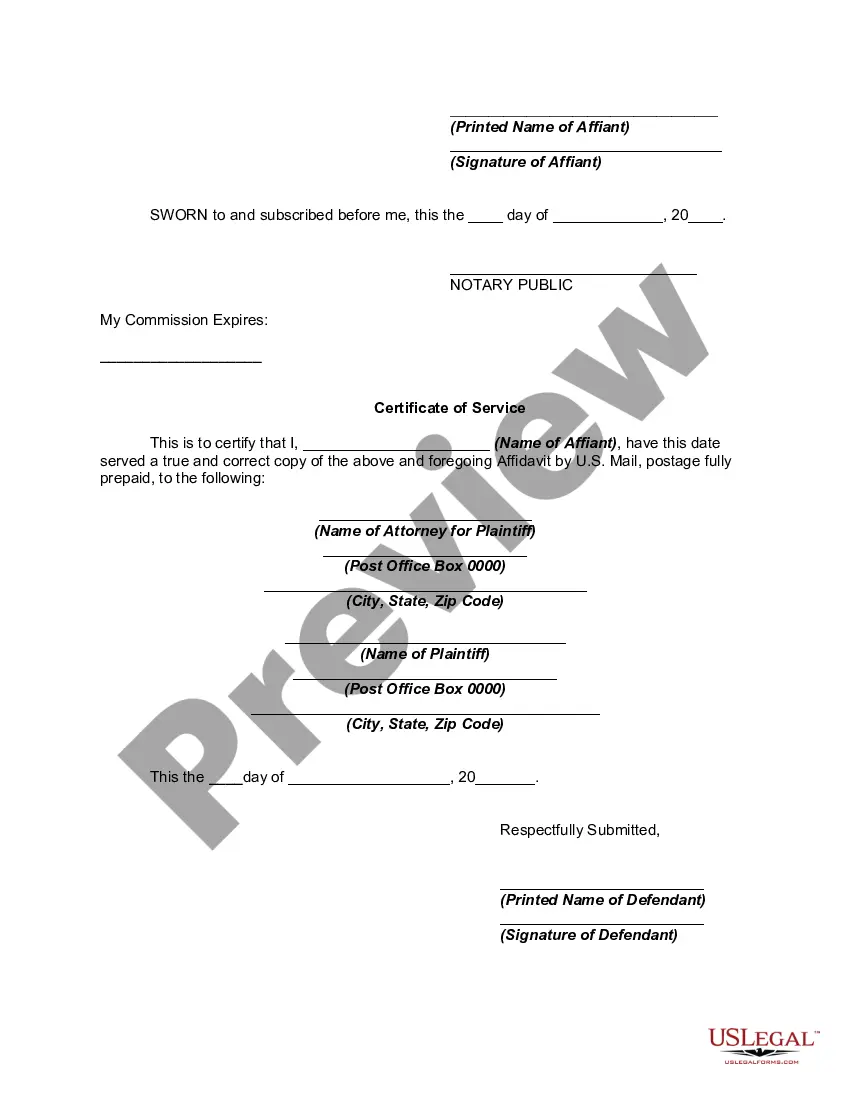




Get your form ready online
Our built-in tools help you complete, sign, share, and store your documents in one place.
Make edits, fill in missing information, and update formatting in US Legal Forms—just like you would in MS Word.
Download a copy, print it, send it by email, or mail it via USPS—whatever works best for your next step.
Sign and collect signatures with our SignNow integration. Send to multiple recipients, set reminders, and more. Go Premium to unlock E-Sign.
If this form requires notarization, complete it online through a secure video call—no need to meet a notary in person or wait for an appointment.
We protect your documents and personal data by following strict security and privacy standards.

Make edits, fill in missing information, and update formatting in US Legal Forms—just like you would in MS Word.

Download a copy, print it, send it by email, or mail it via USPS—whatever works best for your next step.

Sign and collect signatures with our SignNow integration. Send to multiple recipients, set reminders, and more. Go Premium to unlock E-Sign.

If this form requires notarization, complete it online through a secure video call—no need to meet a notary in person or wait for an appointment.

We protect your documents and personal data by following strict security and privacy standards.
Looking for another form?








Form popularity
FAQ
A motion to strike is a request to a judge that part of a party's pleading or a piece of evidence be removed from the record. During the pleading stage, this can be accomplished by a tool such as Rule 12(f) of the Federal Rules of Civil Procedure or a state equivalent.
A denial means that the court finds that the reasons given were not good enough to convince the court to suppress the evidence. The judge will consider the facts and circumstances of your case, review the applicable evidentiary laws, and hear arguments from both sides about the motion before making a decision.
If the defendant's motion is denied, the defendant has 10 days from the date of the denial (or of the mailing of the notice of denial) to obtain a review of the denial by another judge (one designated to hear small claims court appeals).
Motion to Strike This asks the court to take something out of the Complaint because it is not understandable, it is repetitive, it isn't legal, or it doesn't matter. This motion can help to limit what the case is about so you do not have to defend that part of the case.
Be sure that you get the right Court. Take the Complaint with you to the Clerk's office and show it to the Clerk to confirm that you are in the right office. Then give the Clerk both your original Answer and your photocopy. Ask the Clerk to file-stamp the original and the copy and to give you your copy back.
If a motion to strike a complaint or cross-complaint, or portion thereof, is denied, the court shall allow the party filing the motion to strike to file an answer.
If the court denies the motion to dismiss, the defendant(s) must serve their answer within 14 days after notice of the court's action (Ohio Civ. R.
If the Motion is Denied. The material is not stricken from the pleading. If a responsive pleading is allowed, the defendant must serve its responsive pleading (typically an answer) within 14 days after notice of the court's denial of the motion, unless another time is set by the court.
Q5: What Happens if a Motion to Strike is Granted? If granted, the court will order the removal of the specified parts from the pleading. This can lead to a narrowing of the issues in the case or, in some instances, weaken the opposing party's position significantly.
