Alimony Spousal Support Forms California In Cook
Description

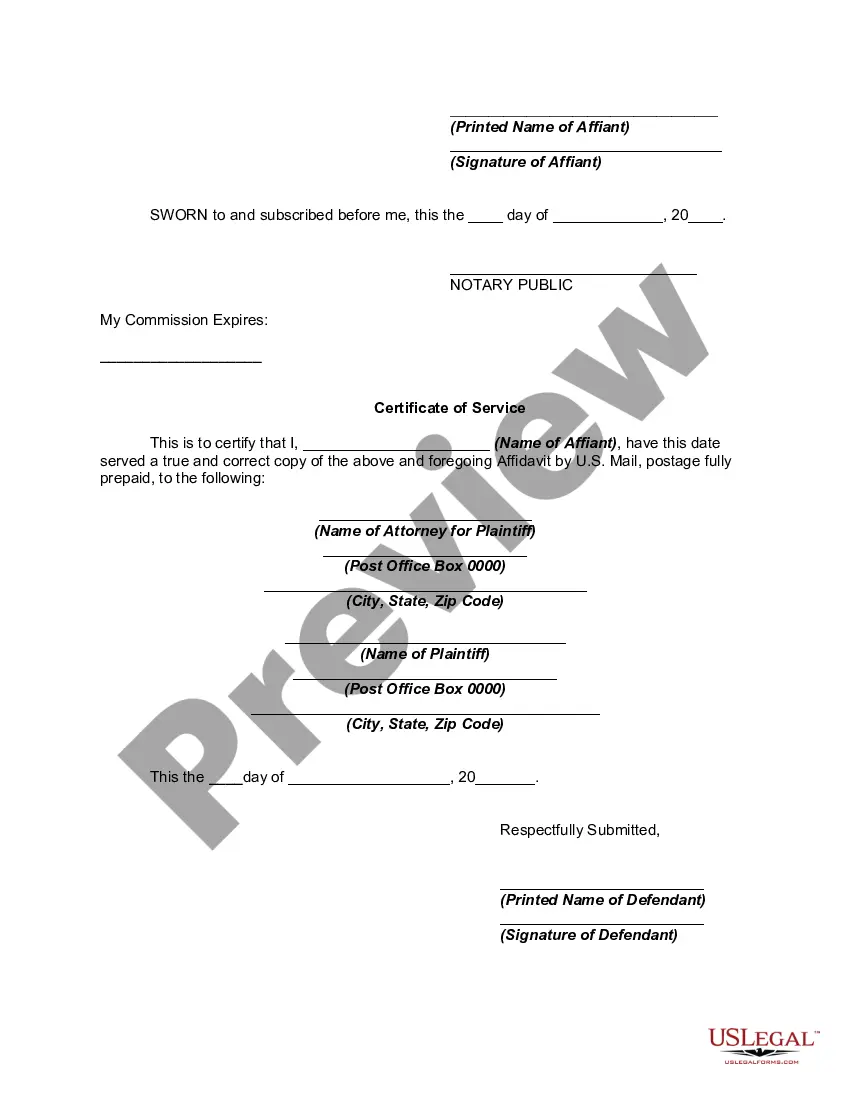




Get your form ready online
Our built-in tools help you complete, sign, share, and store your documents in one place.
Make edits, fill in missing information, and update formatting in US Legal Forms—just like you would in MS Word.
Download a copy, print it, send it by email, or mail it via USPS—whatever works best for your next step.
Sign and collect signatures with our SignNow integration. Send to multiple recipients, set reminders, and more. Go Premium to unlock E-Sign.
If this form requires notarization, complete it online through a secure video call—no need to meet a notary in person or wait for an appointment.
We protect your documents and personal data by following strict security and privacy standards.

Make edits, fill in missing information, and update formatting in US Legal Forms—just like you would in MS Word.

Download a copy, print it, send it by email, or mail it via USPS—whatever works best for your next step.

Sign and collect signatures with our SignNow integration. Send to multiple recipients, set reminders, and more. Go Premium to unlock E-Sign.

If this form requires notarization, complete it online through a secure video call—no need to meet a notary in person or wait for an appointment.

We protect your documents and personal data by following strict security and privacy standards.
Looking for another form?






Form popularity
FAQ
Factors Considered In A California Alimony Judgement Standard of Living: Each spouse's needs are evaluated based on the standard of living they maintained during the marriage. Earning Capacity: The judge assesses the ability of each spouse to earn enough to sustain that standard of living.
There is no minimum marriage length to qualify for alimony, but the easier it is for the lower-earning spouse to become self-sufficient, the less support they may receive.
Specifically in California, disqualification might result from several key factors. One such factor is a significant change in the financial status of the recipient spouse, such as acquiring a new job or receiving an inheritance, which could render them financially independent and no longer in need of support.
Spousal or Domestic Partner Support Declaration Attachment (FL-157) Explain the facts that support your request for a spousal or domestic partner support judgment. This is always attached to another form, like Declaration for Default or Uncontested Judgment (Form FL-170)
FL 157 refers to California Family Law Form 157, which is a form used in family law cases in the state of California. The purpose of FL 157 is to provide a summary of the assets, debts, income, and expenses of the parties involved in a divorce or legal separation case.
Spousal support, also known as alimony, is the term used for payments from one spouse to another after a divorce has been filed. It is broken down into two types: temporary and permanent. These terms are legal terms and not to be confused with the common definitions of temporary and permanent.
California doesn't use a "calculator" for determining the amount of long-term spousal support. Instead, judges must decide how much to award after they've considered all of the following circumstances: each spouse's needs, based on the standard of living they had during the marriage.
